

What are small dog breeds?
Small dogs are popular because they need less indoor space than large breeds. They also travel more easily, eat smaller food portions, and suit many city households. The American Veterinary Medical Association pet ownership statistics show that dog ownership remains common in U.S. households, which makes size, housing, grooming, and long-term care important for new owners.
Small dog breeds are compact companion, toy, terrier, hound, and utility dogs that fit many apartments, small homes, and urban routines. Many small breeds weigh under 25 pounds, but official breed standards vary by breed.
A small dog is not automatically easy. Grooming, barking, dental care, heat risk, exercise needs, and separation behavior vary by breed. A Pug and a Papillon may both fit an apartment, but they suit different owners.
For wider breed research, browse the dog breeds section before choosing a puppy or rescue dog.
Which small dog breed fits your lifestyle?
The best small dog breed depends on 6 factors: adult size, energy level, grooming demand, barking tendency, health risk, and household type. Maltese, Shih Tzu, Pug, Havanese, Chihuahua, and Bichon Frisé suit many apartment homes. Papillon, Beagle, Basenji, Toy Poodle, and Miniature Schnauzer suit more active owners.
Use this guide as a breed-fit filter. Individual dogs still vary by genetics, training, age, breeder ethics, rescue history, and daily routine.
Small dog breed comparison table
This table compares 20 small dog breeds by size, coat care, energy, and best lifestyle match. It helps you shortlist breeds before reading each profile.
| Small dog breed | Typical adult size | Grooming level | Energy level | Best lifestyle fit | Main care warning |
| Chihuahua | Up to 6 lb | Low to medium | Medium | Apartments, singles, seniors | Dental care and fragility |
| Yorkshire Terrier | Up to 7 lb | High | Medium | City homes, attentive owners | Coat mats and barking |
| Pomeranian | 3 to 7 lb | Medium to high | Medium | Apartments, older families | Double-coat care |
| Shih Tzu | 9 to 16 lb | High | Low to medium | Seniors, families, indoor homes | Heat and eye care |
| Maltese | Under 7 lb | High | Medium | Apartments, allergy-sensitive homes | Coat and dental care |
| Miniature Schnauzer | 11 to 20 lb | Medium to high | Medium | Families, active apartments | Beard, ears, teeth |
| Pug | 14 to 18 lb | Low | Low to medium | Calm homes, apartments | Heat and breathing risk |
| Papillon | 5 to 10 lb | Medium | Medium to high | Active owners, training homes | Delicate frame |
| Havanese | 7 to 13 lb | Medium to high | Medium | Families, apartments | Separation stress |
| Basenji | 22 to 24 lb | Low | High | Active owners | Escape risk and prey drive |
| West Highland White Terrier | 15 to 20 lb | Medium | Medium | Active families | Skin and terrier instincts |
| Beagle | Under 20 lb or 20 to 30 lb by variety | Low | High | Families, walkers | Scent chasing and food drive |
| Norfolk Terrier | 11 to 12 lb | Medium | Medium | Terrier lovers, small homes | Digging and prey drive |
| Pekingese | Up to 14 lb | High | Low | Calm homes, seniors | Heat and face-fold care |
| Miniature Pinscher | 8 to 10 lb | Low | High | Active apartments | Escape behavior |
| Affenpinscher | 7 to 10 lb | Medium | Medium | Adults, small homes | Strong personality |
| Bichon Frisé | 12 to 18 lb | High | Medium | Families, allergy-sensitive homes | Professional grooming |
| Miniature Dachshund | Up to 11 lb | Low to medium | Medium | Apartments, calm families | Back protection |
| French Bulldog | Under 28 lb | Low | Low to medium | City apartments | Heat and breathing risk |
| Toy Poodle | 4 to 6 lb | High | Medium to high | Training-focused homes | Coat care and mental work |
The table shows one core point: small size does not mean simple care. Some small dogs need more grooming, training, and health monitoring than larger short-coated breeds.
Which small dog breeds are best for apartments?
The best small dog breeds for apartments are Maltese, Shih Tzu, Pug, Havanese, Chihuahua, Bichon Frisé, French Bulldog, and Toy Poodle. These breeds fit small spaces because they have compact bodies, moderate space needs, and strong companion behavior.
Apartment owners still need barking control, enrichment, and leash manners. A small dog can create noise complaints when doorbells, hallway sounds, or separation stress trigger repeated barking.
Strong apartment choices include:
- Maltese: compact, affectionate, and low-shedding.
- Shih Tzu: indoor-focused and calm with regular grooming.
- Pug: low exercise demand but heat-sensitive.
- Havanese: social, playful, and people-focused.
- Bichon Frisé: cheerful and low-shedding with professional grooming.
- French Bulldog: compact and calm in many homes but heat-sensitive.
- Chihuahua: tiny and portable with early socialization.
- Toy Poodle: intelligent and compact with high training ability.
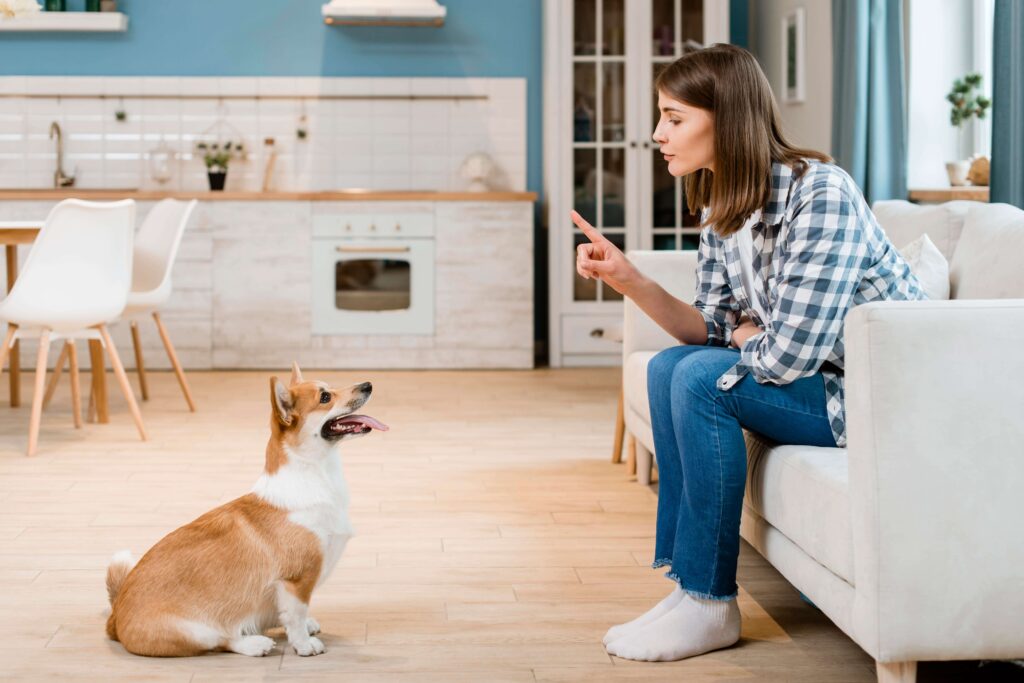
Apartment routines improve faster when owners use force-free kennel training for hallway sounds, short departures, and calm resting habits.
Which small dog breeds are best for families?
The best small dog breeds for families are Havanese, Bichon Frisé, Beagle, Miniature Schnauzer, West Highland White Terrier, Toy Poodle, and Shih Tzu. These breeds often enjoy family contact, play, and supervised interaction.
Families with young children need a dog that tolerates routine handling without rough play. Small dogs can be injured by drops, grabbing, and fast child movement. Adult supervision matters more than breed reputation.
Havanese and Bichon Frisé often suit gentle children. Beagles suit families that walk daily and manage food motivation. Miniature Schnauzers fit families that want a more alert, trainable small dog.
Which small dog breeds are best for seniors?
The best small dog breeds for seniors are Shih Tzu, Maltese, Pekingese, Pug, Havanese, Chihuahua, and Bichon Frisé. These dogs fit slower household routines when grooming, heat safety, and veterinary care are managed.
Senior owners often benefit from dogs with moderate exercise needs and steady companion behavior. A breed with high prey drive, intense barking, or escape habits can create daily stress.
Shih Tzu and Maltese need coat care. Pugs and Pekingese need heat protection. Havanese need companionship and may not suit long hours alone.
Which small dog breeds are better for allergy-sensitive homes?
Bichon Frisé, Maltese, Miniature Schnauzer, Havanese, Yorkshire Terrier, and Toy Poodle are common lower-shedding small dog breeds, but no dog is fully hypoallergenic. The AKC hypoallergenic dog guidance states that no dog breed is 100 percent hypoallergenic.
Allergy-sensitive homes need realistic wording. “Low-shedding” is safer than “hypoallergenic.” Dog allergens can come from dander, saliva, and skin particles, not only loose hair.
Before choosing a breed, spend time with adult dogs from that breed. Allergy response can change from one dog to another.
Which small dog breeds need extra dental care?
Most small dog breeds need structured dental care because periodontal disease is common in dogs and often more severe in smaller breeds. Cornell University College of Veterinary Medicine reports that 80 to 90 percent of dogs over age 3 have some component of periodontal disease.
High-risk small breeds include Chihuahua, Yorkshire Terrier, Pomeranian, Maltese, Pug, Dachshund, and Miniature Schnauzer. Small mouths, crowded teeth, retained baby teeth, and long lifespans increase dental exposure over time.
Daily tooth brushing, veterinary dental exams, safe dental chews, and early plaque control protect comfort and long-term health. Owners can also review periodontal disease in dogs to understand gum inflammation, plaque buildup, and behavior changes linked with oral pain.
20 small dog breed profiles
1. Chihuahua

The Chihuahua dog breed fits apartment owners who want a tiny, alert, loyal companion. The AKC Chihuahua profile lists the breed at 5 to 8 inches tall and not exceeding 6 pounds.
Chihuahuas bond strongly with their people. Many react quickly to strangers, door sounds, and unfamiliar dogs. Early socialization reduces defensive barking and fear-based behavior.
Chihuahuas suit adults, singles, seniors, and careful households. They are less suitable for rough child play because their frame is delicate. Dental care, warm clothing in cold weather, and safe handling matter.
2. Yorkshire Terrier
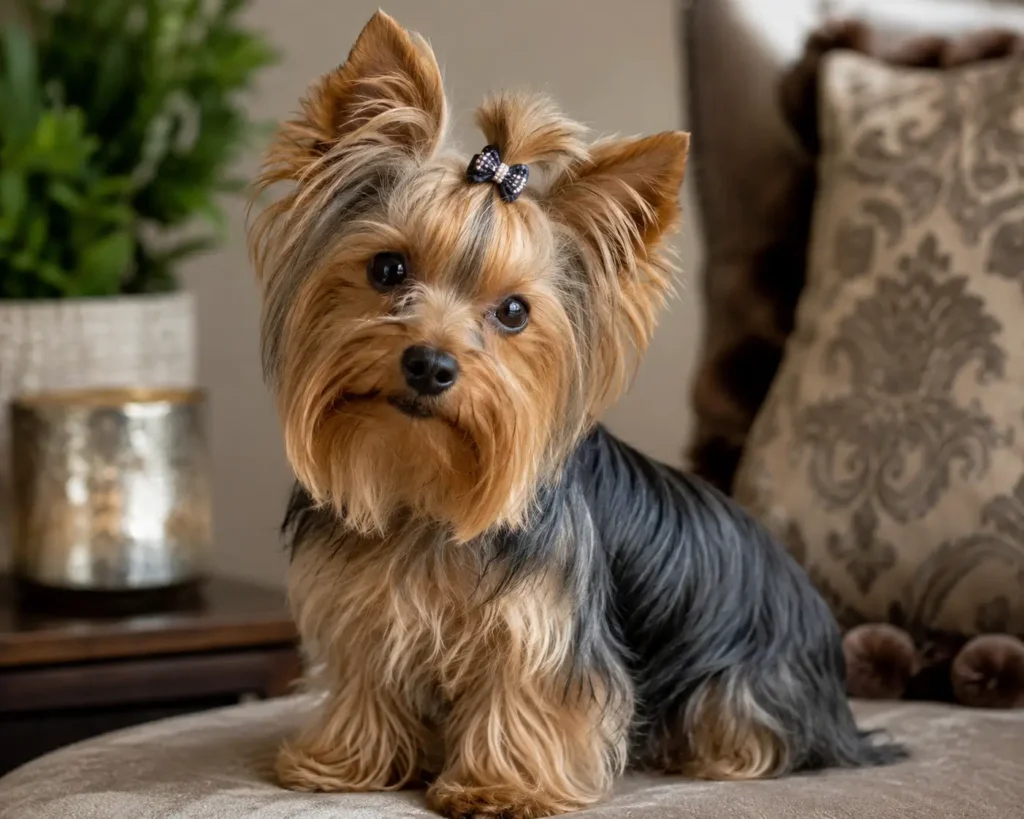
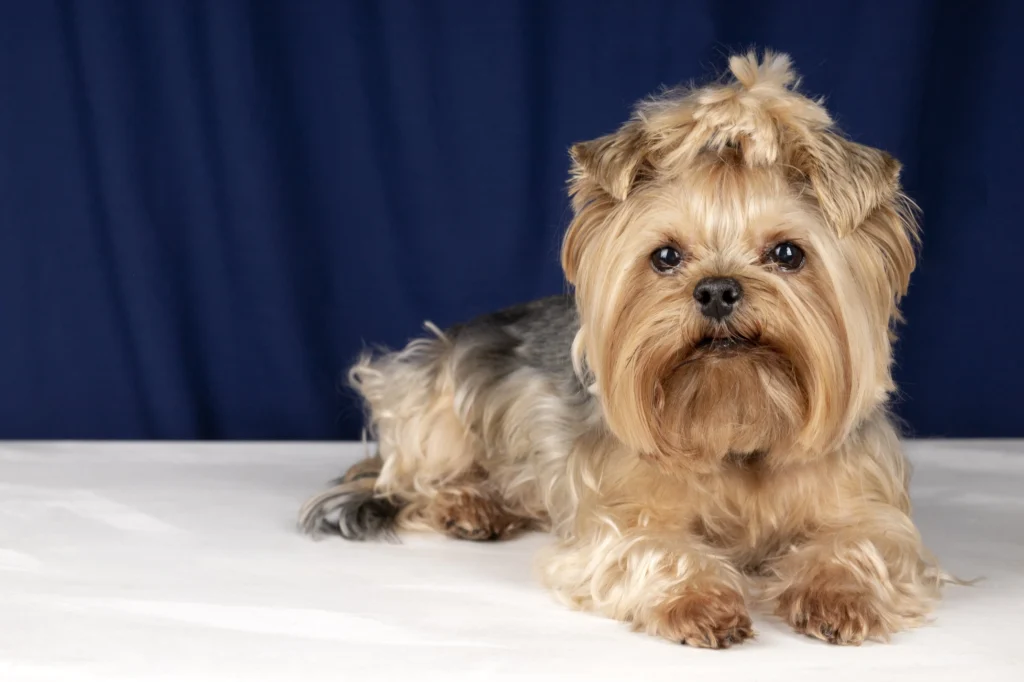
The Yorkshire Terrier fits city owners who want a tiny dog with confidence, alertness, and a silky coat. Yorkies usually weigh up to 7 pounds and need regular brushing or a shorter pet trim.
Yorkies can be affectionate and bold. Many bark at noises, visitors, and other dogs. Training matters because their small size does not reduce their terrier confidence.
This breed suits attentive owners who enjoy grooming. Dental care is important because toy breeds often develop plaque and gum disease early.
3. Pomeranian
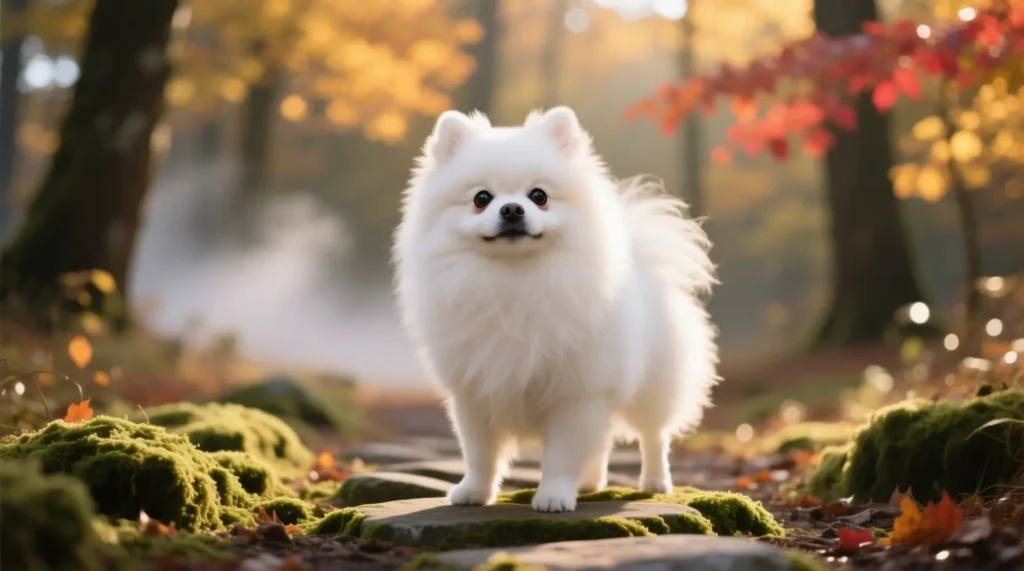
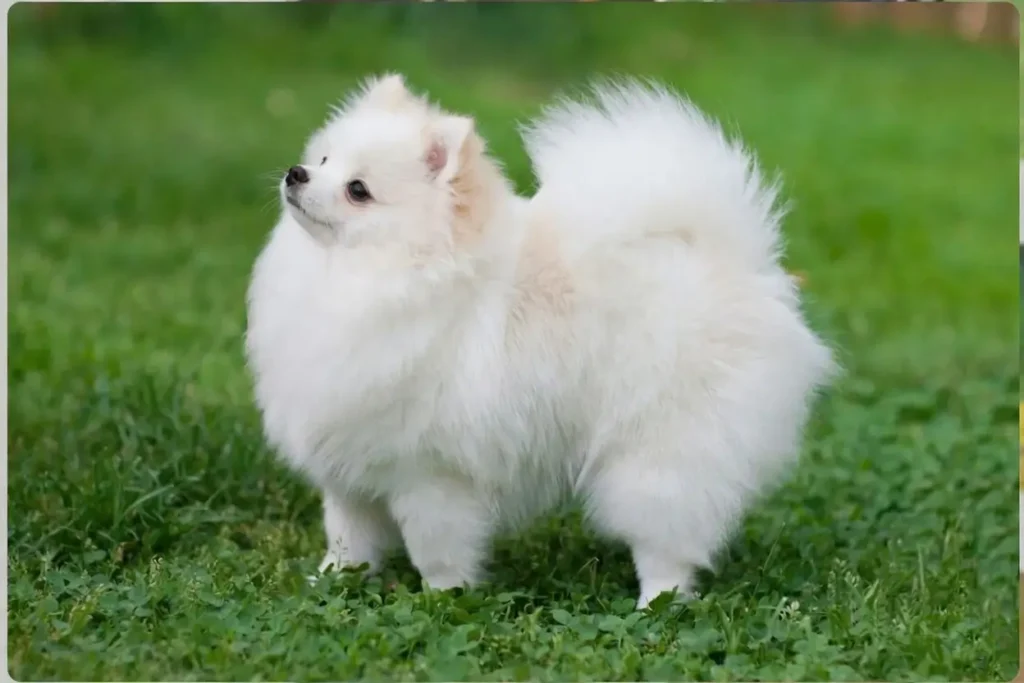
The Pomeranian dog breed suits owners who can manage brushing, barking, and high alertness. Pomeranians usually weigh 3 to 7 pounds and have a dense double coat.
This breed looks soft and decorative, but the temperament is bright and watchful. Pomeranians often act larger than their size. They need short play sessions, leash manners, and structured social exposure.
The double coat needs brushing down to the skin. Mats often form behind the ears, under the legs, around the collar, and near the tail base.
4. Shih Tzu
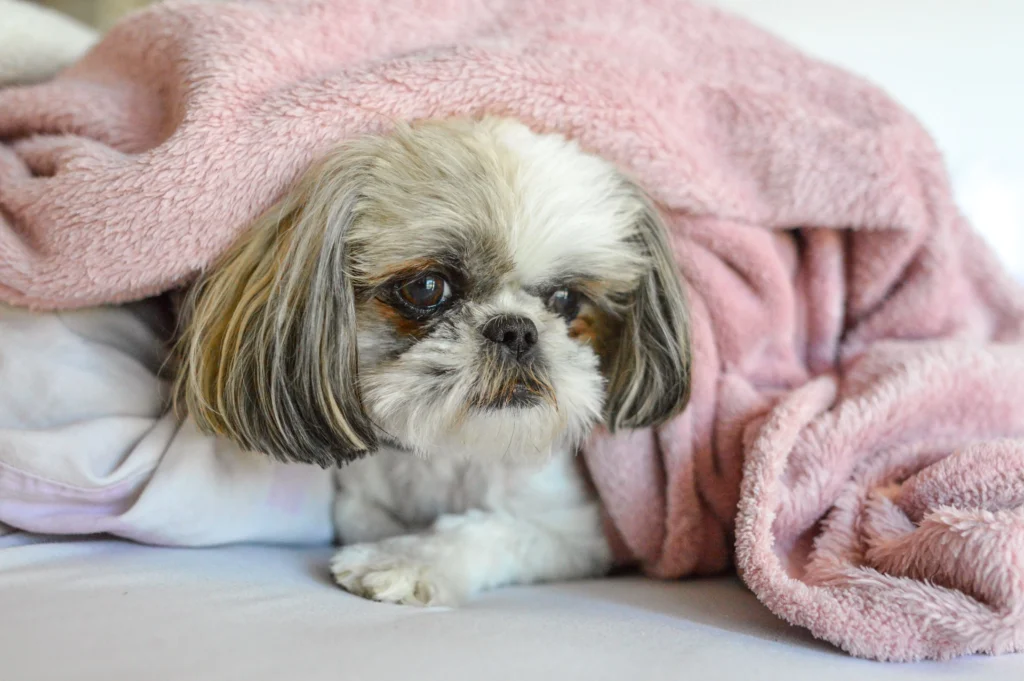
The Shih Tzu dog breed fits indoor homes where owners can manage coat, eye, and heat care. Shih Tzus usually weigh 9 to 16 pounds.
The breed has a short muzzle, large eyes, and a long coat that can be kept full or clipped short. Heat, humidity, and hard exercise can create risk because the breed is brachycephalic.
A Shih Tzu works well in calm homes, senior homes, and gentle family settings. The breed needs consistent eye cleaning, brushing, and temperature control.
5. Maltese
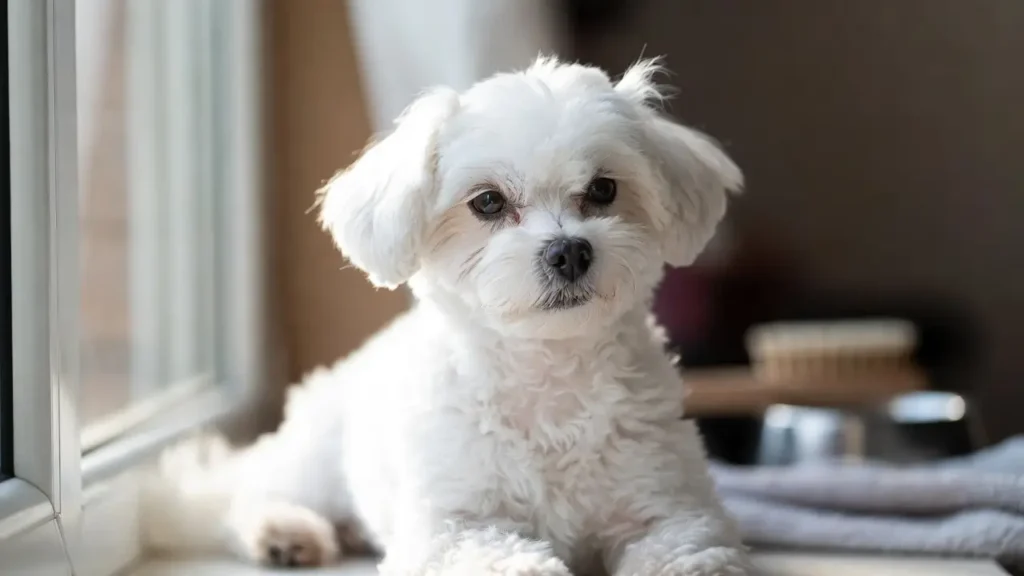
The Maltese dog breed is a tiny, affectionate, low-shedding companion for apartments and close-contact homes. Maltese dogs usually weigh under 7 pounds.
The coat is long, silky, and white. It mats without brushing, so many owners choose a puppy cut for daily convenience. The breed often enjoys human attention and may dislike long periods alone.
Maltese dogs fit seniors, apartment owners, and allergy-sensitive homes. Dental care is a major routine because the breed has a small mouth and long lifespan.
6. Miniature Schnauzer
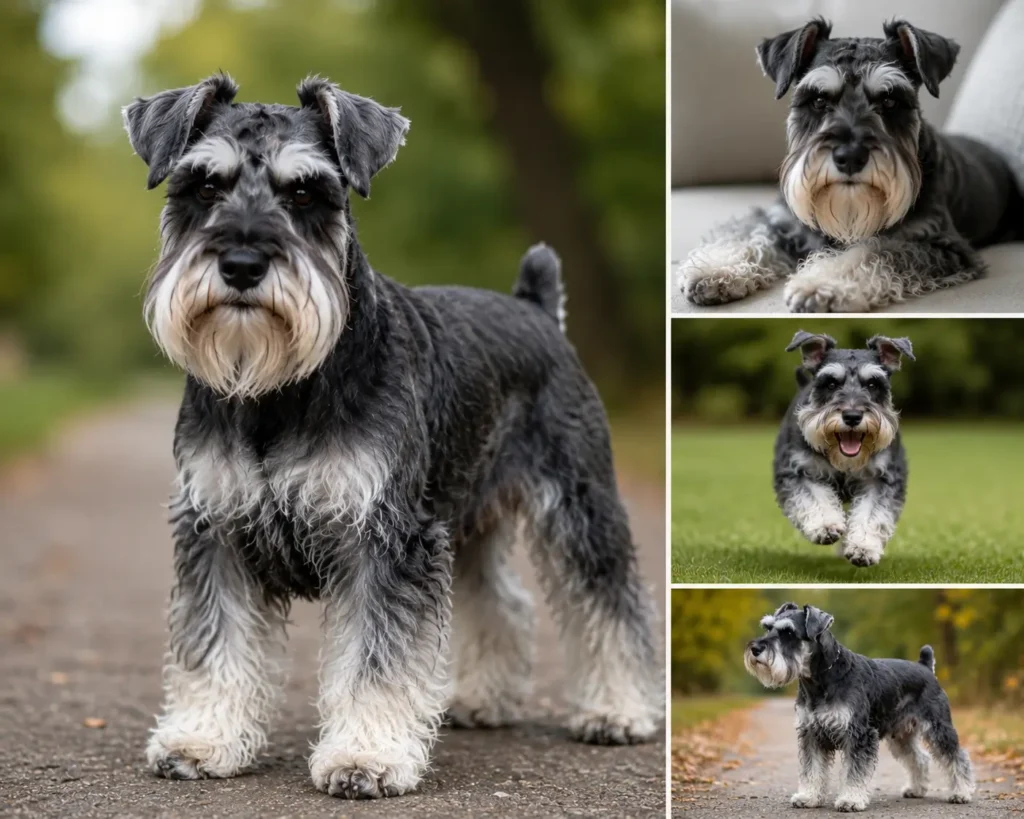
The Miniature Schnauzer is a sturdy small dog for owners who want intelligence, alertness, and moderate activity. The breed usually weighs 11 to 20 pounds.
Miniature Schnauzers have a wiry outer coat, soft undercoat, beard, and eyebrows. They need brushing, trimming, ear checks, and beard cleaning. The breed can become vocal without socialization.
This breed suits families and active apartment owners. Its terrier background gives it watchfulness, curiosity, and interest in movement.
7. Pug
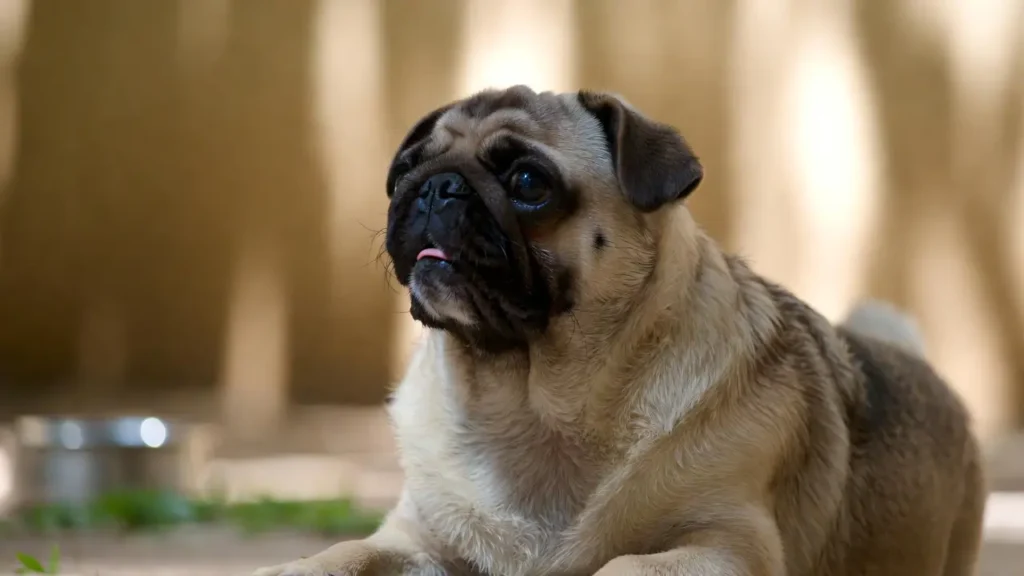
The Pug is a compact companion breed for calm households that can manage heat, weight, skin folds, and breathing risk. Pugs usually weigh 14 to 18 pounds.
Pugs are affectionate, playful, and people-focused. They often suit apartments because they do not require intense exercise. Short walks and indoor games fit most healthy adults.
The main risk is anatomy. Pugs have flat faces, so heat, humidity, overexertion, and obesity can create breathing problems. Owners can review Pug breathing and heat limits to understand early stopping, heavy panting, and slow recovery during activity.
8. Papillon
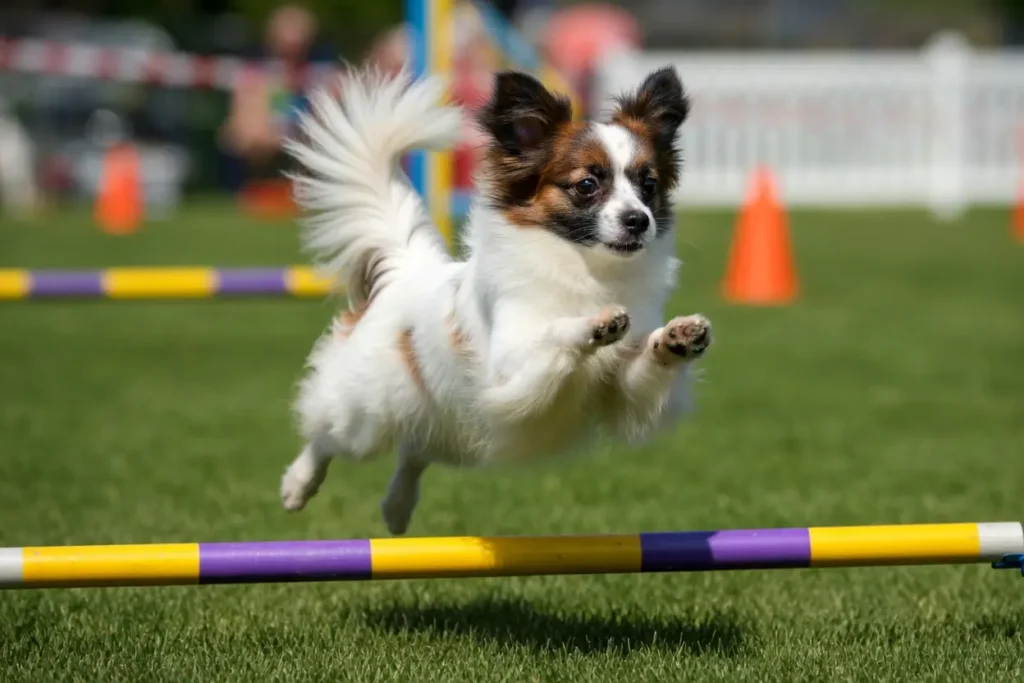
The Papillon is a tiny, intelligent, athletic toy breed for owners who enjoy training and interactive play. Papillons usually weigh 5 to 10 pounds.
The breed has butterfly-like ears, a fine frame, and a lively mind. Papillons often learn quickly and enjoy agility, trick training, and structured games. They can bark when bored.
Papillons suit active adults, careful families, and apartment owners who provide mental stimulation. They are less suitable for rough handling because their bones are delicate.
9. Havanese
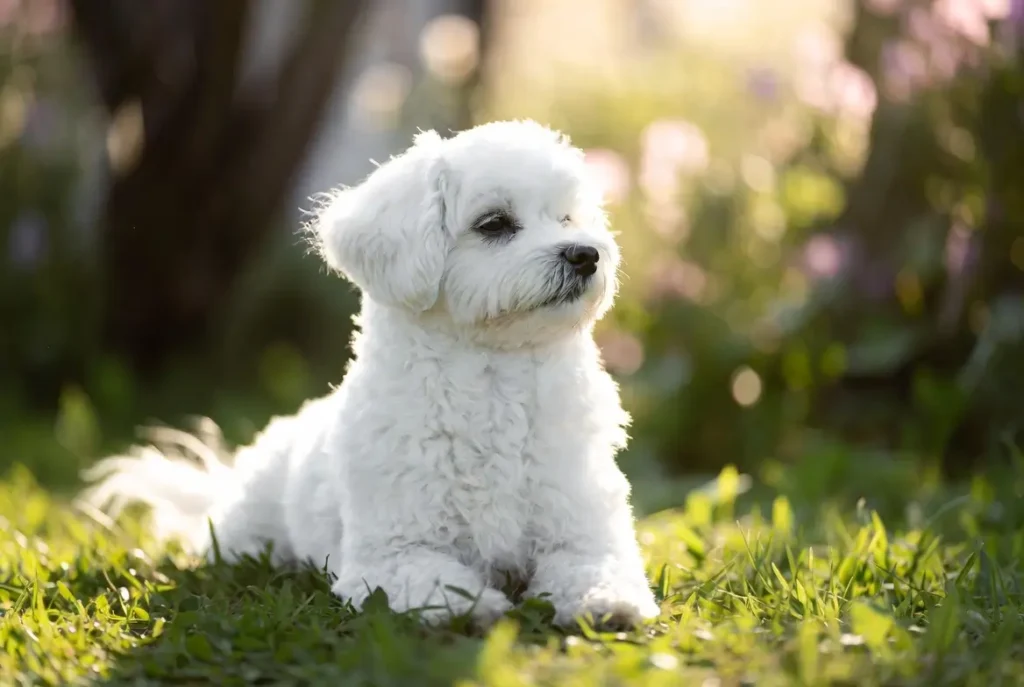
The Havanese dog breed is a small, sociable companion for families, apartments, and owners who spend time at home. Havanese dogs usually weigh 7 to 13 pounds.
The breed is playful, people-oriented, and adaptable. Daily brushing or a clipped coat helps prevent mats. Havanese dogs often do well with children when handling stays gentle.
This breed may struggle with long isolation. A Havanese fits homes that provide companionship, short walks, training games, and predictable routines.
10. Basenji
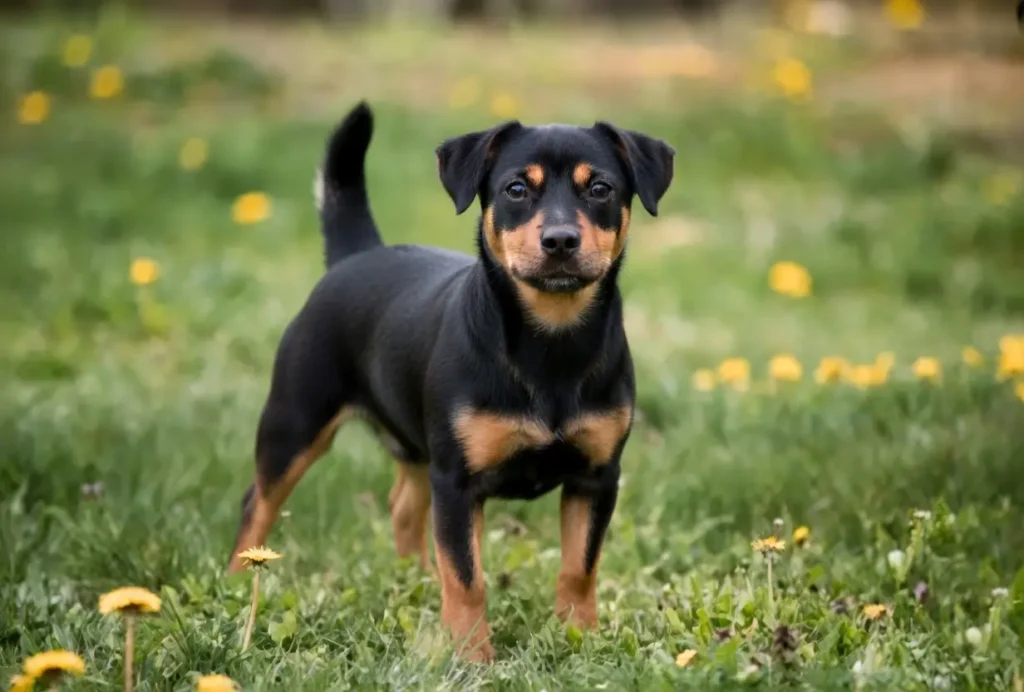
The Basenji is a small-to-medium hound for active owners who want a quiet but independent dog. The AKC Basenji profile lists males at 24 pounds and females at 22 pounds.
The breed is often called barkless because it does not bark in the usual way. It can produce yodel-like sounds. Basenjis are clean, athletic, curious, and independent.
This breed is not a low-effort apartment dog. Basenjis need secure fencing, leash control, puzzle work, and daily exercise. They suit experienced owners more than first-time owners.
11. West Highland White Terrier
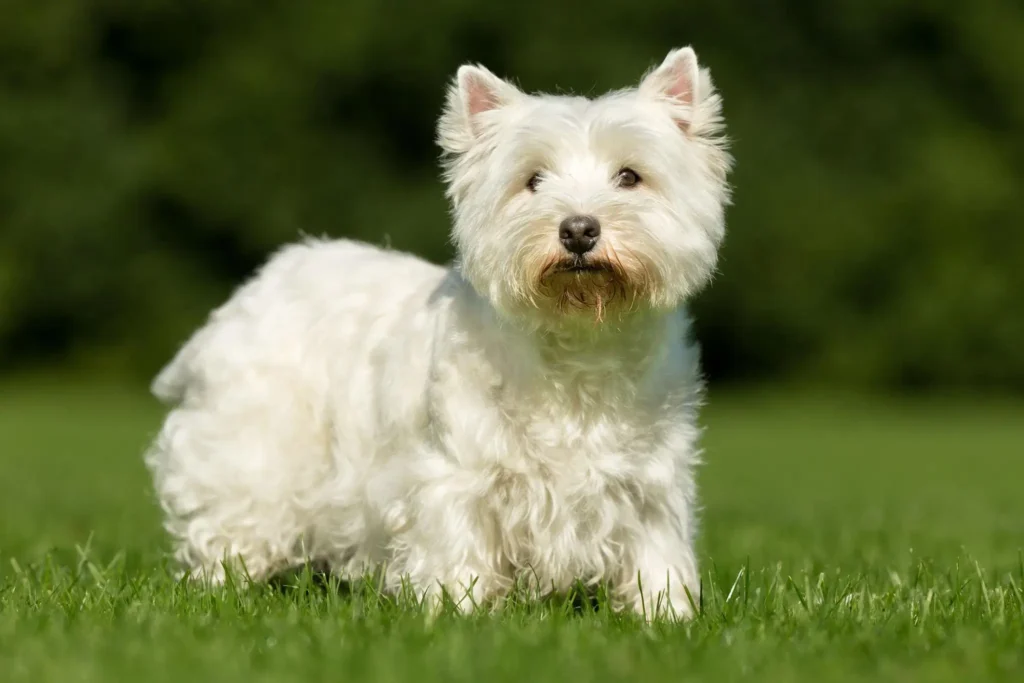
The West Highland White Terrier is a confident small terrier for active homes that can manage grooming and terrier instincts. Westies usually weigh 15 to 20 pounds.
The breed has a white double coat, compact body, and strong personality. Westies often enjoy digging, chasing, alert barking, and exploring. Training and play reduce unwanted behavior.
Westies suit families with older children, active singles, and owners who enjoy terrier temperament. Skin sensitivity and coat care need regular attention.
12. Beagle
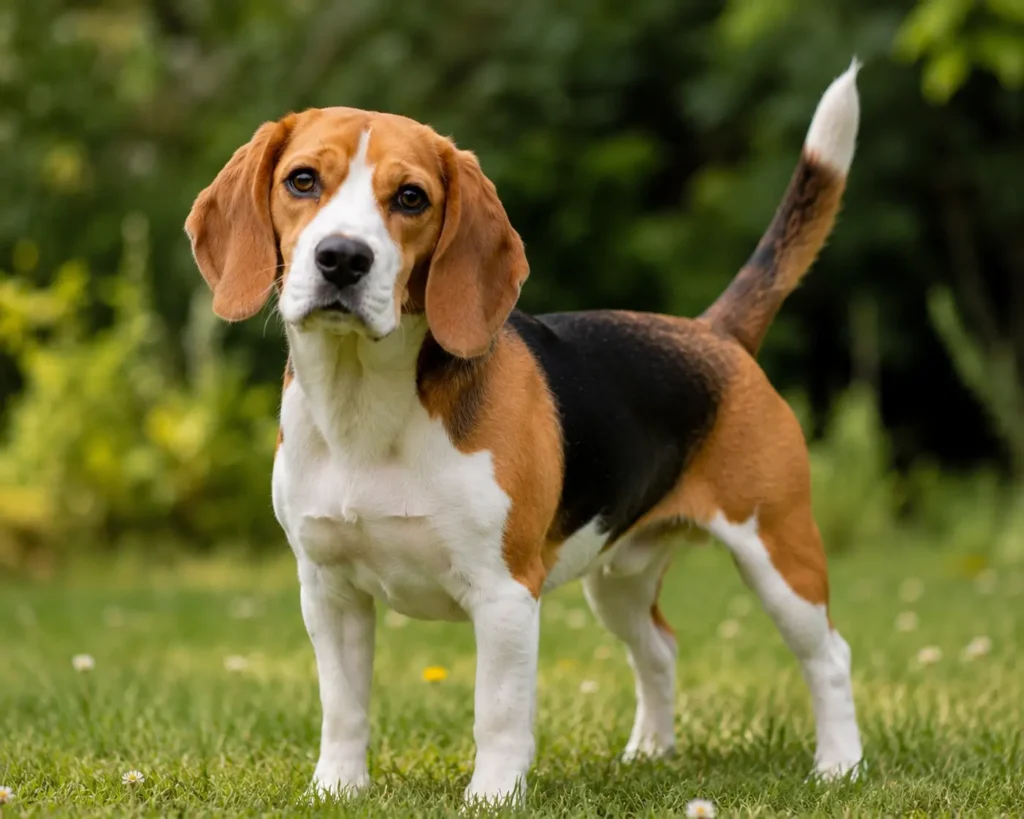
The Beagle is a small scent hound for active families that can manage walking, food drive, and tracking behavior. AKC lists 2 Beagle varieties: 13 inches and under at under 20 pounds, and 13 to 15 inches at 20 to 30 pounds.
Beagles are friendly, curious, and social. Their nose guides their decisions, so off-leash reliability is difficult in open areas. Secure fencing and leash walking matter.
This breed fits families that enjoy outdoor time. Beagles are not the best match for owners who want a silent, low-energy lap dog.
13. Norfolk Terrier
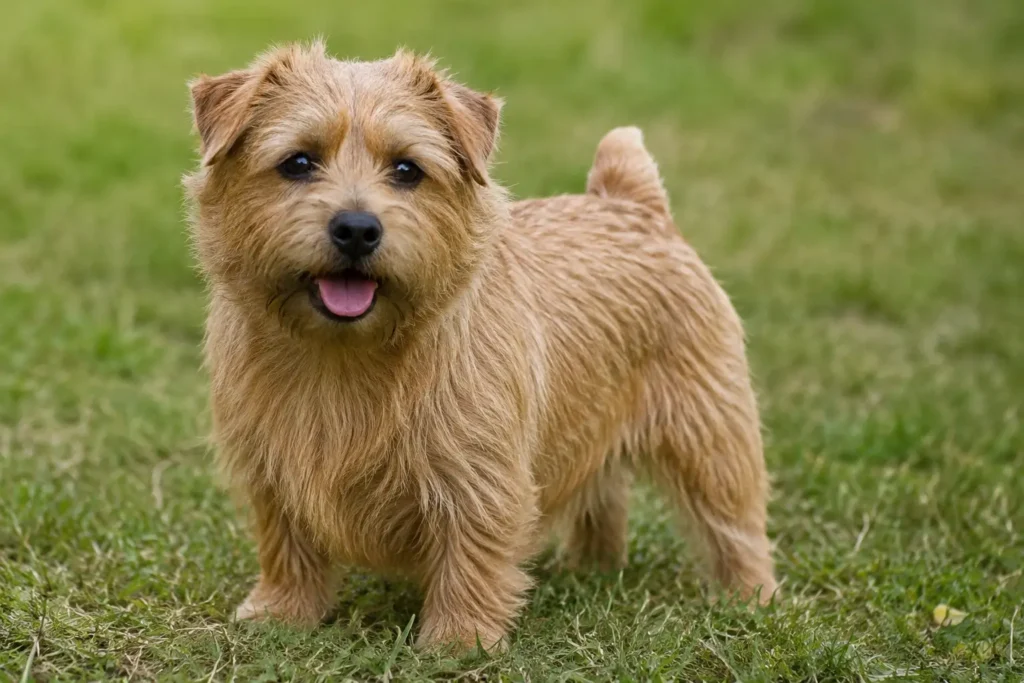
The Norfolk Terrier is a compact terrier for owners who want a small dog with courage, playfulness, and working-dog energy. Norfolk Terriers usually weigh 11 to 12 pounds.
The breed has a wiry coat, drop ears, and a strong vermin-control background. Norfolk Terriers enjoy digging, chasing, and interactive play. They need outlets for terrier behavior.
This breed suits active small homes. Weekly brushing and periodic hand-stripping or trimming help maintain coat texture.
14. Pekingese
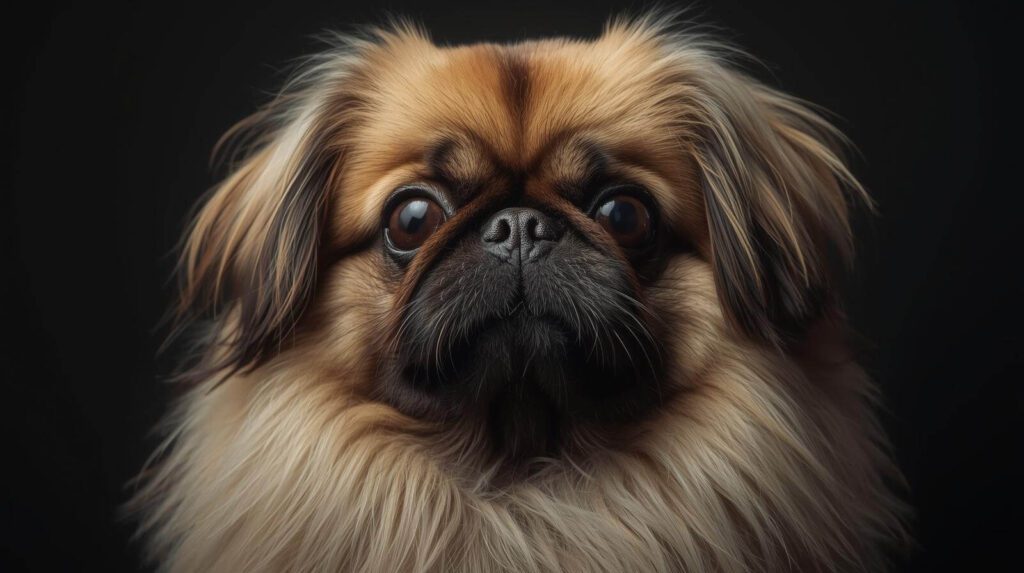
The Pekingese is a calm, dignified companion breed for quiet homes and owners who can manage coat, eye, and heat care. Pekingese dogs usually weigh up to 14 pounds.
The breed has a flat face, heavy coat, and independent temperament. Pekingese dogs enjoy companionship but do not need intense exercise. Short walks and indoor time suit many adults.
Heat risk matters. Avoid hot walking times, hard exercise, and heavy humidity. Facial folds and eyes require regular checks.
15. Miniature Pinscher
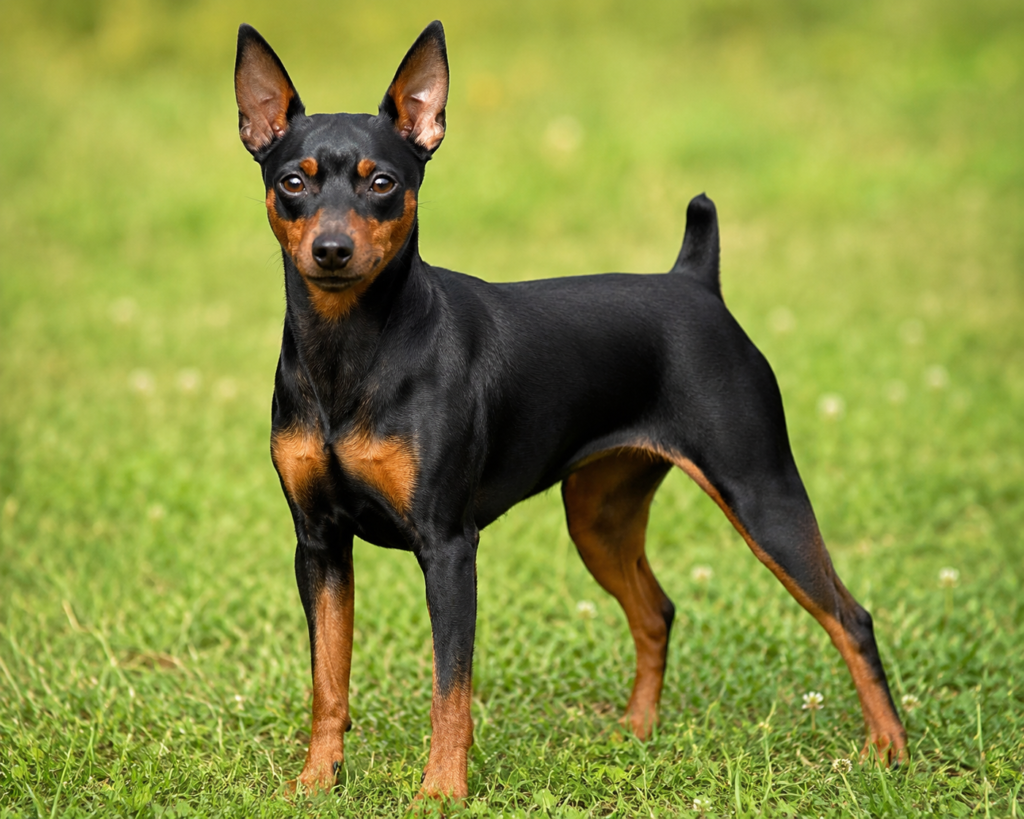
The Miniature Pinscher is a small, energetic breed for active owners who can manage speed, curiosity, and escape behavior. Miniature Pinschers usually weigh 8 to 10 pounds.
This breed has a short coat, sharp alertness, and high movement drive. It often acts bold, busy, and independent. A secure harness and door discipline matter.
Miniature Pinschers fit owners who want a small dog with big energy. They are not a couch-only breed.
16. Affenpinscher

The Affenpinscher is a small toy breed with terrier-like confidence, comic expression, and a wiry coat. Affenpinschers usually weigh 7 to 10 pounds.
This breed is curious, alert, and sometimes stubborn. It often bonds strongly with adults and may prefer respectful handling over rough family play.
Affenpinschers fit small homes and experienced toy-breed owners. Grooming includes brushing, coat shaping, and facial hair maintenance.
17. Bichon Frisé
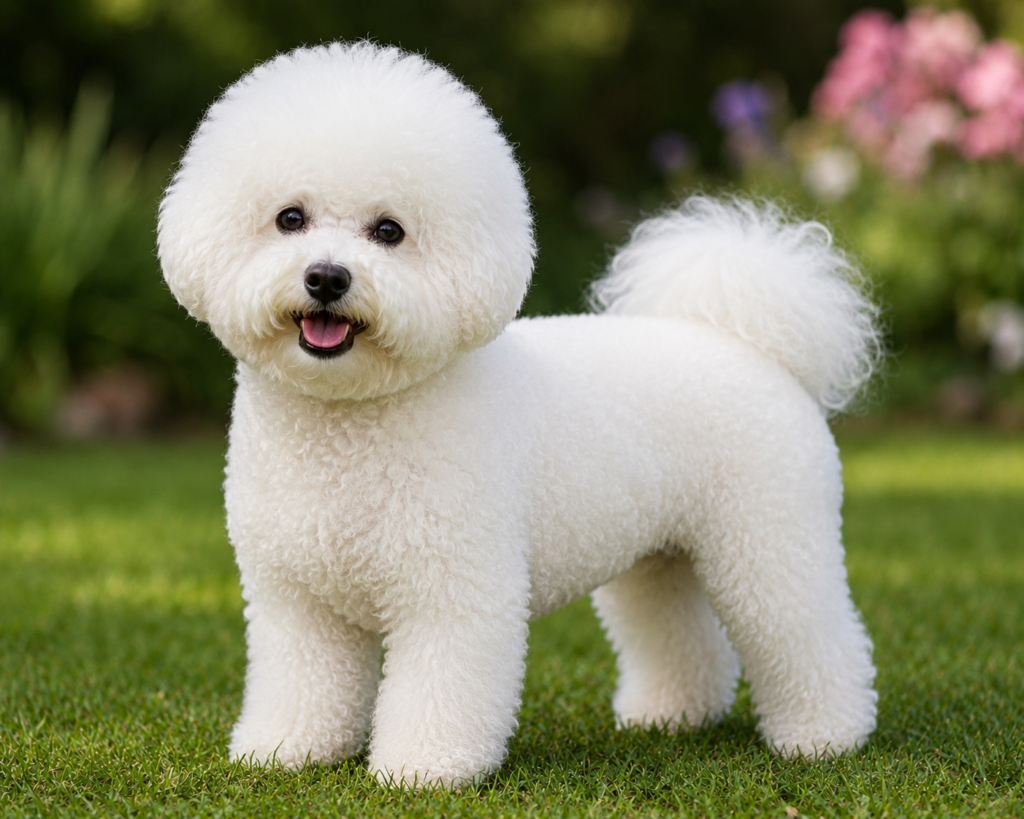
The Bichon Frisé is a cheerful, low-shedding small dog for families and allergy-sensitive homes that can afford regular grooming. Bichons usually weigh 12 to 18 pounds.
The breed has a soft, curly white coat that requires brushing and professional trims. Bichons are playful, social, and often good with gentle children.
This breed fits apartments and family homes. Grooming is the main cost an d time commitment. Low-shedding does not mean allergen-free.
18. Miniature Dachshund
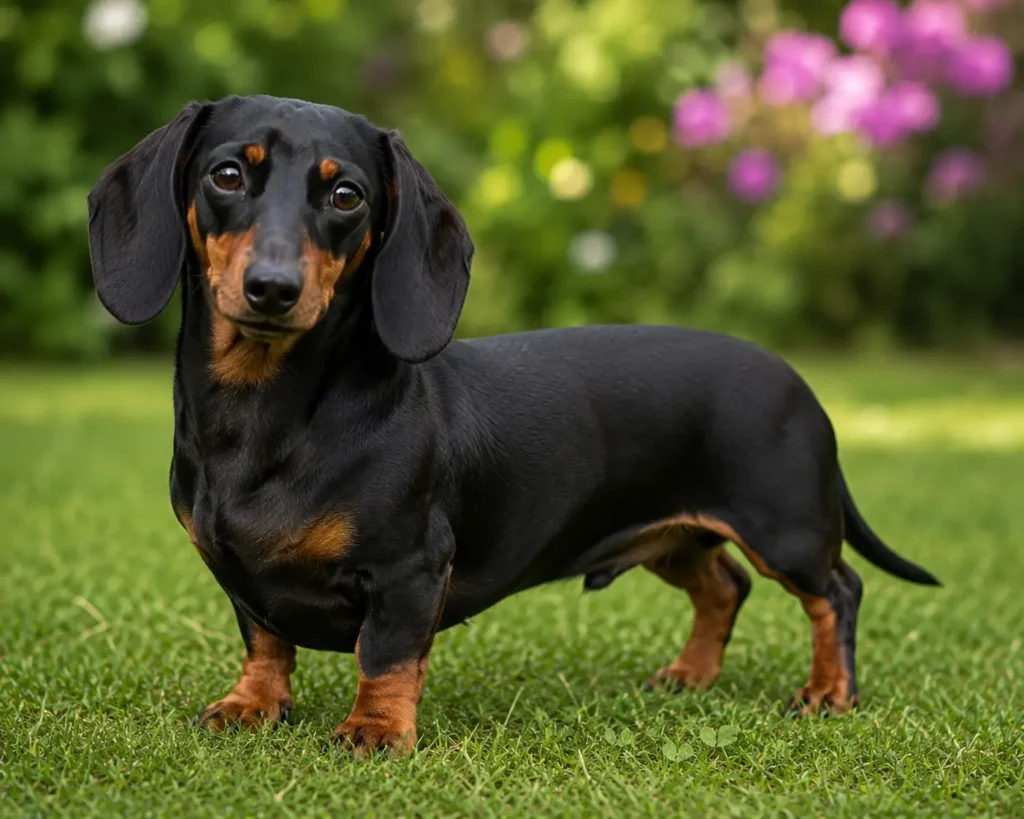
The Dachshund is a small hound for owners who want a brave, affectionate dog with moderate exercise needs. Miniature Dachshunds usually weigh up to 11 pounds.
The breed has a long body, short legs, and scent-hound curiosity. Coat types include smooth, longhaired, and wirehaired. Exercise is useful, but jumping and stairs require caution.
Back protection matters. Use ramps, manage weight, and prevent repeated furniture jumping. This breed fits apartments when owners protect the spine and control high-impact movement.
19. French Bulldog
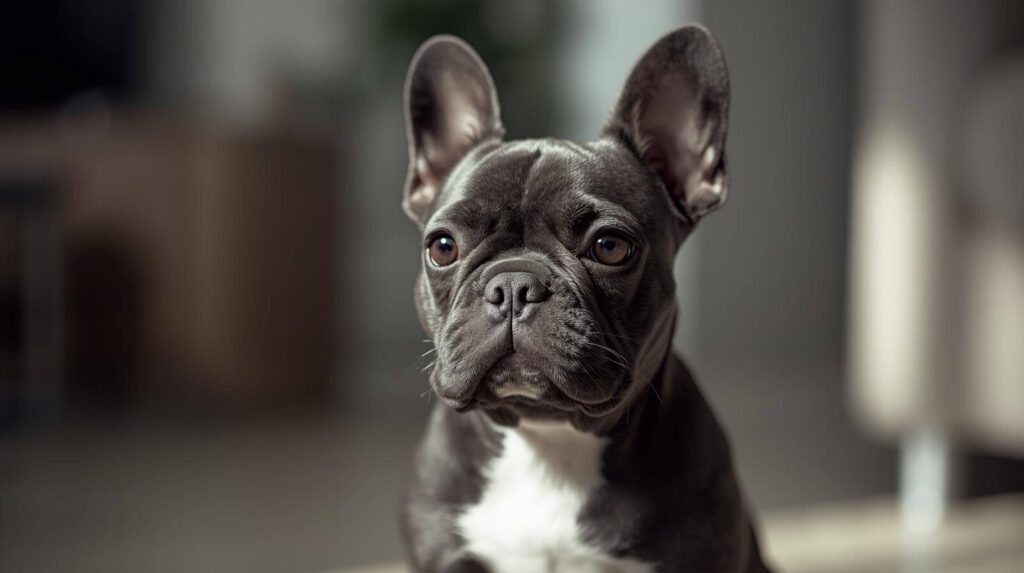
The French Bulldog is a compact companion breed for city owners who want a low-grooming, people-focused dog. AKC lists French Bulldogs at 11 to 13 inches tall and under 28 pounds.
French Bulldogs often suit apartments because they need moderate activity and have short coats. They enjoy people and often prefer indoor routines.
Heat and breathing risk are the main concerns. Avoid hard exercise in warm weather. Keep weight controlled, provide cool indoor space, and choose health-focused breeders.
20. Toy Poodle
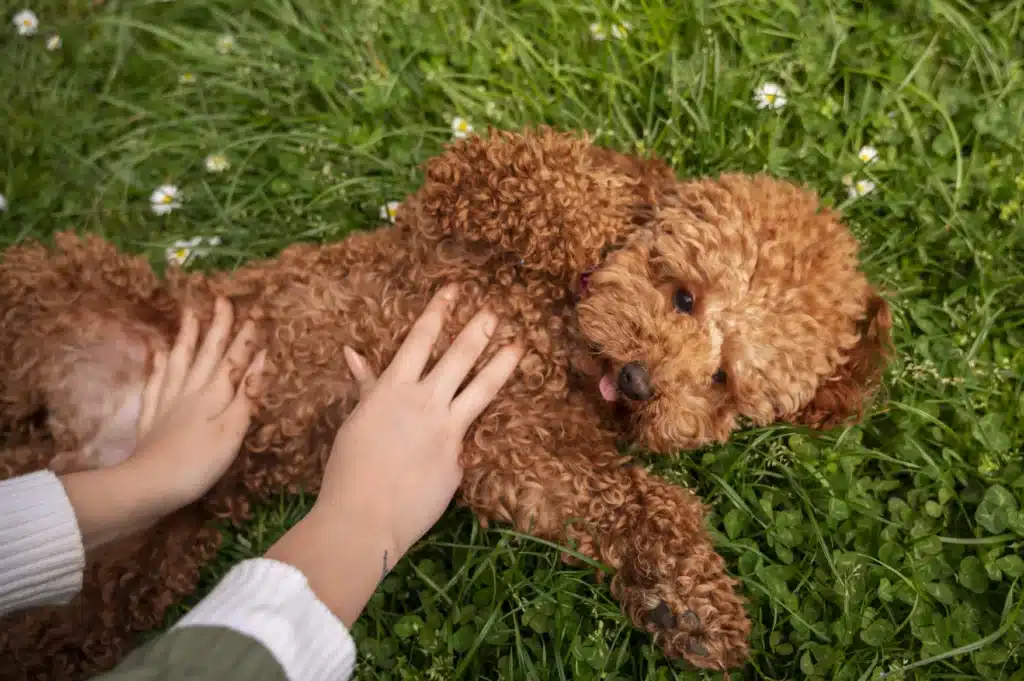
The Toy Poodle is a small, trainable, low-shedding dog for owners who want mental engagement and regular grooming. The AKC Toy Poodle profile lists Toy Poodles at no more than 10 inches tall and 4 to 6 pounds.
This breed learns quickly and enjoys structured games. Its intelligence can become a problem when the dog is under-stimulated. Puzzle feeding, trick training, and calm leash work help channel that learning ability.
Toy Poodles suit apartments, allergy-sensitive homes, and active owners who can afford grooming. The curly coat needs brushing and professional trimming.
How do you choose the right small dog breed?
Choose a small dog breed by matching 6 care factors with your home: space, time, grooming budget, activity level, child safety, and health risk tolerance. Size is only one part of breed fit.
Use this decision process:
- Match energy first: Choose Papillon, Beagle, Basenji, Miniature Pinscher, Toy Poodle, or Miniature Schnauzer for active routines.
- Match grooming second: Choose Pug, Chihuahua, Beagle, or Miniature Pinscher for lower coat maintenance.
- Match family handling: Choose Havanese, Bichon Frisé, Beagle, Westie, Shih Tzu, or Toy Poodle for gentle family homes.
- Match heat safety: Avoid intense heat exposure with Pug, Shih Tzu, Pekingese, and French Bulldog.
- Match allergy expectations: Choose low-shedding breeds, but test real exposure before adoption.
- Match training time: Choose people-focused breeds for first-time owners.
A good match reduces frustration for both owner and dog. A poor match creates barking, grooming neglect, weight gain, separation stress, and preventable veterinary problems.
What mistakes do new small dog owners make?
New small dog owners often underestimate dental care, barking control, grooming cost, heat risk, and training needs. Small dogs still need structure, exercise, enrichment, and veterinary care.
Common mistakes include:
- Skipping tooth brushing because the dog is young.
- Carrying the dog everywhere instead of teaching leash confidence.
- Choosing a long-coated breed without a grooming budget.
- Treating barking as harmless because the dog is small.
- Ignoring weight gain in compact breeds.
- Letting children handle toy breeds without supervision.
- Using collars on breeds prone to airway pressure.
Small dogs live better with consistent routines. Food portions, nail trimming, safe walking, dental care, and calm training form the base of long-term care.
FAQs about small dog breeds
What is the best small dog breed for apartments?
Maltese, Shih Tzu, Pug, Havanese, Chihuahua, Bichon Frisé, French Bulldog, and Toy Poodle are strong apartment choices because they are compact and need moderate space.
Which small dog breed needs the least grooming?
Pug, Chihuahua, Beagle, and Miniature Pinscher need less coat grooming than long-coated or curly-coated small breeds.
Which small dog breed is best for families?
Havanese, Bichon Frisé, Beagle, West Highland White Terrier, Shih Tzu, Toy Poodle, and Miniature Schnauzer often fit families that provide gentle handling and training.
Which small dog breed is best for seniors?
Shih Tzu, Maltese, Pekingese, Pug, Havanese, Chihuahua, and Bichon Frisé often fit seniors because they are companion-focused and moderate in activity.
Are small dogs easier than large dogs?
Small dogs are easier to house and transport, but they are not always easier to train, groom, or keep healthy.
Which small dogs are lower-shedding?
Bichon Frisé, Maltese, Havanese, Miniature Schnauzer, Yorkshire Terrier, and Toy Poodle are lower-shedding small dog breeds, but no dog is fully hypoallergenic.
Which small dog breeds bark the most?
Chihuahua, Yorkshire Terrier, Pomeranian, Miniature Schnauzer, Miniature Pinscher, and some terriers may bark more without early training and enrichment.
Which small dog breeds need the most exercise?
Papillon, Basenji, Beagle, Miniature Pinscher, West Highland White Terrier, Toy Poodle, and Miniature Schnauzer need more daily activity than many lap-focused breeds.
Which small dog breeds are risky in hot weather?
Pug, French Bulldog, Shih Tzu, and Pekingese need extra heat protection because flat-faced breeds can overheat faster than longer-muzzled dogs.
Which small dog breed lives longest?
Chihuahua, Maltese, Papillon, Havanese, Toy Poodle, and Miniature Dachshund often reach long lifespans with good breeding, weight control, dental care, and veterinary monitoring.
Final recommendation
The best small dog breed is the one that matches your daily routine, not only your home size. Apartment owners often do well with Maltese, Shih Tzu, Pug, Havanese, Chihuahua, Bichon Frisé, French Bulldog, or Toy Poodle. Active owners may prefer Papillon, Basenji, Beagle, Miniature Pinscher, Westie, or Miniature Schnauzer.
Small dog breeds fit many lifestyles because they vary widely in coat type, energy, temperament, and health needs. Choose by grooming load, exercise demand, dental risk, heat tolerance, barking tendency, and family handling. That decision creates a better life for the dog and a calmer routine for the owner.