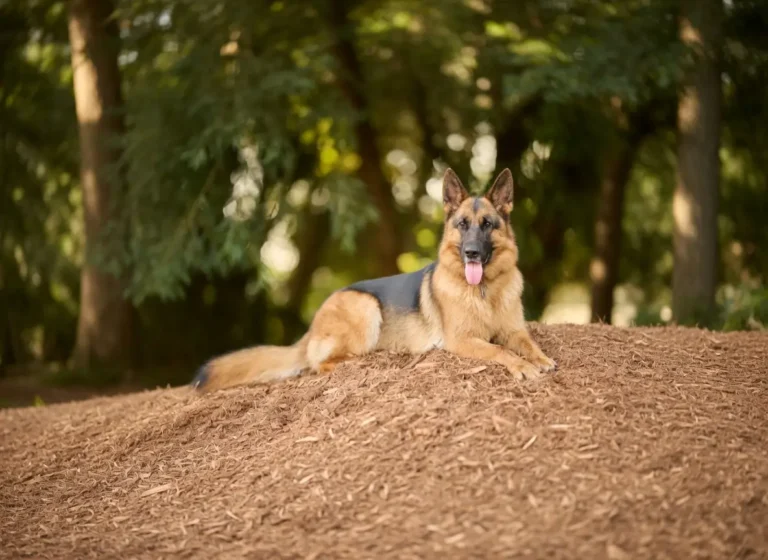
Deep in the Black Forest of medieval Germany, a massive hound gripped a wild boar by the neck while hunters approached with spears. Centuries later, that same breed lounges on suburban sofas as one of the world’s most beloved gentle giants. The breeds of dogs from Germany tell a fascinating story of evolution from fierce hunters to devoted companions, showcasing the remarkable adaptability and selective breeding that transformed working dogs into modern family pets.
Germany’s rich hunting heritage has produced some of the world’s most skilled and diverse canine breeds. From the towering Great Dane that once held wild boar at bay to the methodical German Hound that can track wounded game for miles, these breeds of dogs from Germany represent centuries of careful breeding for specific hunting tasks. Today, understanding their origins helps dog owners provide better care and appreciate the remarkable instincts that still drive these breeds.
Key Takeaways
- German hunting breeds were developed for specific tasks: Great Danes for holding large game like boar, while German Hounds excelled at tracking wounded animals through dense forests
- Size and strength were prioritized in boar-hunting breeds like Great Danes, while stamina and scenting ability were essential for tracking breeds like the Deutsche Bracke
- Modern German breeds retain their hunting instincts but have successfully transitioned to family companions with proper training and exercise
- Exercise requirements vary dramatically between breeds: Great Danes need moderate activity despite their size, while German Hounds require extensive daily exercise to satisfy their tracking drive
- Understanding breed history helps owners provide appropriate mental stimulation and physical outlets for these intelligent, purpose-bred dogs.
Germany’s Hunting Heritage: Traditional German Working Dog Breeds
The Medieval Foundation of German Hunting Dog History
Germany’s dense forests and abundant wildlife created the perfect environment for developing specialized hunting breeds. During the medieval period, German nobility required dogs capable of hunting everything from massive wild boar to fleet-footed deer. This led to the development of distinct traditional German hunting dogs that could handle specific tasks with remarkable efficiency.
The Holy Roman Empire’s hunting culture influenced breeding practices across German territories. Each region developed breeds suited to local terrain and game animals. Mountain areas produced hardy, sure-footed hounds, while forest regions created dogs with exceptional scenting abilities and endurance. This regional specialization resulted in the diverse collection of German working dog breeds we recognize today.
Key characteristics that defined early German hunting breeds included:
- Courage and tenacity for confronting dangerous game
- Intelligence and trainability for complex hunting strategies
- Physical resilience to withstand harsh German weather
- Loyalty and pack cooperation for working with hunters and other dogs
- Specialized skills tailored to specific hunting tasks
Evolution from Working Dogs to Modern Companions
The transformation of German hunting breeds reflects broader changes in society and hunting practices. As urbanization increased and hunting became less essential for survival, these breeds adapted to new roles. Many breeds of dogs from Germany successfully transitioned from working animals to family companions while retaining their distinctive characteristics.
Modern breeding programs focus on maintaining the positive traits that made these dogs excellent hunters while reducing aggressive tendencies that are unnecessary in domestic settings. This careful selection has preserved the intelligence, loyalty, and physical capabilities that define German breeds while making them suitable for contemporary lifestyles.
The success of this transition varies among breeds. Some, like the Great Dane, have become primarily companion animals with minimal hunting instincts. Others, such as the German Shorthaired Pointer, retain strong working drives that require active owners who can provide appropriate outlets for their energy and intelligence.
Great Dane: From Boar-Hunting Giant to Gentle Companion
Great Dane Hunting History and Original Purpose
The Great Dane hunting history reveals a breed far removed from the gentle giant reputation it holds today. Originally known as the “Boarhound” or “Deutsche Dogge,” these massive dogs were specifically bred to hunt wild boar in German forests. Their impressive size and strength made them ideal for this dangerous task, as they could physically restrain a charging boar until hunters arrived.
Was the Great Dane used to hunt boar? Absolutely. These dogs worked in packs, using their speed to chase down boar and their strength to hold them. The Great Dane original purpose required dogs with exceptional courage, as wild boar were among the most dangerous game animals in medieval Europe. A fully grown boar could weigh over 400 pounds and possessed razor-sharp tusks capable of inflicting fatal wounds.
The breeding program that created Great Danes focused on producing dogs with:
- Massive size (males reaching 175+ pounds)
- Explosive speed for short-distance chases
- Powerful bite for gripping large game
- Fearless temperament when facing dangerous animals
- Pack cooperation for coordinated hunting
Great Dane Temperament in Modern Times
Today’s Great Dane temperament represents a remarkable transformation from their hunting origins. Selective breeding has emphasized gentleness, making them excellent family pets despite their imposing size. Modern Great Danes are known for being:
- Gentle with children – earning the nickname “gentle giant”
- Calm and patient in domestic situations
- Loyal and protective without excessive aggression
- Intelligent and trainable with consistent positive reinforcement
- Social and friendly with proper socialization
This temperament shift didn’t happen overnight. Breeders spent generations selecting for dogs that retained the Great Dane’s impressive physical presence while developing a more suitable personality for companionship. The result is a breed that can serve as both a deterrent to intruders and a loving family member.
However, traces of their hunting heritage remain. Great Danes may show protective instincts around their family and property. They also retain the confidence and alertness that served them well when facing wild boar. Understanding this background helps owners appreciate why their gentle giant might suddenly become alert and focused when encountering unfamiliar situations.
Great Dane Exercise Needs and Modern Care
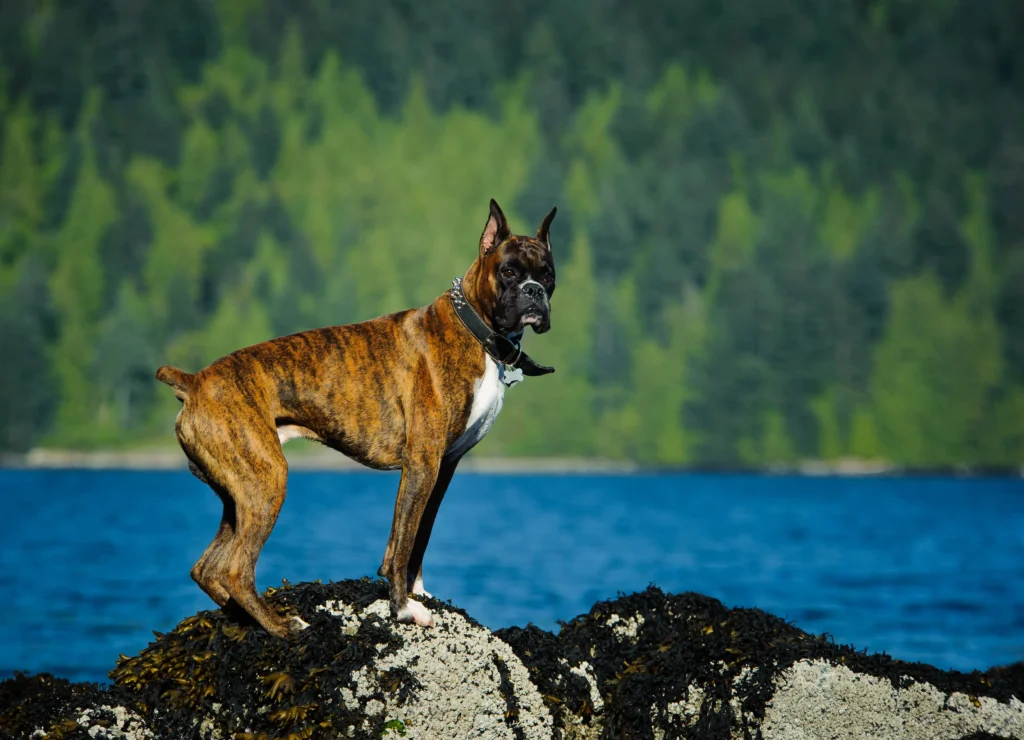
Despite their size, Great Dane exercise needs are surprisingly moderate compared to many smaller breeds. Their hunting background involved short bursts of intense activity rather than prolonged endurance work. This translates to modern exercise requirements that focus on quality over quantity.
Daily exercise recommendations for Great Danes include:
| Age Group | Exercise Duration | Activity Type | Frequency |
| Puppy (8-18 months) | 20-30 minutes | Gentle walks, supervised play | 2-3 times daily |
| Adult (18 months-7 years) | 45-60 minutes | Brisk walks, moderate jogging | 1-2 times daily |
| Senior (7+ years) | 30-45 minutes | Leisurely walks, swimming | 1-2 times daily |
Important considerations for Great Dane exercise:
- Avoid excessive jumping until growth plates close (around 18-24 months)
- Monitor for overheating due to their large size and potential breathing issues
- Provide mental stimulation through puzzle toys and training sessions
- Consider joint health with low-impact activities like swimming
For comprehensive guidance on maintaining your Great Dane’s health throughout their life stages, explore our detailed dogs health care resources that cover breed-specific needs and preventive care strategies.
The transition from boar hunter to family companion also affects nutritional needs. Great Danes require carefully balanced diets to support their large frames without promoting excessive weight gain. Their deep chests make them susceptible to bloat, requiring feeding strategies that differ from their hunting ancestors who might have eaten irregularly after successful hunts.
German Hound (Deutsche Bracke): The Master Tracking Specialist
German Hound Deutsche Bracke Origins and Development
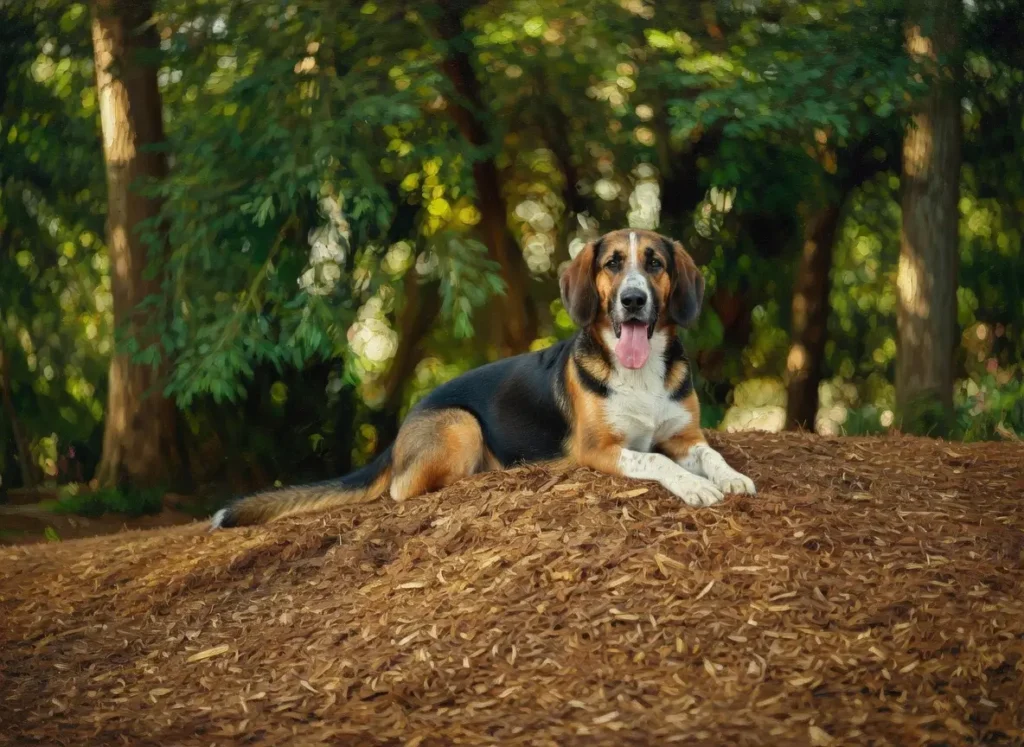
The German Hound Deutsche Bracke represents the pinnacle of scent hound development in Central Europe. Unlike the Great Dane’s role as a “holding dog,” the Deutsche Bracke was bred specifically for tracking wounded game through Germany’s dense forests. This Deutsche Bracke tracking dog emerged from centuries of selective breeding that prioritized scenting ability, endurance, and methodical hunting techniques.
Developed primarily in the Westphalian region of Germany, the Deutsche Bracke descended from ancient Celtic hounds brought to the region over 2,000 years ago. German hunters refined these bloodlines to create a German hound scent hound capable of following cold trails for hours or even days. Their work was essential for ethical hunting practices, ensuring that wounded animals were tracked and recovered rather than left to suffer.
Physical characteristics that make the Deutsche Bracke an exceptional tracker include:
- Medium size (35-40 pounds) for navigating dense underbrush
- Long, pendulous ears that funnel scent particles to the nose
- Deep chest providing lung capacity for sustained tracking
- Strong, compact feet with thick pads for traversing rough terrain
- Weather-resistant coat in distinctive tricolor pattern
Deutsche Bracke Tracking Abilities and Working Style
The German hound stamina endurance sets this breed apart from many other scent hounds. Deutsche Brackes were bred to work alone or in small packs, methodically following scent trails without the excitement and speed that characterizes pack hunting. This deliberate approach made them invaluable for tracking wounded deer, boar, and other game that might travel for miles before stopping.
Tracking methodology of the Deutsche Bracke involves:
- Systematic ground coverage : Working back and forth across terrain
- Patient scent discrimination : Distinguishing target animal from other wildlife
- Sustained focus : maintaining concentration for hours without distraction
- Silent tracking : Following trails without giving voice until game is located
- Terrain adaptation – adjusting technique for different ground conditions
This working style requires exceptional mental discipline. Unlike hounds that hunt in excited packs, the Deutsche Bracke must maintain focus and determination while working independently. This trait translates to modern dogs that can be somewhat aloof and independent, requiring patient training approaches that respect their working heritage.
The breed’s tracking ability extends beyond simple scent following. Deutsche Brackes can age scent trails, determining how recently an animal passed through an area. They can also track through challenging conditions including water crossings, rocky terrain, and areas with heavy wildlife traffic that might confuse less skilled hounds.
German Hound Temperament and Exercise Requirements
The German hound temperament reflects their working background as methodical, independent hunters. These dogs are typically calm and even-tempered in domestic settings but transform into focused, determined trackers when presented with scent work. Understanding this duality is essential for potential owners considering this breed.
Temperament characteristics include:
- Independent thinking – bred to work without constant human direction
- Calm persistence – steady energy rather than high excitement
- Strong prey drive – intense focus on scent and tracking activities
- Gentle nature – typically good with family members when properly socialized
- Reserved demeanor – often aloof with strangers but not aggressive
German hound exercise needs are substantial and must include both physical activity and mental stimulation. These dogs were bred to work for hours in challenging terrain, and modern pets retain this need for sustained activity. Inadequate exercise often results in destructive behavior, excessive barking, or attempts to escape and follow interesting scents.
Daily exercise requirements for Deutsche Brackes:
- Minimum 90 minutes of varied physical activity
- Scent work sessions using tracking games and nose work
- Long walks in areas with interesting smells and terrain changes
- Mental challenges through puzzle toys and training exercises
- Secure exercise areas due to strong tendency to follow scent trails
For owners interested in providing optimal nutrition to support their German Hound’s active lifestyle, our comprehensive dogs food guide offers detailed information about feeding active breeds and calculating proper portions for working dogs.
The Deutsche Bracke’s exercise needs make them unsuitable for apartment living or sedentary owners. These dogs thrive with active families who enjoy hiking, camping, or other outdoor activities. They also excel in dog sports like tracking trials, search and rescue work, and scent detection activities that utilize their natural abilities.
Boar Hunting vs. Tracking: Comparing German Hunting Specializations
Size vs. Stamina: Different Approaches to Hunting Success
The contrast between boar hunting dogs vs scent hounds illustrates how form follows function in canine development. Great Danes and Deutsche Brackes represent opposite ends of the hunting spectrum, each perfectly adapted for their specific roles. Understanding these differences helps explain why these breeds of dogs from Germany developed such distinct characteristics.
Boar hunting requirements demanded dogs with:
- Massive size and strength to physically control dangerous game
- Explosive power for short-distance charges and holds
- Courage and aggression to face animals that could kill them
- Pack coordination for group hunting strategies
- Quick decision-making in high-stress, dangerous situations
Tracking specialization required entirely different attributes:
- Moderate size for maneuverability in dense cover
- Exceptional endurance for hours of sustained work
- Methodical temperament for patient, systematic searching
- Independent thinking for working alone without constant direction
- Scent discrimination to follow specific trails among many distractions
Strength vs. Endurance: Physical Adaptations for Different Roles
The size vs stamina hunting dogs comparison reveals fascinating adaptations. Great Danes developed as “sprinters” – massive dogs capable of tremendous short-term effort. Their muscular build, deep chest, and long legs created dogs that could chase down and hold large game but weren’t designed for marathon efforts.
Deutsche Brackes evolved as “marathon runners” – medium-sized dogs with incredible endurance. Their compact build, efficient gait, and steady temperament allowed them to work for hours without fatigue. These dogs could track wounded animals across vast territories, sometimes working for days to complete a single trail.
Physical comparison between boar dogs and tracking hounds:
| Characteristic | Great Dane (Boar Dog) | Deutsche Bracke (Tracker) |
| Weight | 110-175 pounds | 35-40 pounds |
| Height | 28-34 inches | 16-21 inches |
| Build | Massive, powerful | Compact, athletic |
| Coat | Short, minimal protection | Dense, weather-resistant |
| Stamina | Short bursts, high intensity | Sustained, moderate intensity |
| Working Style | Group coordination | Independent operation |
Tracking Dog vs. Holding Dog: Behavioral Differences
The distinction between tracking dog vs holding dog extends beyond physical differences to fundamental behavioral patterns. These differences persist in modern dogs and influence training approaches, exercise needs, and suitability for different types of owners.
Holding dogs (like Great Danes) were bred for:
- Immediate response to threats or commands
- Physical confrontation when necessary
- Pack loyalty and cooperation with other dogs
- Human direction in hunting situations
- Protective instincts toward their hunting party
Tracking dogs (like Deutsche Brackes) developed:
- Patient persistence in following scent trails
- Independent problem-solving when trails become difficult
- Methodical work habits that prioritize accuracy over speed
- Selective focus that filters out distractions
- Quiet confidence rather than dramatic displays
These behavioral differences affect modern pet ownership significantly. Great Danes often make excellent family guardians and companions because they’re naturally attuned to human direction and pack dynamics. Deutsche Brackes can be more challenging as pets because their independent nature and strong prey drive require experienced handling.
Understanding whether a breed was developed for holding or tracking helps predict training challenges and success strategies. Holding dogs typically respond well to traditional obedience training and enjoy pleasing their owners. Tracking dogs often require more creative training approaches that engage their problem-solving abilities and provide outlets for their natural instincts.
For those interested in exploring the full range of German breeds and their characteristics, our comprehensive dog breeds section provides detailed information about temperament, care requirements, and suitability for different lifestyles.
Other Notable Breeds of Dogs from Germany
Scenthounds: Specialized Tracking Breeds
Germany’s diverse terrain and hunting traditions produced several other exceptional German scent hounds list beyond the Deutsche Bracke. Each breed developed unique specializations based on regional needs and specific game animals.
Hanoverian Scenthound represents the ultimate in tracking wounded game. These large, powerful hounds were developed specifically for following blood trails of wounded deer and wild boar. Their exceptional scenting ability and calm persistence made them invaluable for ethical hunting practices. Modern Hanoverians require experienced handlers and extensive exercise to channel their intense tracking drive.
Bavarian Mountain Scenthound evolved in the Alpine regions for tracking wounded game in mountainous terrain. Smaller and more agile than the Hanoverian, these dogs excel at working in steep, rocky conditions. Their sure-footed movement and excellent scenting ability make them ideal for challenging terrain that would defeat larger hounds.
Both breeds share characteristics common to German tracking breeds for wounded game:
- Exceptional scenting ability for following blood trails
- Calm, methodical temperament for patient tracking work
- Strong build capable of working in challenging terrain
- Independent thinking for problem-solving during difficult trails
- Intense focus that can border on obsession with scent work
Versatile Hunting Breeds
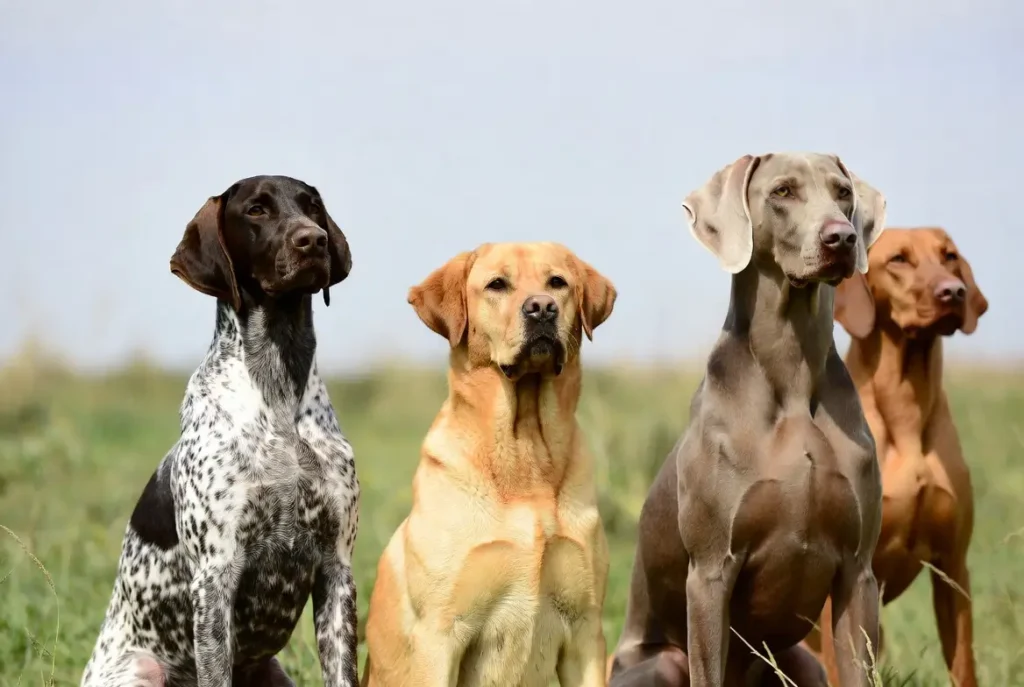
German Shorthaired Pointer represents the pinnacle of versatile hunting dog development. These athletic dogs were bred to point, retrieve, and track various game species. Their intelligence, trainability, and moderate size made them ideal for hunters who needed one dog capable of multiple tasks.
Weimaraner hunting dog heritage includes both tracking and pointing abilities. Originally bred for hunting large game including deer, boar, and even bears, modern Weimaraners retain strong hunting instincts and require active owners who can provide adequate mental and physical stimulation.
Specialized Terriers and Earth Dogs
Jagdterrier German hunting terrier development focused on underground work and vermin control. These fearless small dogs were bred to pursue badgers, foxes, and other animals in their dens. Their courage, tenacity, and compact size made them invaluable for controlling pest species.
Dachshund hunting dog Germany origins trace to badger hunting, where their elongated bodies allowed them to follow prey into burrows. Despite their modern reputation as companion animals, Dachshunds retain strong hunting instincts and surprising courage for their size.
Modern Considerations for German Hunting Breeds
Contemporary ownership of these breeds of dogs from Germany requires understanding their working heritage. Many retain strong instincts that can create challenges for unprepared owners:
Common characteristics across German hunting breeds:
- High exercise requirements reflecting their working background
- Strong prey drive that may conflict with small pets
- Independent thinking that can complicate training
- Need for mental stimulation to prevent destructive behavior
- Potential for escape when following interesting scents
Success strategies for owning German hunting breeds include:
- Providing adequate exercise through varied activities
- Engaging natural instincts with tracking games and scent work
- Consistent training that respects their intelligence and independence
- Secure containment to prevent escape during scent-following episodes
- Early socialization to manage prey drive around other animals
For owners seeking to provide optimal nutrition for these active breeds, our dog feeding calculator can help determine appropriate portions based on activity level, age, and breed size.
Frequently Asked Questions
What dog breeds come from Germany?
Germany has produced numerous influential dog breeds, including the Great Dane, German Shepherd, Rottweiler, Dachshund, Weimaraner, German Shorthaired Pointer, Deutsche Bracke, Jagdterrier, Doberman Pinscher, and various schnauzer breeds. Many of these breeds of dogs from Germany were originally developed for specific hunting, herding, or protection tasks.
What German dogs were bred for hunting?
Several German breeds were specifically developed for hunting purposes. The Great Dane was bred for boar hunting, while the Deutsche Bracke specialized in tracking wounded game. Other hunting breeds include the German Shorthaired Pointer (versatile gun dog), Weimaraner (large game hunting), Jagdterrier (earth dog for underground work), Dachshund (badger hunting), and various scenthounds like the Hanoverian and Bavarian Mountain Hounds.
What is a Deutsche Bracke?
The Deutsche Bracke is a medium-sized German scent hound bred specifically for tracking wounded game. These dogs excel at following blood trails and can work methodically for hours to locate injured animals. They typically weigh 35-40 pounds and have exceptional endurance, making them ideal for ethical hunting practices that ensure wounded game is recovered.
Is the Great Dane a hunting dog?
Yes, the Great Dane was originally bred as a hunting dog specifically for pursuing wild boar in German forests. These massive dogs worked in packs to chase down and hold dangerous game until hunters arrived. Modern Great Danes retain some hunting instincts but have been selectively bred for gentler temperaments, making them excellent family companions rather than active hunting dogs.
Which German breeds are best for tracking?
The Deutsche Bracke is considered the premier German tracking breed, followed by the Hanoverian Scenthound and Bavarian Mountain Scenthound. These breeds were specifically developed for following scent trails and possess exceptional stamina, methodical working styles, and superior scenting abilities. The German Shorthaired Pointer and Weimaraner also have good tracking abilities but are more versatile hunting breeds.
How do German boar hunting dogs differ from tracking breeds?
German boar hunting dogs like the Great Dane were bred for size, strength, and courage to physically confront dangerous game. They needed explosive power for short-distance work and the ability to hold large animals. Tracking breeds like the Deutsche Bracke were developed for endurance, methodical temperaments, and exceptional scenting ability to follow trails over long distances. The physical and behavioral differences reflect their specialized hunting roles.
What are the exercise needs of German hunting breeds?
Exercise needs vary significantly among German hunting breeds. Great Danes require moderate exercise (45-60 minutes daily) despite their size, while Deutsche Brackes need extensive activity (90+ minutes) including scent work. German Shorthaired Pointers and Weimaraners require high activity levels with varied exercises. All German hunting breeds benefit from mental stimulation that engages their natural instincts.
are german shepherds hunting dogs?
No, German Shepherds are not hunting dogs. They are a herding and working breed developed for livestock control, guarding, and protection. They can do tracking and scent work, but their primary breed classification is not hunting.
can german shepherds be hunting dogs?
Yes, German Shepherds can be trained for hunting tasks, especially tracking and retrieving. They are not traditional hunting dogs by breed classification, but their intelligence, scent ability, and stamina allow them to assist hunters in specific field roles.
why are so many dog breeds from germany
Many dog breeds come from Germany because the country developed dogs for specific jobs over many centuries. Farmers, hunters, herders, and military programs bred dogs for guarding, tracking, herding, and protection. This organized breeding produced many distinct German breeds with stable traits and working ability.
Conclusion: Choosing the Right German Breed for Your Lifestyle
The remarkable journey from hunting boar to tracking game showcases how breeds of dogs from Germany have evolved while maintaining their distinctive characteristics. These dogs represent centuries of selective breeding that created specialists perfectly adapted for specific hunting tasks. Today’s German breeds successfully balance their working heritage with modern companionship roles, but understanding their origins remains crucial for successful ownership.
Key considerations when choosing a German breed include:
- Exercise requirements that match your activity level and available time
- Space needs appropriate for the breed’s size and energy
- Training experience necessary for breeds with independent or strong-willed temperaments
- Mental stimulation requirements to satisfy intelligent, purpose-bred dogs
- Long-term commitment to providing appropriate outlets for natural instincts
The contrast between Great Danes and Deutsche Brackes illustrates the importance of matching breed characteristics to owner capabilities. Great Danes offer the appeal of a gentle giant with moderate exercise needs, making them suitable for many families despite their size. Deutsche Brackes and other tracking breeds require dedicated owners who can provide extensive exercise and mental challenges.
Action steps for prospective German breed owners:
- Research thoroughly – Understand the specific needs and characteristics of your chosen breed
- Assess honestly – Evaluate your lifestyle, experience level, and long-term commitment
- Connect with experts – Find reputable breeders or rescue organizations familiar with German breeds
- Prepare adequately – Ensure you have appropriate space, time, and resources before bringing your dog home
- Plan for training – Consider professional training, especially for breeds with strong working instincts
The enduring popularity of German breeds reflects their exceptional qualities as both working dogs and companions. Whether you’re drawn to the gentle majesty of a Great Dane or the methodical determination of a Deutsche Bracke, these remarkable dogs offer rewarding relationships for owners who understand and respect their heritage. Success with any German breed depends on providing appropriate outlets for their intelligence, energy, and natural instincts while appreciating the centuries of careful breeding that created these extraordinary animals.