

German dog breeds are known for working ability, intelligence, loyalty, and strong breed identity. Some were developed for herding and protection, such as the German Shepherd and Rottweiler. Others were bred for hunting, including the Dachshund, Weimaraner, German Shorthaired Pointer, and German Wirehaired Pointer. Germany also produced companion and farm breeds such as the Pomeranian, Miniature Schnauzer, Standard Schnauzer, and Affenpinscher.
Germany has a formal pedigree-breeding structure through the Verband für das Deutsche Hundewesen, known as the VDH. The VDH represents Germany in the Fédération Cynologique Internationale, and VDH states that Germany sets the breed standards for 32 dog breeds under the FCI system.
This guide explains the main German dog breeds by size, purpose, temperament, care needs, grooming level, and health risks so owners can choose a breed that matches their home, time, and experience.
Quick Comparison of Popular German Dog Breeds
| German dog breed | Size | Original purpose | Energy level | Grooming level | Best suited for |
| German Shepherd Dog | Large | Herding, service, protection | High | Medium | Active homes, experienced owners |
| Rottweiler | Large | Droving, guarding | Medium to high | Low | Confident handlers, structured homes |
| Great Dane | Giant | Hunting, estate guarding | Medium | Low | Spacious homes, calm families |
| Boxer | Medium-large | Working, guarding | High | Low | Active families |
| Doberman Pinscher | Large | Protection, working | High | Low | Experienced owners |
| Weimaraner | Large | Hunting | Very high | Low | Runners, outdoor homes |
| German Shorthaired Pointer | Medium-large | Hunting, pointing, retrieving | Very high | Low | Sporting homes |
| Dachshund | Small | Badger hunting | Medium | Low to medium | Small homes, careful owners |
| Pomeranian | Toy | Companion, spitz heritage | Medium | High | Apartment homes |
| Miniature Schnauzer | Small | Farm dog, vermin control | Medium | Medium-high | Families, small homes |
| Standard Schnauzer | Medium | Farm guarding, ratting | Medium-high | Medium-high | Active owners |
| Giant Schnauzer | Large | Driving, guarding | High | Medium-high | Working homes |
Why Are German Dog Breeds So Popular?
German dog breeds became popular because many were bred for practical work. German Shepherds were shaped for herding and service. Rottweilers worked with cattle and carts. Dachshunds hunted burrowing animals. Pointers and Weimaraners served hunters. Schnauzers guarded farms and controlled vermin.
This working background still affects modern ownership. Many German breeds need structure, training, movement, and mental work. They are not usually “decorative” dogs. Even smaller breeds such as Dachshunds, Miniature Schnauzers, and Pomeranians have strong personalities, alert behavior, and daily enrichment needs.
The VDH also supervises more than 250 breeds through its breeding clubs and places emphasis on controlled breeding and animal health. This makes Germany’s breed culture strongly connected with documentation, breed standards, temperament, and long-term health selection.
Large German Dog Breeds
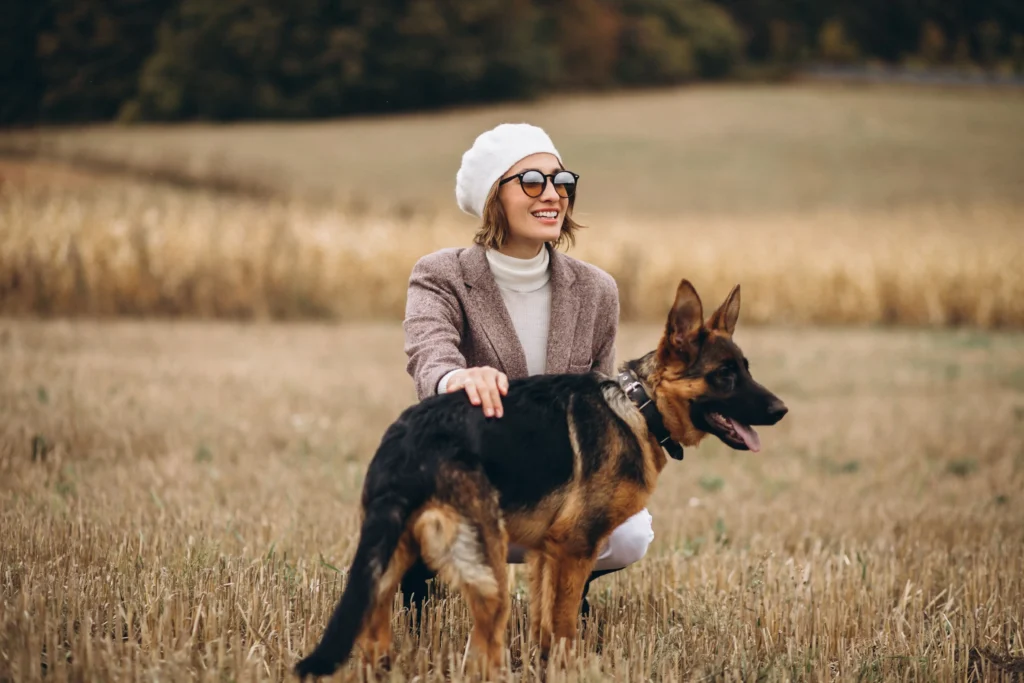
German Shepherd Dog
The German Shepherd Dog is one of the best-known German dog breeds. It was developed for herding but became famous for police work, military service, search and rescue, assistance work, obedience, and protection sports.
German Shepherds are usually confident, alert, trainable, and loyal. They bond strongly with their family and need daily mental work. A bored German Shepherd may develop barking, chasing, chewing, or anxiety-related behavior.
Typical traits:
| Trait | Details |
| Size | Large |
| Coat | Dense double coat |
| Exercise | High |
| Training need | High |
| Best for | Active owners, working homes, experienced families |
| Common risks | Hip dysplasia, elbow dysplasia, degenerative myelopathy, bloat |
AKC lists the German Shepherd Dog as a large breed with males commonly standing 24–26 inches and females 22–24 inches.
Rottweiler
The Rottweiler is a powerful German working breed associated with cattle droving, guarding, and cart work. A well-bred and well-trained Rottweiler is calm, confident, and deeply attached to its household.
Rottweilers need early socialization, obedience training, and firm but fair handling. They are not ideal for owners who want a low-effort dog. Their size and strength require control, consistency, and responsible ownership.
Typical traits:
| Trait | Details |
| Size | Large |
| Coat | Short, dense |
| Exercise | Medium to high |
| Training need | High |
| Best for | Experienced owners, structured homes |
| Common risks | Hip dysplasia, elbow dysplasia, heart disease, bloat |
Great Dane
The Great Dane, or Deutsche Dogge, is a giant German breed historically linked with hunting and estate guarding. Despite its size, the breed is often calm indoors when properly exercised.
Great Danes need space, careful feeding, joint protection, and veterinary monitoring. Their size increases the cost of food, bedding, transport, medication, and emergency care.
| Trait | Details |
| Size | Giant |
| Coat | Short |
| Exercise | Moderate |
| Training need | Medium |
| Best for | Homes with space, calm families |
| Common risks | Bloat, heart disease, orthopedic issues |
Great Danes are not high-endurance dogs like German Shorthaired Pointers, but they still need daily walks, controlled movement, and weight management.
Giant Schnauzer
The Giant Schnauzer is the largest Schnauzer type and was developed for driving cattle and guarding property. It is strong, intelligent, protective, and energetic.
This breed needs a confident owner. Giant Schnauzers usually require advanced training, daily exercise, and regular grooming. Their wiry coat needs clipping or hand-stripping depending on the owner’s grooming goals.
Typical traits:
| Trait | Details |
| Size | Large |
| Coat | Wiry |
| Exercise | High |
| Training need | High |
| Best for | Experienced active owners |
| Common risks | Hip issues, eye conditions, bloat |
Medium German Dog Breeds
Boxer
The Boxer is a German working breed known for energy, playfulness, and strong family attachment. Boxers are often affectionate with people, but they can be intense, bouncy, and slow to mature.
They need exercise, training, and impulse control from a young age. A Boxer that receives daily activity and clear boundaries can become a loyal family companion.
Typical traits:
| Trait | Details |
| Size | Medium-large |
| Coat | Short |
| Exercise | High |
| Training need | Medium-high |
| Best for | Active families |
| Common risks | Heart disease, cancer, hip issues, heat sensitivity |
Because Boxers are short-coated and often heat-sensitive, owners should avoid heavy exercise during hot weather.
Doberman Pinscher
The Doberman Pinscher was developed in Germany as a protection and working dog. It is athletic, alert, loyal, and highly responsive to training.
Dobermans are not casual backyard dogs. They need close human contact, daily structure, and consistent obedience training. Without enough exercise or mental work, they may become restless or anxious.
Typical traits:
| Trait | Details |
| Size | Large |
| Coat | Short |
| Exercise | High |
| Training need | High |
| Best for | Experienced owners |
| Common risks | Dilated cardiomyopathy, von Willebrand disease, cervical spine issues |
Weimaraner
The Weimaraner is a German hunting breed recognized for stamina, speed, and a sleek silver-gray coat. It was bred to work closely with hunters and still needs high daily activity.
Weimaraners are not ideal for inactive households. They often struggle when left alone for long hours without exercise, training, or enrichment.
Typical traits:
| Trait | Details |
| Size | Large |
| Coat | Short |
| Exercise | Very high |
| Training need | High |
| Best for | Runners, hunters, outdoor owners |
| Common risks | Bloat, hip dysplasia, separation-related behavior |
German Shorthaired Pointer
The German Shorthaired Pointer is one of Germany’s most athletic hunting breeds. It points, retrieves, tracks, and works across land and water.
This breed needs more than a short walk. It does best with running, field work, scent games, hiking, swimming, or dog sports.
Typical traits:
| Trait | Details |
| Size | Medium-large |
| Coat | Short |
| Exercise | Very high |
| Training need | High |
| Best for | Sporting homes |
| Common risks | Hip dysplasia, bloat, ear infections |
German Wirehaired Pointer
The German Wirehaired Pointer has a weather-resistant wiry coat and strong hunting drive. It is rugged, intelligent, and active.
This breed suits owners who enjoy outdoor work and training. The coat needs brushing and occasional hand-stripping or trimming.
Typical traits:
| Trait | Details |
| Size | Medium-large |
| Coat | Wiry |
| Exercise | Very high |
| Training need | High |
| Best for | Hunting and field homes |
| Common risks | Hip issues, eye conditions, ear infections |
Standard Schnauzer
The Standard Schnauzer is the original Schnauzer size. It was used as a farm dog, guard dog, and vermin controller.
Standard Schnauzers are alert, clever, and sometimes stubborn. They need training that is consistent rather than harsh. Their wiry coat requires regular grooming.
Typical traits:
| Trait | Details |
| Size | Medium |
| Coat | Wiry |
| Exercise | Medium-high |
| Training need | Medium-high |
| Best for | Active families |
| Common risks | Eye issues, hip concerns, coat maintenance problems |
Small German Dog Breeds
Dachshund
The Dachshund is one of the most recognizable German dog breeds. It was developed to hunt badgers and other burrowing animals. Its long body, short legs, strong chest, and bold character all come from that purpose.
Dachshunds may be small, but they are not fragile in personality. They are alert, brave, vocal, and often independent. Their body shape requires special care because spinal injury risk is higher than in many other breeds.
Typical traits:
| Trait | Details |
| Size | Small |
| Coat | Smooth, longhaired, or wirehaired |
| Exercise | Medium |
| Training need | Medium |
| Best for | Small homes, careful owners |
| Common risks | Intervertebral disc disease, obesity, dental disease |
Dachshund owners should manage weight carefully, limit repeated jumping, use ramps where helpful, and avoid rough handling.
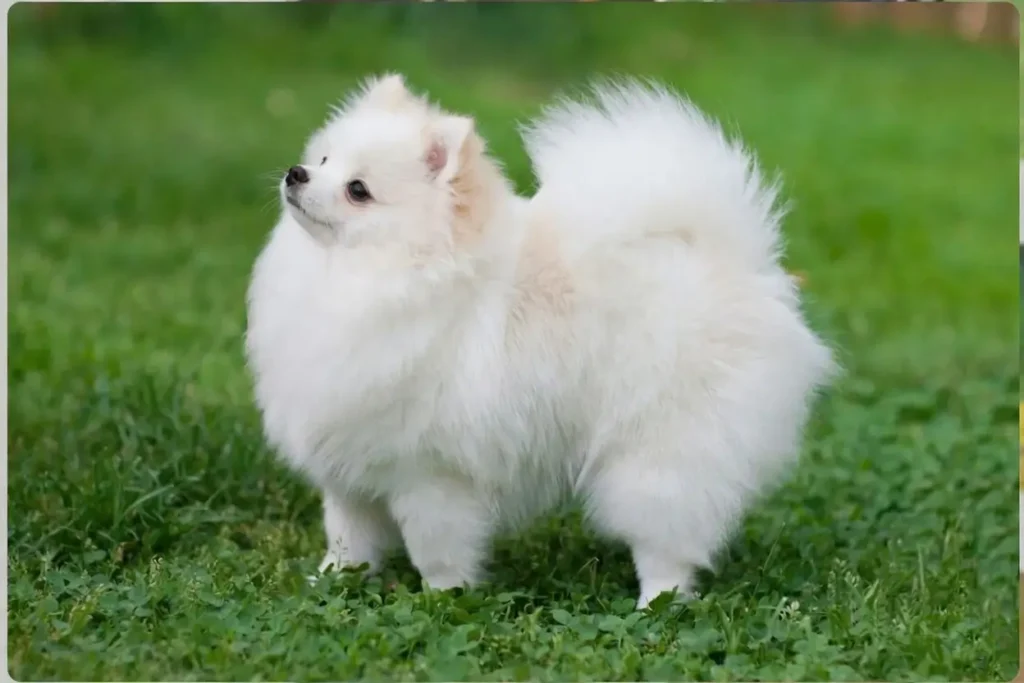
Pomeranian
The Pomeranian descends from German Spitz-type dogs. It is small, lively, alert, and heavily coated.
Pomeranians can live well in apartments, but they still need daily walks, brushing, dental care, and training. Their small size should not be confused with low maintenance.
Typical traits:
| Trait | Details |
| Size | Toy |
| Coat | Thick double coat |
| Exercise | Medium |
| Training need | Medium |
| Best for | Apartment owners |
| Common risks | Dental disease, luxating patella, tracheal collapse |
Miniature Schnauzer
The Miniature Schnauzer is a small German breed with a wiry coat, beard, and alert expression. It was developed from farm and ratting dogs and remains energetic, vocal, and intelligent.
Miniature Schnauzers are usually adaptable. They can suit apartments or houses if they receive daily walks, grooming, and mental stimulation.
Typical traits:
| Trait | Details |
| Size | Small |
| Coat | Wiry |
| Exercise | Medium |
| Training need | Medium |
| Best for | Families, apartments, active seniors |
| Common risks | Pancreatitis, bladder stones, dental disease |
German Pinscher
The German Pinscher is a medium-small breed with a smooth coat, athletic body, and lively temperament. It is alert, quick, and confident.
This breed needs training and movement. It may chase small animals because of its vermin-control background.
Typical traits:
| Trait | Details |
| Size | Small-medium |
| Coat | Short |
| Exercise | Medium-high |
| Training need | Medium-high |
| Best for | Active homes |
| Common risks | Eye issues, hip concerns, von Willebrand disease |
Affenpinscher
The Affenpinscher is a small German toy breed with a rough coat and expressive face. It was historically used for vermin control and later became a companion dog.
Affenpinschers are bold, curious, and sometimes comical. They suit owners who want a small dog with personality rather than a passive lap dog.
Typical traits:
| Trait | Details |
| Size | Toy |
| Coat | Rough |
| Exercise | Low to medium |
| Training need | Medium |
| Best for | Apartment homes |
| Common risks | Dental disease, patellar luxation, breathing concerns in some dogs |
Hunting German Dog Breeds
Germany produced several hunting breeds that remain active today. These breeds usually need more exercise and training than average companion dogs.
Common German hunting breeds include:
- German Shorthaired Pointer
- German Wirehaired Pointer
- Weimaraner
- Dachshund
- Jagdterrier
- German Longhaired Pointer
- Small Münsterländer
- Large Münsterländer
- Hanoverian Scenthound
- Bavarian Mountain Scenthound
These dogs often have strong scent drive, prey drive, stamina, and independence. They are best suited to owners who can provide field training, scent games, long walks, or structured sport.
German Guarding and Working Breeds
Some German dog breeds were developed for guarding, protection, herding, or service work.
Common examples include:
- German Shepherd Dog
- Rottweiler
- Doberman Pinscher
- Boxer
- Giant Schnauzer
- Hovawart
- Leonberger
These breeds need early socialization. Protection instinct without training can become reactivity, fear, or poor control. A responsible owner should focus on obedience, neutrality around strangers, leash manners, and calm behavior in public.
German Companion Breeds
Not every German breed is a large working dog. Germany also produced smaller companion breeds and adaptable household dogs.
Common companion-friendly German breeds include:
- Pomeranian
- Miniature Schnauzer
- Affenpinscher
- Dachshund
- German Spitz
- Keeshond / Wolfspitz
These breeds may fit apartments, but they still need training. Many small German breeds are alert and vocal. Owners should teach quiet behavior, polite greeting, and comfortable alone time early.
Health Risks in German Dog Breeds
German dog breeds vary widely in health risk because they differ in size, body shape, coat type, and working history. A Great Dane does not carry the same risks as a Dachshund, and a Pomeranian does not need the same care plan as a German Shorthaired Pointer.
Common risks in large German breeds
Large and giant German breeds may be more prone to:
- Hip dysplasia
- Elbow dysplasia
- Gastric dilatation-volvulus, also called bloat
- Heart disease
- Joint stress from excess weight
- Shorter average lifespan compared with many small breeds
German Shepherds, Rottweilers, Great Danes, Dobermans, and Giant Schnauzers need weight control, controlled exercise during growth, orthopedic screening where appropriate, and regular veterinary monitoring.
Common risks in small German breeds
Small German breeds may be more prone to:
- Dental disease
- Patellar luxation
- Tracheal collapse in toy breeds
- Obesity
- Spinal injury in long-backed breeds such as Dachshunds
Dachshunds need special attention to back protection. Pomeranians and Affenpinschers need consistent dental care because small breeds commonly develop dental problems earlier than large breeds.
Do all German breeds need the same health tests?
No. Health testing depends on the breed. A responsible breeder should follow the requirements of the relevant kennel club, breed club, or registry.
Common screening categories include:
- Hip evaluation
- Elbow evaluation
- Eye examination
- Cardiac screening
- DNA tests for breed-specific inherited conditions
- Temperament or working-suitability evaluation where relevant
A buyer should ask for written proof, not verbal promises.
Exercise Needs by German Breed Type
High-exercise German breeds
These breeds usually need the most daily activity:
- German Shorthaired Pointer
- German Wirehaired Pointer
- Weimaraner
- German Shepherd Dog
- Doberman Pinscher
- Giant Schnauzer
- Boxer
Most of these dogs need 60–120 minutes of daily activity, depending on age, health, and conditioning. They also need mental work such as obedience, scent games, tracking, retrieving, puzzle feeding, or sport training.
Moderate-exercise German breeds
These breeds often fit owners who can provide steady daily walks and training but not intense sport work:
- Rottweiler
- Standard Schnauzer
- German Pinscher
- Adult Boxer
- Dachshund
Moderate does not mean inactive. These breeds still need routine, leash training, and enrichment.
Lower-exercise German breeds
Some German breeds can suit calmer homes when their needs are met:
- Great Dane
- Pomeranian
- Affenpinscher
- Senior German breeds
- Some Miniature Schnauzers
Lower-exercise breeds still need daily walks, play, social contact, and mental stimulation.
Grooming Needs of German Dog Breeds
Double-coated German breeds
German Shepherds, Pomeranians, German Spitz, and Keeshonds have double coats. They need regular brushing, especially during seasonal shedding.
Useful tools include:
- Slicker brush
- Undercoat rake
- Metal comb
- De-shedding tool used carefully
Double-coated breeds should not be shaved without veterinary or professional grooming advice because the coat helps regulate temperature and protect the skin.
Short-coated German breeds
Boxers, Dobermans, Great Danes, Weimaraners, German Shorthaired Pointers, and Rottweilers have short coats. They are easier to brush but still need skin checks, nail trimming, ear care, and dental care.
Useful tools include:
- Rubber grooming mitt
- Soft bristle brush
- Nail grinder or clippers
- Dog toothbrush and toothpaste
Wire-coated German breeds
Schnauzers, German Wirehaired Pointers, Affenpinschers, and some Dachshunds have wiry coats. These coats need more technical grooming.
Common needs include:
- Brushing several times weekly
- Beard cleaning
- Coat trimming or hand-stripping
- Professional grooming every 6–8 weeks for many pets
Choosing the Right German Dog Breed
The best German dog breed is not the most famous one. It is the breed whose needs match your daily life.
Before choosing, ask:
- How much time can I give the dog every day?
- Do I want a walking companion or a serious working dog?
- Can I afford breed-specific health care?
- Do I have experience with strong or protective breeds?
- Does my home allow barking, shedding, and space for movement?
- Am I prepared for grooming costs?
- Can I train consistently for the next 10–15 years?
A German Shepherd may be ideal for one owner and overwhelming for another. A Dachshund may fit a small home but still need careful handling and weight control. A Great Dane may be calm indoors but expensive to feed and treat. A Pomeranian may be tiny but still requires grooming, dental care, and training.
How to Find a Responsible German Dog Breeder
A responsible breeder should be transparent, patient, and focused on health and temperament.
Look for:
- Health testing records for both parents
- Breed-club or kennel-club involvement
- Clean living conditions
- Clear puppy socialization process
- Written contract
- Willingness to answer questions
- No pressure to buy immediately
- Lifetime support or return policy
Avoid breeders who always have many unrelated litters available, refuse health documentation, avoid questions, or sell puppies only through online payment and shipping.
German Breed Rescue and Adoption
German dog breeds are also available through rescue groups and shelters. German Shepherds, Rottweilers, Dobermans, Dachshunds, Boxers, and Schnauzers often have breed-specific rescue networks.
Adoption can be a good option because many adult rescue dogs already have known temperaments. A rescue may also provide basic training notes, medical history, foster observations, and compatibility information.
The usual adoption process may include:
- Application
- Interview
- Reference check
- Home check
- Meet-and-greet
- Trial placement or adoption contract
Best German Dog Breeds by Owner Type
| Owner type | Better German breed options |
| First-time owner | Miniature Schnauzer, Pomeranian, well-bred adult Dachshund |
| Active family | Boxer, Standard Schnauzer, German Shepherd |
| Runner or hiker | Weimaraner, German Shorthaired Pointer, German Wirehaired Pointer |
| Apartment owner | Pomeranian, Miniature Schnauzer, Affenpinscher, Dachshund |
| Experienced working-dog owner | German Shepherd, Doberman, Giant Schnauzer, Rottweiler |
| Calm household with space | Great Dane, Leonberger |
| Hunting or field home | Weimaraner, German Shorthaired Pointer, German Wirehaired Pointer, Small Münsterländer |
Are German Dog Breeds Good Family Dogs?
Many German dog breeds can be excellent family dogs when their needs are met. Boxers are often playful and people-focused. German Shepherds can be loyal and protective. Miniature Schnauzers are adaptable and alert. Great Danes are often gentle indoors. Dachshunds can be affectionate and entertaining.
The key is matching the breed to the household. Families with young children should consider size, jumping, prey drive, guarding instinct, noise level, grooming, and injury risk. Children should also be taught how to interact safely with dogs.
Final Thoughts
German dog breeds are diverse. They include giant estate dogs, compact hunting dogs, high-drive sporting dogs, serious protection breeds, and small companion dogs. Their shared strength is purpose. Most were developed to do a job, and that history still shapes their behavior today.
A German dog breed can be a loyal family companion, a working partner, or an active sport dog. The right choice depends on honest planning: space, time, training skill, exercise, grooming, and health budget.
For most owners, the best German dog is not simply the most popular one. It is the breed whose temperament, care needs, and long-term risks fit the life you can provide every day.
FAQs About German Dog Breeds
What is the most popular German dog breed?
The German Shepherd Dog is one of the most recognized German breeds worldwide because of its role in service work, police work, protection, sport, and family companionship.
What is the smallest German dog breed?
The Pomeranian, Affenpinscher, and Miniature Dachshund are among the smallest German-origin breeds.
Which German dog breed is best for families?
Boxers, Miniature Schnauzers, Standard Schnauzers, and well-trained German Shepherds can suit families. The best choice depends on the family’s activity level, dog experience, space, and training commitment.
Which German dog breed needs the most exercise?
German Shorthaired Pointers, German Wirehaired Pointers, Weimaraners, Dobermans, and German Shepherds usually need the most daily exercise and mental work.
Are German dog breeds easy to train?
Many German dog breeds are intelligent and trainable, but intelligence does not always mean easy. German Shepherds, Dobermans, Rottweilers, Schnauzers, and hunting breeds need consistent training and clear routines.
Which German dog breed is best for apartments?
Pomeranians, Miniature Schnauzers, Affenpinschers, and Dachshunds can live in apartments if they receive daily exercise, training, and barking control.
Do German dog breeds have more health problems?
Not as a group. Health risk depends on the specific breed, breeding line, size, and body shape. Large breeds may face joint and bloat risks, while small breeds may face dental, patella, airway, or spinal risks.
What should I ask before buying a German dog breed?
Ask for health tests, pedigree information, parent temperament, vaccination records, socialization details, contract terms, and breed-club involvement. A responsible breeder should provide written proof.