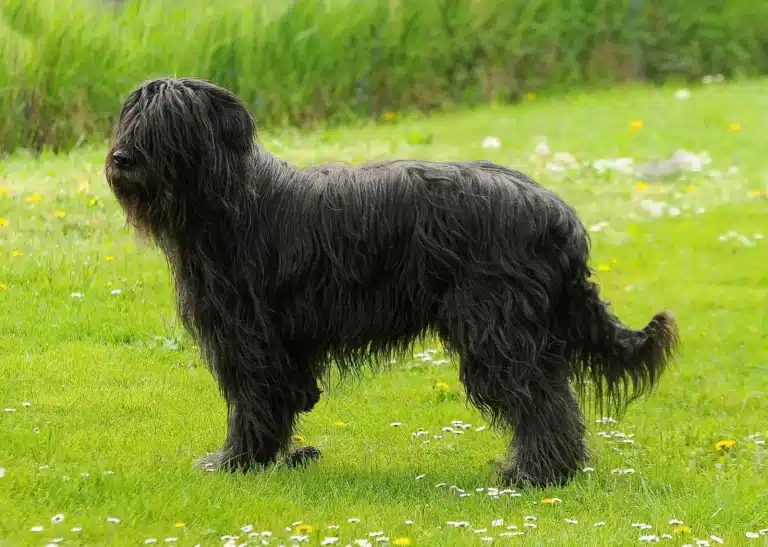
The Black Russian terrier, commonly referred to as the Black Pearl of Russia, is one of the most fascinating species of dogs that has ever been developed. Part protector, laborer, family friend, and soft giant, this breed has a history that has been sewn together with the use of will, training, and intent. It is behind their commanding look that there is a personality that is full of warmth, loyalty, and mild devotion that makes them memorable once you have the privilege of living near one.
Since their appearance in the military of the Soviet Union, Black Russian Terriers have become not only a breed but also a legacy since that time when they were family guards. Understanding that a legacy is essential for anyone considering adding this remarkable dog to their life.
This comprehensive blog dives deep into the history, temperament, care needs, grooming requirements, training philosophies, health concerns, feeding routines, and lifestyle demands of the Black Russian Terrier, giving you everything you need to know about this powerful yet tender breed.
History of the Black Russian Terrier
A Dog Built With Purpose
While most dog breeds evolved naturally over centuries, the Black Russian Terrier’s story is different. Their existence wasn’t an accident—it was a project.
In the years following World War II, the Soviet Union found itself in need of a large, versatile, powerful military dog that could work in extreme conditions. The Soviet Red Army’s specialized kennel, known as the Red Star Kennel, took on the ambitious task of engineering such a breed.
Unlike breeds created for herding or companionship, the Black Russian Terrier—BRT for short—was designed for military checkpoints, border patrol, guard duties, and prisoner control. This wasn’t a casual breeding effort; it was a scientifically planned program with a clear objective: create a dog that was tough, fearless, intelligent, and obedient.
A Blend of Over a Dozen Breeds
To achieve this, breeders hybridized several large, intelligent working dogs. Among the most influential were:
- Rottweiler
- Giant Schnauzer
- Airedale Terrier
- Newfoundland
- Moscow Water Dog
- Caucasian Ovcharka
- Great Dane
- Asian Shepherd Dogs
The result? A muscular, confident, highly trainable dog that remained stable under pressure and could adapt to any environment.
Although named a “terrier,” the BRT isn’t a true terrier in function or temperament. The name reflected the Russian desire to associate the breed with grit and determination, traits commonly linked to terriers, even though their lineage is primarily working-group based.
From Military Dog to Beloved Companion
By the 1950s and 60s, Black Russian Terriers were seen more widely across the Soviet Union, eventually catching the attention of civilian dog enthusiasts. When the breeders relaxed the rules and bred more temperament in the Black Russian Terriers, it was introduced to the civilian life of the breed, first in Russia, and then in Europe and North America.
Today, BRTs still work as
- Guard dogs
- Search-and-rescue dogs
- Service and support dogs
- Agility dogs and competitive obedience dogs
However, the most loved role of them by far is that of a companion within the family with unparalleled loyalty.
Aesthetics: The Strength and the Beauty of the Black Russian Terrier
Impressive Size and Structure
A Black Russian Terrier is constructed like a fortress: solid and balanced, silent, and powerful.
- Height: 26–30 inches at the shoulder
- Weight: 80–130 pounds, sometimes more
- Body Type: Muscular, powerful, and squarely proportioned
- Coat: Dense, double-layered, and black
- Expression: Sharp, observant, dignified
The signature traits of the breed are that it is thick-bearded, has bushy eyebrows, and has a wiry coat that makes it look rugged and unmistakable, and makes it command attention and respect.
The Signature Coat
A Black Russian Terrier has more than a coat to show off; it has one to wear. The coat, made against the harsh winters of Russia, is
- Water-resistant
- Wind-resistant
- Protective against thorns and rough terrain
They do not shed much, but their coat has to be groomed, and we will go into greater detail about this need later.
Caring for a Black Russian Terrier
Temperament: What Kind of Personality Does a Black Russian Terrier Have?
Black Russian Terriers possess a remarkable combination of traits:
- Calm and confident
- Highly intelligent
- Guardian rather than belligerent unnecessarily
- Devoted to their family
- Introvert by nature with new acquaintances
- Socialized and trained to be excellent with children
They develop a close attachment to humans and tend to form a strong, lasting relationship with them that cannot be easily broken. Though they will not jump on strangers to make love, they are not always hostile, only critical.
A well-trained BRT will step aside politely for visitors, keep a watchful eye on the environment, and return to their family’s side once they’ve assessed the situation. They are naturally dignified and composed.
Exercise Needs: Are Black Russian Terriers High-Energy Dogs?
Yes, but not in the overwhelming way some other working breeds are.
The Black Russian Terrier is not a hyperactive dog. They are best described as:
- Moderately active
- Steady
- Purposeful
They do need to exercise every day, normally two long walks and playtime or mental activity. They love activities such as
- Fetch
- Hiking
- Swimming
- Structured games
- Training sessions
Because they are mentally sharp, they need intellectual challenges just as much as physical movement.
A bored BRT will find its own entertainment—and you may not appreciate their creativity when left to their own devices.
Is a Black Russian Terrier Good With Strangers?
No—at least, not naturally.
This breed is aloof, not fearful or aggressive, but cautious and observant. With strangers, they maintain a stable, reserved demeanor. Good socialization is critical to ensuring they become well-balanced and tolerant.
When raised properly, a BRT will:
- Remain calm around visitors
- Avoid unnecessary barking
- Demonstrate confident self-control
This is one reason early exposure to different environments is essential.
Grooming Needs of a Black Russian Terrier
Why Does a Black Russian Terrier Require So Much Grooming?
Because their dense, wiry, double coat mats if neglected.
Grooming is part of owning this breed—it’s not optional. Their coat grows continuously and must be maintained.
Routine Grooming Requirements
- Brush 3–4 times per week
- Trim coat every 6–10 weeks
- Trim around the beard, ears, and paws monthly
- Check for mats behind ears, under limbs, and around the neck
Despite the heavy coat, they are not heavy shedders—but mats can form quickly if the coat is ignored.
Skin Care
BRTs possess good skin, although frequent examinations of
- Dryness
- Irritation
- Allergic reactions
- Parasites
Should be included in normal care.
Eye Care
Their eyes are deeply set and well-protected, so eye issues are minimal. Wiping around the eyes periodically prevents buildup and staining.
Ear Care
Because of their floppy ears, moisture can accumulate. Weekly inspections and occasional cleaning help prevent infections.
Black Russian Terrier Health Issues
Though typically robust, BRTs can develop certain conditions. Prevention and early detection are dependent on awareness.
Hip & Elbow Dysplasia
Black Russian Terriers are like many large breeds and tend to have joint complications.
Symptoms include:
- Difficulty rising
- Stiffness
- Limping
- Fear of jumping or walking up stairs
These conditions are a combination of genetics, diet, and exercise. The reduction of risk is achieved by screening parents before breeding.
Bloat / GDV (Gastric Dilatation-Volvulus)
A life-threatening emergency in which the stomach fills with gas and may twist.
Signs include:
- Retching without producing anything
- Swollen abdomen
- Restlessness
- Excessive drooling
This requires immediate veterinary care. A preventative surgery called gastropexy can reduce the risk.
Progressive Retinal Atrophy (PRA)
A degenerative eye disease that can lead to blindness. There is no cure, but early detection helps owners manage the condition.
Hyperuricosuria
A urinary condition that leads to stones and blockages. Dietary management is typically required.
Feeding a Black Russian Terrier
What Should You Feed a Black Russian Terrier?
A large working breed requires a diet that supports:
- Healthy joints
- Muscle development
- Heart health
- Controlled growth in puppies
High-quality commercial foods formulated for large breeds work well. Always check for the AAFCO statement confirming nutritional adequacy.
How Should You Feed Them?
Black Russian Terriers benefit from:
- Scheduled meals
- 3–4 meals/day for puppies
- 2 meals/day for adults
- Slow feeder bowls (to reduce bloat risk)
- No exercise immediately before or after meals
How Much to Feed
There is no one-size-fits-all portion. Factors include:
- Age
- Activity level
- Weight
- Metabolism
Check on body state and change food accordingly.
Nutritional Supplements
Commonly recommended:
- Glucosamine & chondroitin (joint health)
- Omega-3 fatty acids (skin, coat, joints)
- Probiotics (digestive health)
Always consult your veterinarian before starting supplements.
Black Russian Terrier Behavior and Training
Are Black Russian Terriers Hard to Train?
No, if you understand how to train a working dog.
They are exceptionally intelligent and learn quickly. However, they require:
- Consistent routines
- Positive reinforcement
- A confident handler
- Regular mental stimulation
Harsh training methods do not work for this breed.
Personality Traits
BRTs are:
- Thoughtful
- Observant
- Composed
- Loyal
- Quietly affectionate
They desire to be close to their population and to feed on the rich intercourse. This is no kind of breed that likes solitude and being left out.
Training Requirements
To bring up a healthy Black Russian Terrier:
- Start training immediately
- Begin socialization early
- Introduce them to different individuals, sounds, and environments
- Teach impulse control
- Reinforce calm behavior
Fun Activities for BRTs
They enjoy:
- Swimming
- Hiking
- Fetch
- Agility
- Obedience competitions
- Nosework
These events keep them active and contented
Grooming Guide
Coat Care in Detail
A BRT’s coat is unique—dense, wiry, and protective. It can grow long enough to obscure visibility and movement if not maintained.
Brushing Routine
To prevent matting:
- Brush several times a week
- Use a slicker brush, a metal comb, and dematting tools
- Pay attention to friction areas
- Use detangling spray when needed
Professional Grooming
Many owners choose professional grooming every 8–10 weeks to maintain shape, hygiene, and coat health.
Skin & Ear Care
Most problems are avoided due to regular inspections and regular cleaning routines. Dogs with allergies may benefit from omega-3 supplements.
Lifestyle and Living Requirements
Can Black Russian Terriers Live in Apartments?
Yes, but only with very committed owners.
While size isn’t the main issue, their need for
- Exercise
- Mental stimulation
- Personal space
means apartment life can be challenging. They thrive best in homes with a yard, but can adapt if their needs are met.
Are They Good With Children?
Yes, when socialized and trained in a proper way.
They are kind giants and tend to grow close to children. Supervision is always recommended due to their size.
Do They Get Along With Other Pets?
Yes—with proper introductions.
A well-socialized BRT can live harmoniously with:
- Other dogs
- Cats
- Livestock
- Small animals (with supervision)
They are not naturally aggressive toward other animals but must be guided from a young age.
Are Black Russian Terriers Good Guard Dogs?
Yes—exceptionally so.
They have been developed to guard and protect, and they are just good at that. They are not easily aroused but will react fast when an actual threat occurs.
Pros and Cons of the Black Russian Terrier
Pros
- Loyal and devoted
- Motivated and simple to educate
- Family defenders of excellence
- Good with children
- Low shedding
- Versatile and adaptable
Cons
- Very intensive grooming is needed
- Needs regular training and socialisation
- Big and heavy—must be dealt with
- Not suitable for novice dog owners
- Can be wary of strangers
- Likes physical and mental stimulation
Future Owner Investigations
Being the owner of a Black Russian Terrier is a responsibility. They do best in homes where:
- Humans are often present
- Training is prioritized
- The routine includes grooming
- Exercising is a must every day
They are not a good match for:
- Inexperienced dog owners
- People who have a lot of travel
- Sedentary families
- Homes that do not have time to train
However, a Black Russian Terrier is one of the most rewarding and loving companions money can buy to the right family
Black Russian Terrier FAQs
Is a Black Russian Terrier a good family dog?
Yes. With proper training and socialization, they are excellent family dogs—loyal, protective, and affectionate.
How much does a Black Russian Terrier cost?
Expect $1,500–$3,000 on average, with high-quality lines costing more.
Are Black Russian terrains peaceful?
Yes, of course, they are naturally quiet and confident, particularly with proper training and exercise.
Conclusion: The Eternal Life of the Black Russian Terrier
The Black Russian Terrier is a breed that cannot be neglected. They are embedded in the history of a nation, their physique is made by the selective breeding to be strong and resilient, and their hearts are packed with the loyalty that is unendingly deep.
To share your life with a Black Russian Terrier is to gain:
- A protector
- A companion
- A loyal friend
- A thoughtful observer
- A gentle giant
They do not suit all people, but those who know and appreciate their needs will find them the most remarkable companion you will ever wish to enlist in your household.
The Black Russian Terrier is a symbol of decency, loyalty, and undying power, whether he is standing by your side, lying down at your feet, or simply keeping an eye on your family.