

One of the most effective things you can do in order to make sure that your dog stays healthy, active, and happy in the long-term is feeding it properly. Today, the available options are enormous, including the classic wet dog food and fresh meal delivery, such as Sundays for Dogs, or homemade or DIY diets. There are numerous alternatives, and it may be difficult to identify which food is really helpful and which one is a simple trend among dog’s owners. Consumption of the incorrect type of food, or poor feeding of it, may cause health problems, including obesity, nutrient deficiencies, or problems with the gastrointestinal system.
As professionals in the health of animals, veterinarians propose feeding strategies built on the principles of balanced nutrition, digestibility, and appropriateness to the unique needs of a particular dog. This blog will discuss the process of choosing wet dog food that has been approved by the vet, analyse the special products of Sundays for Dogs and give tips on proper freezing and consumption of fresh food. They can help dog owners make informed decisions to ensure the best health and maximum lifespan of their canine companions by learning these aspects.
Part 1- What Veterinarians Check in Wet Dog Food
Veterinarians stress that wet dog food must be complete and balanced in line with the nutrition standards, including those of the Association of American Feed Control Officials (AAFCO) (FDA, 2020). Complete and balanced foods contain all the necessary nutrients, protein, fats, carbohydrates, vitamins, and minerals in the proper proportions for the life stage of the dog.
Dogs that have specific health issues like dental problems, digestive sensitivities, or that do not drink much water, especially enjoy wet food because it contains more water. Old dogs, or those sick or having surgery, may also find wet food easier to chew.
Key Elements Vets Look At
Protein quality and digestibility: The quality of the protein should be of high quality, such as chicken, beef, lamb or fish, in order to keep the mass of the muscle, tissue repairing, and overall health. According to the vets, food containing unspecified meat by-products is to be avoided since they can be low in nutritional value.
Adequate amount of calories and fats: The amount of calories and fats required by the dogs depends on their age, breed, activity and health status. Active breeds and puppies may need more calories, and the more sedentary dogs need an average amount of calories so that they do not gain weight.
Omega-3 and Omega-6 fatty acids: Essential fatty acids help keep the skin and coats healthy, decrease inflammation and assist in cognitive and joint health in older dogs.
Vitamins and minerals: Vitamin A is very vital since it supplies the bone with calcium, phosphorus, zinc, and B vitamins, which are very important to the bones, immunity, and metabolism.
The most commonly prescribed by the veterinarians are Royal Canin, Hill’s science diet, Purina Pro plan and Wellness brands, which contain puppy, adult and old dog formulas. Both brands are concerned with the study of nutrition and quality control, which should be as high as that of the veterinary.
Part 2 – Why Wet Food Can Be Good
Wet food has a number of advantages that make it an appealing food to many dog owners:
Hydration Support
It is a common practice among dogs that they lack adequate water consumption, particularly dogs that feed solely on dry kibble. Wet dog food has more moisture content that contributes to good hydration. Kidney work, digestions and health in general require adequate hydration, especially in an elderly dog or any with a medical condition like urinary tract problems.
Enhanced Palatability
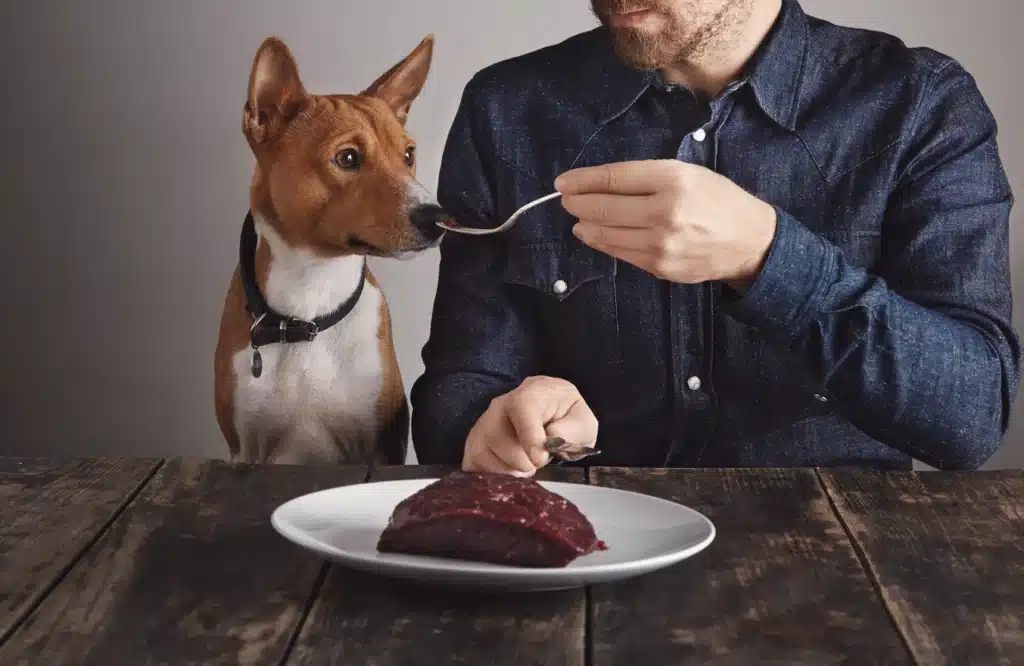
Wet food tends to be more delicious and fragrant, which is why it is mostly suited to picky eaters. Older, sick or stressed dogs can be especially motivated to consume wet food so that they get the necessary nutrients regularly.
Texture Benefits
Wet food has a softer, sweeter texture and may be better on the gums and teeth, especially with old dogs or dogs with sensitive mouths. It can decrease the chances of dental fractures or pain during eating.
When wet food has been opened, it is important to keep it properly stored. Usually, it ought to be fridged and consumed in a matter of days. Wet food, when combined with sufficient amounts of food depending on their caloric requirements, will avoid obesity and associated health issues.
Part 3 Sundays for Dogs: What You Need to Know
Sundays for Dogs is a comparatively recent brand of dog food that has attracted some attention based on human-grade, air-dried ingredients and packaged conveniently and shelf-stable. In contrast to conventional wet or canned dog food, Sundays are meant to be a complete meal, easy to store and very palatable.
How It Works
In order to begin, pet owners take a brief questionnaire concerning the age, weight, activity level, and eating habits of their dog. Sundays, based on this information, customizes meals, which are developed by nutritionists and by vet specialists. This strategy will help in ensuring every dog is supplied with the nutrients that suit their size, age, and lifestyle.
Pros
Vet-based formulation: Dieticians and veterinarians are engaged in the development of balanced recipes.
Natural ingredients used in human-grade: The food contains a high quality of natural ingredients, free of fillers and preservatives.
Stable convenience: Shelf-stable means that meals do not require refrigeration before opening them, but can be stored at room temperature.
Cons & Considerations
Freshness following openings: According to fresh food consumers, the air-dried meals are expected to be eaten within a few weeks after opening in order to ensure the best taste and quality.
Fat content: some of the formulas can contain higher amounts of fat and this may not be favorable to dogs with weight issues or with certain medical conditions.
Although Sundays provides a one-stop, high-quality solution to regular wet food, it is imperative to consult your veterinarian on any modifications in the diet to suit the needs of your dog.
Part 4 -Does Fresh Dog Food Freeze?
Freezing commercially prepared fresh dog food is a useful way to extend the time frame in which they can remain unspoiled before mealtime. Fresh dog food typically will only have a shelf life of one to three days when kept in a refrigerator; however, if it has been packed correctly (i.e. using vacuum-sealed containers) and frozen at a constant temperature of 0°F (-18°C) or less, it will retain its nutritional value and remain safe to eat for up to 3 months (Alsailawi et al., 2020).
Freezing and Serving Best Practices
Portion control: Break the meals into single portions and freeze. This saves on waste and thawing is made easier.
Labelling: The packaging should be clearly marked with the date of freezing to observe freshness.
Eat the meals right away: Fresh meals need to be consumed in a few days. Freezing again may negatively affect quality and safety.
Fresh dog food is also beneficial to freeze to help in meal planning, travelling or keeping multiple pets with different feeding requirements. It enables owners of dogs to have regular feeding routines without interfering with nutrition.

Other Wet or Fresh Feeding Meal Tips
Smoothing transitions: During a change of dog food, the transition of the new food must occur over a time span of 7-10 days to limit the likelihood of the food causing digestive upset (Koehler, 2025).
Check allergies: Check food allergies: remember about the allergies to food and vomiting, or diarrhea and inform your vet in case it occurs.
Divide based on activity: More active dogs have more energy requirements, and less active dogs have lower energy needs.
Hydrate him/her: even though it is wet, make sure that your dog has access to clean drinking water at all times.
Combination feeding: There are owners who feed their dogs with a combination of wet and dry food but the overall caloric intake should be the one that is right and adjusted to the needs of your dog.
Conclusion
The choice of the right dog food depends on the nutritional value, the particular requirements of your dog, in health issues and the practicality of life. The recommended traditional wet food will have all the necessary nutrients in a balanced meal, and new products, like Sundays to Dogs, will contain human-grade food, convenient, and custom meal plans. Freezing the dog food is one sure method of ensuring longer shelf life and better quality of fresh dog food, as it is easier to keep track of the time that the dog food is fed, and it will also help reduce the amount of wastage. Dog owners can ensure that their pets have a healthy, energetic and long life by learning to follow the advice of the vets, checking on the quality of food they feed on and using safe food preservation methods. When you intend to make some significant changes to the diet of your dog, you always get advice on the same from your veterinarian, as they can help you with the health needs of your particular dog.