

Your dog’s been fine for years. Then one day you’re refilling her water bowl constantly. She’s asking to pee way more often. She’s not eating right. You start googling stuff at night wondering if this is kidney disease in dogs. Older dogs deal with this all the time, and the earlier you catch it the better.
Let’s talk about what’s actually going on, why it matters, and what you can do about it right now.
What’s Happening Inside When Kidney Disease in Dogs Develops
Your dog’s kidneys do a lot of stuff. They clean out waste. They keep her hydrated. They manage electrolytes. They make hormones that help create red blood cells. A ton of important work.
When they start going bad, her body can’t do any of that properly anymore. Waste builds up. Blood chemistry gets messed up. That’s when you start seeing problems. Kidney disease in dogs happens gradually, which is why early detection matters so much. The annoying thing is early on she might seem totally fine. You just notice something’s off. Her routine’s different.
The First Things You’ll Actually Notice
It’s usually the bathroom and drinking stuff that catches your attention first.
What shows up:
She’s drinking way more water. Peeing constantly. Maybe accidents inside. Her breath smells off sometimes. She’s not interested in food. Tired all the time. Weight dropping. The coat looks rough.
One or two things happening? Doesn’t mean much. Several things at once? That’s when you know something’s wrong. That’s when you call the vet.
Understanding Renal Failure Dogs And How It Starts
People always wonder if their dog just likes water or if something’s real.
With older dogs, if she’s drinking tons AND peeing tons AND other stuff’s changing? That’s the pattern. That’s not normal. When renal failure dogs situations develop, the kidneys can’t concentrate urine anymore. Her body’s trying to replace what she’s losing constantly. She’s working overtime basically. The increased thirst isn’t just a habit, it’s actually a symptom trying to tell you something.
The key is looking at everything together. Massive thirst plus constant peeing plus not eating plus tired equals something going on. Your vet notices that pattern immediately and can run tests to confirm if it’s actually kidney disease in dogs.
How Does This Actually Progress Over Time?
Your vet might say stage one, two, three, or four. Stage one is early. Stage four is bad.
Here’s the frustrating part: usually by the time you notice anything, she’s already at stage two or three. Early stages? Silent. Nothing shows up. That’s why vets push bloodwork on older dogs every single year.
Stages and what actually happens:
| Stage | What’s Happening | What You See |
| Stage 1 | Starting to decline | Usually nothing |
| Stage 2 | Getting worse | Drinking more, peeing more |
| Stage 3 | Pretty bad | Weight loss, won’t eat |
| Stage 4 | Really bad | Throwing up, can barely move |
And it’s not always fast either. Some dogs hang in stage two for years. Others go downhill quick. Depends on your dog and what caused it.
Why Age Matters: Senior Dog Kidney Care Explained
Once your dog hits seven or eight, kidneys start getting iffy more often. Not because younger dogs can’t get it. They can. But older dogs just deal with it way more.
Kidneys just wear out as dogs get older. Like how your knees aren’t as good at seventy as they were at thirty. Some breeds get it earlier too. Little dogs sometimes get it before big ones.
This is why every vet tells you to get bloodwork done yearly on older dogs. Senior dog kidney care starts with these annual checkups, not waiting until something obvious shows up. Catching it when her kidneys are still at fifty percent working is way different than catching it at twenty percent.
What Actually Causes This Thing?
Sometimes it’s in her genes. Some dogs just get it because of their DNA. Sometimes it’s from old infections, high blood pressure, or her immune system going haywire. Sometimes it’s from stuff she got into over the years.
Honestly? A lot of times you never find out why. You just know it’s happening and you deal with it.
That sucks to hear but it’s the truth for most owners. You don’t really need to know why it started. What matters is handling it now.
What Your Vet Actually Tests
You can’t just look at your dog and know. Your vet needs real tests.
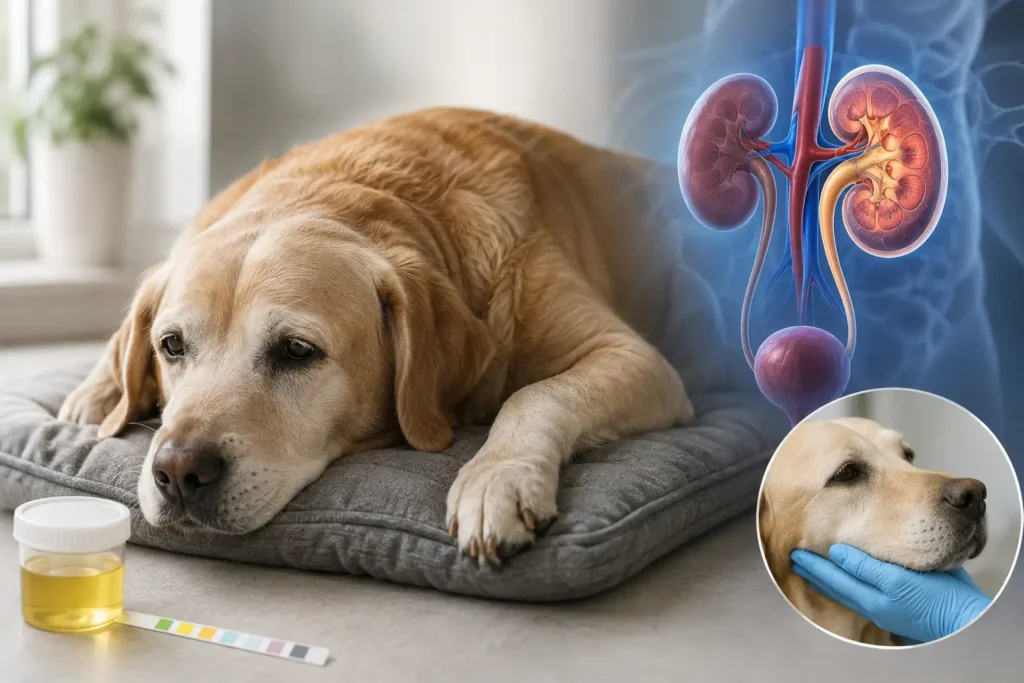
They check creatinine. That’s waste stuff your kidneys are supposed to filter out. High creatinine means her kidneys aren’t working right. They check BUN too. Same thing basically. They look at phosphorus and potassium levels. Protein in urine can mean kidney problems too.
Sometimes they do ultrasound. Actually look at the kidneys. See if they’re the right size. Check for stones or other stuff.
This is the only way to actually know what’s going on. Can’t guess based on how she’s acting.
How Kidney Diet Dogs Actually Need To Eat?
Once your vet confirms it, diet becomes a thing. But here’s what people get wrong: food doesn’t fix it. It just helps manage it.
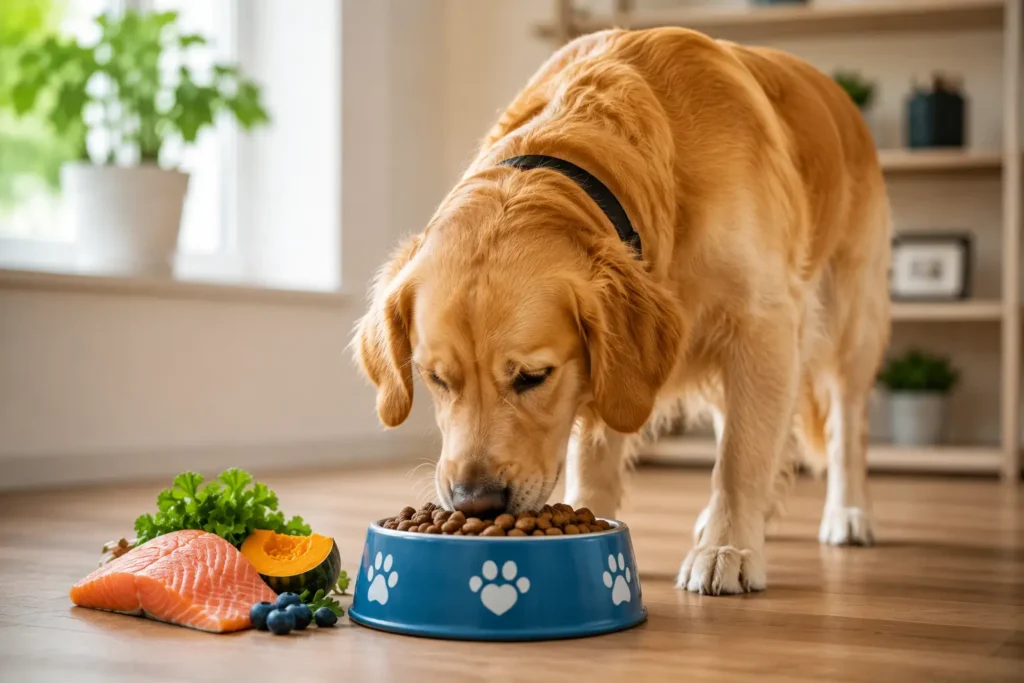
A kidney diet dogs actually need is typically way lower in protein and phosphorus. The idea is less work for her kidneys to do. Less protein means less to filter. Less phosphorus means less to manage.
Your vet might say prescription food. Or you can find regular dog food that’s lower in this stuff. Whatever you pick, the goal is making her kidneys’ job easier. Kidney diet dogs respond well to consistent feeding plans that your vet recommends.
What actually goes in kidney friendly food:
- Lower protein but enough for her body
- Lower phosphorus
- Not too much salt
- Omega-3s
- Good ingredients she can actually digest
Some dogs do fine with prescription kidney food. Others do okay with regular food that’s carefully chosen. Your vet tells you what works for your dog.
Medicines And Managing Symptoms
Your vet might give her medication. ACE inhibitors to protect what kidney function she has left. Stuff that stops her body from absorbing too much phosphorus. Diuretics for fluid. Blood pressure meds sometimes.
None of this cures anything. But it slows things down. It keeps her more comfortable. It buys time.
Medications change as her numbers change. That’s why regular bloodwork matters. Your vet’s adjusting what she takes based on actual test results, not guessing.
Water Matters More Than You Think?
With a dog in failure, keeping her hydrated is actually important. Yeah she’s drinking tons. That’s okay. Let her. Her body needs it.
Some vets say add water to her food or give her wet food instead. Some people put low-salt broth in her water bowl to make her drink more. Whatever keeps her hydrated helps her kidneys function better.
Just always have fresh water available. Put bowls in different spots. Some dogs do better with certain bowl types. Try different stuff and see what she actually drinks.
Managing Senior Dog Kidney Care Day To Day
It’s not complicated but it’s consistent.
Regular vet appointments. Probably every three to six months depending on her stage. More bloodwork. Watching her symptoms. Adjusting diet and meds when needed. Making sure she’s actually eating. Making sure she’s drinking. Watching for things getting worse.
Your vet tells you what signs mean an emergency. Throwing up, super tired, can’t pee. Those aren’t wait situations. Senior dog kidney care means staying on top of these things consistently and not skipping appointments.
The goal isn’t curing her. It’s slowing things down and keeping her comfortable as long as you can.
Can You Actually Slow This Down?
If she’s not diagnosed yet? Get bloodwork done yearly on older dogs. Catching it early makes a huge difference in how long she lasts.
After diagnosis? The stuff that actually helps is the obvious stuff. Better food. Hydration. Meds from your vet. Regular checkups.
People always ask if there’s some magic supplement or treatment that brings kidney function back. There isn’t. Once kidneys decline they stay declined. But you can absolutely slow everything down and manage symptoms.
What To Tell Your Vet When You Go In?
Bring notes. Write stuff down:
- When did you first see changes?
- What changes exactly?
- How much water she is drinking actually measures it.
- How often does she pee?
- Accidents inside?
- Has my appetite changed?
- Losing weight?
- How’s her energy?
If she’s older and she probably is if she has this—mention any other health stuff. High blood pressure, heart problems, anything else. It all connects somehow.
Bring old bloodwork if you have it. Vets like seeing how things changed over time.
Questions People Keep Asking Me About This
What does kidney disease in dogs mean exactly?
Her kidneys aren’t working right anymore. She’s still here. Still mostly normal. But her kidneys are declining. It gets worse over time but how fast is different for every dog.
Can a dog get better from renal failure?
Nope. Once kidney function goes down it doesn’t come back. But you can manage it. Slow it down. Keep her feeling okay. Some dogs live years after diagnosis with the right care.
How long does a dog live after getting diagnosed with renal disease in dogs?
Could be a few months. Could be years. Depends on what stage she’s at when you find out. How fast it gets worse. How well you manage it. How old she is. Some dogs go three, four, five years after diagnosis.
Does the kidney diet dog thing actually do anything?
Help yeah. Doesn’t cure it. But it takes pressure off her kidneys. Most vets recommend it because controlling protein and phosphorus slows things down. It’s not magic but it works.
Is senior dog kidney care gonna be expensive?
Can be. Vet visits add up. Bloodwork adds up. Maybe prescription food and meds. But people find ways. Some use regular food instead of prescription. Some pick which meds matter most. Talk to your vet about what you can afford.
Should I just put her down if she gets this?
Not right away. Early and middle stages are totally manageable. Tons of dogs live good lives for years after diagnosis. End of life decisions come later when she’s actually suffering. Your vet helps you figure that out when the time comes.
What actually causes kidney disorders in dogs anyway?
Lots of reasons. Sometimes it’s genetics. Sometimes breeds are just prone to it. Sometimes infections or high blood pressure. Sometimes she got into it. Most of the time you never know exactly why. Doesn’t matter for treatment though.
What To Do Starting Right Now
If your dog’s over seven and you haven’t gotten bloodwork done, schedule a vet visit. Get baseline tests. That’s the best way to catch problems early.
If you’re noticing signs of drinking tons, peeing constantly, not eating, tired—call your vet. Get her checked out. Have your notes ready.
If your vet already diagnosed her with kidney disease in dogs? Do what they said with food and meds. Get regular bloodwork. Watch for things getting worse. Know what counts as an emergency.
Our senior dog health guide covers other old dog problems you might be dealing with too. And for the nutrition side, our kidney diet dogs guide gets into specifics about food choices and what actually works.