There are those breeds of dogs who gain a celebrity status immediately they enter a Room- Golden Retrievers, German Shepherds and Huskies. Then there is the Dutch Shepherd: the silent phenomenon who does not long to be in the limelight and who you will never forget when you see them. They are similar to the extremely gifted co-worker who never show off but turns out to save the company each time. Intelligent, athletic, emotional and rare in character, the Dutch Shepherd is a breed that is almost mythical. This blog tells the story of the Dutch Shepherd in a very special holistic manner, not merely as a pet, but rather as a living collaboration. It is your one-stop-shop whether you are thinking of owning one, simply fascinated with the working breeds, or simply wondering.
1. The Breed born Necessity, Not Convenience
The Dutch Shepherd was originally a Dutch farm dog, who needed a working job. Not a decorative lapdog. Not a showpiece. An actual ally in living.
They played the following historical roles:
- Herding sheep and cows
- Pulling small carts
- Guarding fields and farms
- Keeping livestock off the pasture.
- Caution to the farmers against trespassers.
- Safe transportation of children home.
Concisely: The Dutch Shepherd was the Swiss Army knife of dogs, whose work ethic was so strong that the farmers relied on them on a daily basis. These activities formed their contemporary character that was clever, all-purpose, faithful and impossible hardworking.
2. The Rarity of the Breed: Why You Do Not See Them Everywhere
Compared to German Shepherds or Belgian Malinois, Dutch Shepherds nearly became extinct.
Their numbers were low as a result of:
- The industrialization minimized the use of farm dogs.
- The breeding programs were affected by World Wars.
- Farmers were very functional but not showcasing or commercializing the breed.
- They were not bred to become popular.
Even now, Dutch Shepherd remains to be one of the rarest working dog breeds all around the world. Their bloodline is healthy and their instincts are keen because they are rare.
3. Looks: Wild Fancy That is Olden-Time
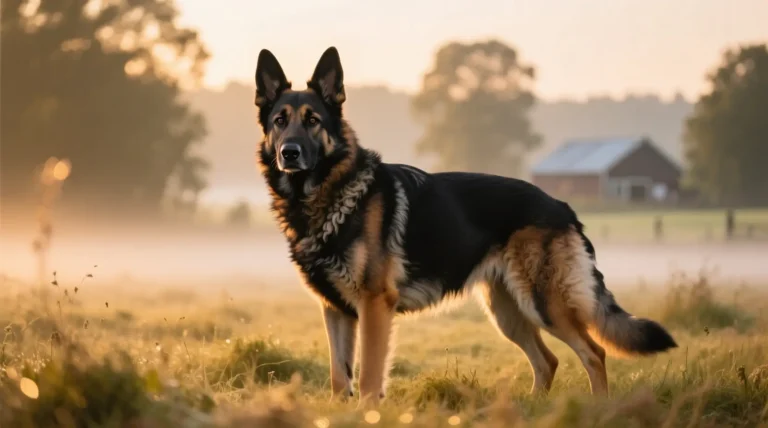
Dutch Shepherds possess a unique appearance wild, sportive, wolfish, but at the same time elegant.
Key Features:
- Brindle coat (gold or silver), which sets them apart among all other breeds of shepherds.
- Lean but muscular build.
- Witty eyes of an oblong shape.
- Triangular erect ears.
- Agile, balanced movements
It is not only that they are beautiful but they are useful. A Dutch Shepherd is designed with everything that is concerned with stamina and performance.
4. Temperation: A Composed Mixed Reality of Brain, Brawniness and Piety
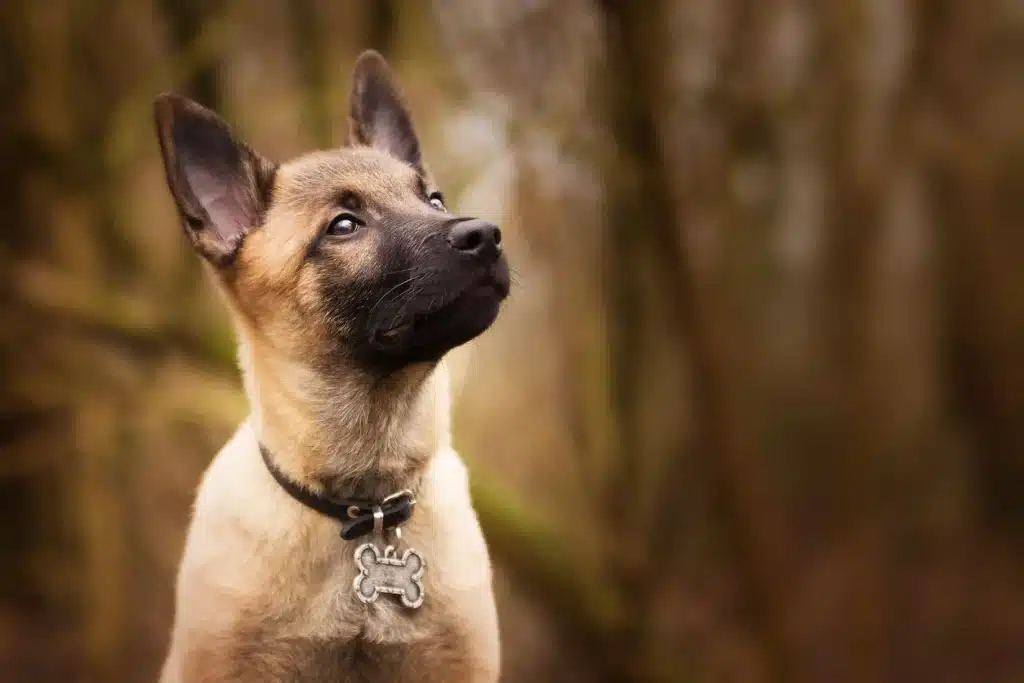
The Dutch Shepherd is not only intelligent, but a problem-solver with actual initiative. Assign them a job, and most probably they will get it done even before you finish giving instructions.
Personality Traits:
Very Smart: able to pick up complicated orders fast.
Devoting and clinging: develops strong attachment with his/her human.
Active: they require serious action every day.
Against aggression and yet protective: they evaluate dangers in a detached manner.
Feeling your way: knows how you feel even before you open your mouth.
This is the kind that gazes in your eyes and attempts to know you. They are not robotic but emotional in the use of intelligence.
5. Dutch Shepherd Training: It is More of a Partnership than a Power Struggle
Raising a Dutch Shepherd does not feel like training a dog, it is more of having an efficient partner. They are purpose, not pressure oriented.
Training Tips:
- Apply games, problem solving activities, and diversity.
- Do not use drills that are too similar.
- Encourage exploration and entrepreneurship.
- Be consistent yet gentle.Exercise in brief and vigorous periods.
- Their cleverness may be used to the detriment of the novice owners.
- Without structure, they may:Outthink their owner.
- Become mentally bored.
- Invite them to invent jobs of their own (they are usually destructive).
- They need to be mentally stimulated just like they need to be physically exercised.
6. Exercise Requirement: Not only Walks, but Adventures
The Dutch Shepherd is an athletic or sporting dog- built to be enduring, nimble and to make quick decisions.
Ideal Activities Include:
- Long hikes.
- Racing or jogging with you.
- Agility courses.Tracking activities.
- Obedience sports.
- Protection sports.
- Herding trials.
- Scent work
This is not a couch-potta breed, in case you want one. However, in case you are interested in a dog, which is active and challenging, the Dutch Shepherd is the ideal choice.
7. The Modern Work Dutch Shepherds: Heroes in Disguise
The Dutch Shepherds are nowadays the top dogs in areas where courage, intellect, and steadiness are required.
Common Careers:
- Police K9 units.
- Military operations.
- Search and rescue.
- Checking work (explosives, narcotics, human scent).
- Personal protection.Security.
- Support or emotional role therapy.
They are gaining popularity especially in the K9 units due to their:
High drive. Trainability.Strong noses. Remarkable confidence Constant nerves and steady nerves.
Dutch Shepherds provide the best compromise, as opposed to other breeds which can be either excessive in aggression or excessive in tenderness.
8. Dutch Shepherds Good Family Dogs?
Yes, unless the family knows the breed.
They are cuddly, ticklish and possessive, they are very close to children and tend to be tender guardians. However:
- They need daily structure.
- They need to be trained and their minds challenged.
- They work best with on the move families.
An untrained Dutch Shepherd in an unstructured family will get boring, anxious, or destructive. In a home where there is stimulation however, they are nurtured into the truest companions in the world.
9. Health and Lifespan: An Unimaginably Healthy Stock
Dutch Shepherds are relatively healthier than most working dogs because they were not overbred to be popular in the market.
Common Health Issues:
- Hip dysplasia (moderate risk).
- Skin/environmental allergies.
- Thyroid issues (rare).
- Hypersensitivity to some anesthesia.
- They are good to live 11 -14 years- in some cases more.
10. Grooming Need: Low and Yet Not No
The coat defines the degree of grooming:
Short-Haired:
- Brush once a week.
- Minimal shedding
Long-Haired:
- Brush 2–3 times weekly.
- Further shedding and matting threat.
Rough-Haired:
- Hand-stripping 2–3 times yearly.
- Very weather-resistant coat
No matter the type of coats, they are comparatively clean dogs with minimal smell.
11. Food and Nutrition: Energy to Power a Working Athlete
Dutch Shepherds have a great metabolism and are very energetic and therefore demand quality nutrition.
Ideal Diet Should Include:
- Low fat foods (chicken, fish, turkey, lamb).
- Good fats (omegas-3 to coat and health of the brain).
- Carbohydrates for energy.
- Joint supplements.
- Antioxidants in vegetables and fruits.
- Disregard low-cost filler food materials – they are incapable of keeping a high performance dog.
12. Who Should- and Should Not own a Dutch shepherd?
Perfect for People Who:
- Are active.Things to enjoy in training and outdoor activities.
- wish to have an obedient, guardian friend.
- Appreciate working breeds.
- Be able to stimulate mentally every day.
Not Ideal for People Who:
- Are sedentary.
- Want a low-energy pet.
- Don’t have time for training.
- Living in small flats, not exercising.
- They were never mass-bred for popularity
The Dutch Shepherd is regarded as a rare breed even today, which makes it one of the most unique working dogs in the world. Their rarity maintains the healthiness of their bloodline and the sharpness of their instinct.
13. The Dutch Shepherd Personality: A gorgeous contradiction
It is a breed of opposites in the best sense:
- They are fierce yet gentle.
- Protective yet friendly.
- Separate and very close together.
- Extremely ambitious but with a sensitive heart.
They are not mere dogs, but they are companions that read your body language, know your habits and get used to your life.
14. The reason why the Dutch Shepherd is one of the most peculiar breeds on this planet
The Dutch Shepherd is distinctive in the sense of:
- They were made in the natural way to work–not to be seen.
- They are exclusive and untainted in action.
- And their brains are as smart as the smartest breeds.
- Their loyalty is unwavering.
- They fit in the professional and family set ups.
- They are excellent in almost all the things they are assigned.
They are the all-round sports star who is hardly known to anybody and once met is never forgotten.
15. Final Thoughts
The Dutch Shepherd may be your soulmate, should you desire a dog that stimulates your intellect, offers you protection, becomes your companion in your outings, and serves as your companion. However, this breed could be too intense, in case you want a simple companion with very few demands.
The Dutch Shepherd should not be ignored because it does not need fame but its unmatched loyalty, intelligence, and versatility. The possession of one is not a matter of possessing a pet but a partnership.