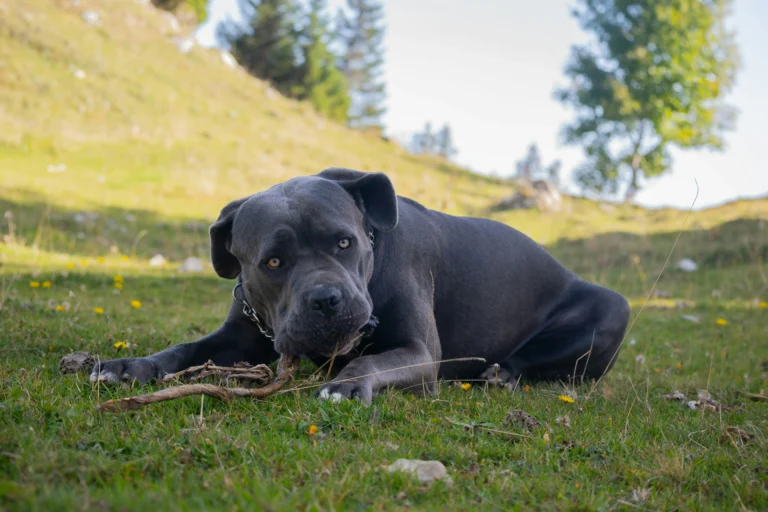
The Cane Corso is one of the most well-known dogs of the mastiff type worldwide, characterized by its strength, aristocratic appearance, high faithfulness, and incredible intelligence. Their powerful appearance may be intimidating, but those who have been able to interact well with Cane Corso dogs know that the breed is both an adorable family member and a proud protector.
The blog has gone into detail on all the factors about the Cane Corso: their background, behavior, training, health, what they should eat, how they should be groomed, and what potential pet owners should know before taking them home. Whether you are planning to add a Cane Corso to your family or just need to know more about this very interesting breed, the in-depth guide will provide you with the full picture.
The history of the Cane Corso: From Ancient Battlefields to Homes
The Cane Corso has a different story compared to other breeds of dogs. They are nowadays associated with the protection of families, companionship, and the breeding of dogs, although they were originally linked thousands of years ago.
Origins in Ancient Rome
The Cane Corso is an offspring of the ancient Roman canis pugnaces, which were the war dogs of Roman troops. These mastiff breeds were muscular and agile, and they could be used in tasks that needed a lot of physical power and bravery.
Soldiers took Roman war dogs to battlefields, protected camps, and tended to animals. With the passage of time, with the growth of Rome throughout Europe, these dogs spread into various territories and also gave rise to most of the breeds of mastiffs that we know today.
Evolving into the Italian Countryside Guardians
Cane Corsi survived in rural Italy after the demise of the Roman Empire. Farmers relied on them for:
- protecting animals against predators
- protecting property
- helping hunt large game
- pulling carts
- watching over the household
This work heritage is the reason behind the breed being very intelligent, loyal, and protective. The Cane Corso did not live to be a show but rather to perform, to be strong, and to work with people.
Near-Extinction and Revival
By the middle of the 20th century, the population of Cane Corso had significantly reduced due to war, industrialization, and the modification of agricultural life. By the 1970s, only a few scattered dogs remained in remote Italian countryside areas.
Dedicated breed enthusiasts worked tirelessly to restore the Cane Corso. They were successful in their attempts; the breed came back to life, became known, and ultimately found its way to the United States back in the 1980s.
The Cane Corso is now being appreciated worldwide due to its nobility, versatility, and great family loyalty.
Cane Corso Appearance: What Makes This Breed So Distinct?
The Cane Corso is a visually striking dog. Their physical structure is muscular; the box-like nose, the expressive eyes, and the strong stance all have an instant commanding effect.
Size and Build
The Cane Corso is a big and sportive mastiff whose dimensions have the following characteristics:
- Height: Up to 28 inches at the shoulder
- Weight: Often exceeding 100 pounds
- Build: Solid, muscular, agile, and proportionate
The Cane Corso is agile, fast, and strong as opposed to other breeds of mastiffs, which are heavy and lumbering. They can switch from a full-fledged lunge to a strong sprint in no time.
Coat and Colors
Cani Corsi have short, smooth, dense coats. Their most common coat colors include:
- black
- black brindle
- chestnut brindle
- gray
- gray brindle
- fawn
- red
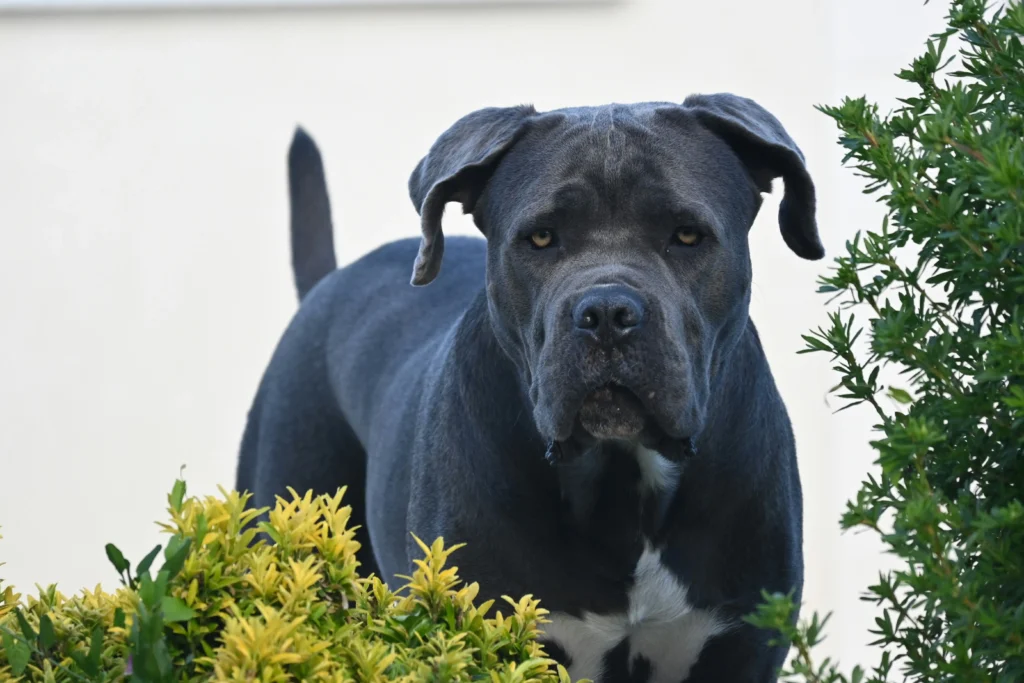
A large number of Cane Corso dogs also develop a mask as a darker area around the muzzle, in black or grey.
Their short coat makes them appear clean and trim, and yet, do not be fooled into thinking that the breed does not shed; it also has to be brushed frequently.
Cane Corso Temperament: What goes on in their minds and hearts
It is one of the most significant things to know about the Cane Corso: their temperament. They are not merely big guard dogs; they are emotional, sensitive, and tactful, and they attach themselves very closely to their families.
Devoted and Guarding in Nature
A cane corso dog is instinctive in terms of protection and not aggressive without reason. They are confident, calm, and discerning when they are properly trained and socialized.
Loving and Family-Oriented
Although they look intimidating, Cane Corsi are said to be Velcro dogs. They desire to be close to their families; furthermore, in the same room. They like being the center of attention, silent companions, and participating in family life.
Bright and Willing to Learn
This breed does well when tested. They love to be mentally stimulated, having scheduled activities and activities that involve solving problems. Training is not a choice but a necessity for their comfort and security.
Is the Cane Corso a Good Family Dog?
Yes, but under the appropriate conditions.
Cane Corso dogs may be great family pets. They are:
- loyal
- affectionate
- deeply protective
- so kind to well-mannered kids
- perceptive and sensitive
However, they require:
- early socialization
- consistent training
- firm but kind leadership
- appropriate limits on relationships with children
A Cane Corso that is correctly raised also tends to create close attachment to all the members of the family and be the silent guardian of all the members.
Do Cane Corso Dogs Need a Lot of Training?
Yes, absolutely.
This is not a breed that can be left untrained. Their instincts of protection may be a problem without appropriate guidance. Training should start at a tender age and last as long as one lives.
Why Training Matters
The Cane Corso is a strong and smart dog. Training helps them:
- understand boundaries
- remain calm in new situations
- manage their defense instincts in a prudent way
- form trust towards other animals and strangers
Failure to be trained may result in fear-based reactivity or behavioral problems.
Best Training Methods
- Positive Reinforcement
- short, structured sessions
- clear expectations
- varied activities
- professional advice where necessary
Cane Corso are very sensitive—they do not react to heavy punishment and shouting. They perform well when respect and fair play are administered.
Is the Cane Corso Child-Friendly?
Yes, rightly monitored and socialized.
Cane Corsos usually develop close relationships with children, especially older kids who know how to interact with big dogs without injury.
Young children should always be supervised. Not because the Cane Corso is dangerous—but because their size alone can cause accidental bumps or knocks during play.
Early exposure to respectful, gentle children and proper training are some of the tools that can be used to make the relationship harmonious.
Cane Corso Behavior: What to Expect in Our Day-to-Day Lives
Cane Corso behavior is something that every future owner must understand
A Sensitive Guardian
This breed is sensitive emotionally, though it is strong and confident. They bond intensely with their families and notice subtle shifts in tone or routine. They do not do well with chaos, neglect, or inconsistent expectations.
Low Voice, High Presence
Most Cane Corso dogs are quiet. They don’t bark excessively unless they sense something unusual. Instead, their presence alone serves as a natural deterrent to intruders.
A Serious Working Dog
This is not a goofy, carefree breed. They take their environment seriously and always pay attention to what’s happening around them.
But they also have a gentle, playful side—enjoying walks, games, and relaxing with their family.
Cane Corso Exercise: Keeping This Powerful Breed Fit and Balanced
Because the Cane Corso is a working dog, exercise is essential.
Daily Exercise Requirements
Most Cane Corso dogs need:
- at least two daily walks
- interactive playtime
- mental stimulation activities
- occasional vigorous workouts
Without sufficient exercise, they may become restless or develop destructive behaviors.
Best Activities for Cane Corso
- scent work
- nose games
- obstacle courses
- agility
- long walks
- hiking
- swimming
- tracking exercises
Even though the Cane Corso is large, it is not an endurance runner. Their movements should be controlled and moderate, especially when young.
Cane Corso Training Guide: Raising a Disciplined, Confident Dog
Training is the cornerstone of a successful Cane Corso relationship.
Start Early
Training should begin the moment your puppy arrives home. Simple instructions, teaching to keep the crates, and housebreaking are necessary.
Socialization Is Non-Negotiable
Expose your Cane Corso to:
- new people
- other dogs
- different environments
- various sounds
- children (in controlled situations)
This creates a well-adjusted, self-confident dog.
The Importance of Structure
Cani Corsi thrive on:
- routine
- clarity
- consistent rules
They are not accustomed to disruptive or disorderly homes.
Cane Corso Health: Understanding Common Conditions

Although generally healthy, the breed is prone to certain conditions.
Obesity
Extra weight is especially dangerous for large breeds. It is very demanding on the joints, heart, and general body. Exercise and proper diet are necessary.
Hip and Elbow Dysplasia
These degenerative joint disorders may result in:
- pain
- limping
- reduced mobility
- long-term arthritis
Risk reduction is achieved through early screening and weight management.
Idiopathic Epilepsy
The seizures usually start at the age of three. Although it is incurable, medication can be used to control the episodes.
Demodectic Mange
Caused by mites, this skin condition can lead to:
- hair loss
- bumps
- thickened skin
It is not contagious, and treatment varies with severity.
Eyelid Abnormalities
The breed may develop:
- entropion
- ectropion
- cherry eye
Surgery is often required for correction.
Bloat and GDV
A life-threatening condition where the stomach fills with gas and twists. Immediate veterinary care is crucial.
Gastropexy is the most effective preventative measure.
Feeding the Cane Corso: Nutrition, Portions, and Best Practices
Proper feeding prevents health issues and supports growth.
High-Quality Diet Is Essential
Choose food that meets AAFCO standards. Large-breed formulations can be used to ensure that overgrowth in puppies is avoided.
Feeding Frequency
- puppies: 3–4 meals daily
- adults: 2 meals daily
One big meal per day should be avoided because it may make them feel bloated.
Portion Control
Diet varies based on:
- age
- weight
- activity level
- metabolism
The right quantity can be instructed by the veterinarians.
Helpful Supplements:
- glucosamine and chondroitin
- fish oil omega-3s
- probiotics
- MSM
These aid in the health of the joints and the digestive system.
Cane Corso Grooming: Basic but Necessary Pet Care
The Cane Corso, despite being low-maintenance, needs regular grooming even though it is no longer coated like long-coated breeds.
Bathing
Just a few baths per year unless dirty.
Brushing
Weekly brushing removes loose hair. Daily brushing may be needed during shedding seasons.
Ear Care
Check weekly for redness or odor. Avoid over-cleaning.
Eye Care
Ensure eyelids aren’t rubbing or drooping. Tear-staining wipes help maintain hygiene.
Nail Care
Trim regularly. If you hear clicking on the floor, they’re too long.
Dental Care
Brush 2–3 times weekly for best oral health.
Living With a Cane Corso: What Future Owners Must Know
Bringing home a Cane Corso is a long-term commitment requiring knowledge, patience, and consistent structure.
Space Needs
This is not one apartment-friendly breed. Their homes should have fenced yards and space to move around.
Time and Training Dedication
Owners must dedicate time to:
- daily exercise
- lifelong training
- proper socialization
- mental stimulation
Failure to take care of them may bring unwanted behavior.
Not for the Unpracticed Proprietors
A Cane Corso needs a strong, self-confident, and responsible owner. Their intelligence and strength make them unsuitable for people unfamiliar with training large guardian breeds.
Emotional Needs
Cani Corsi want to be with their families. They do not do well with long hours of isolation.
Cane Corso FAQs
Is a Cane Corso a good family dog?
Yes, with proper training and supervision. They are loyal and protective but require structure.
Are Cane Corso dogs smart?
Yes. They are very smart and react to positive-based training that is always maintained.
How much does a Cane Corso cost?
A reputable breeder may charge $1,500–$2,500, with top pedigrees reaching $3,000–$5,500.
Is the Cane Corso the same as a Pit Bull?
No. They are absolutely different breeds, having different origins and features.
What is the breed’s origin?
The Cane Corso has its origins in Italy, where it is believed to have originated as an ancient Roman war dog.
What is the plural of Cane Corso?
Cani Corsi and not Cane Corsos.
Conclusion: Is the Cane Corso the Dog of the Right Type?
The Cane Corso is a wonderful breed—majestic, faithful, smart, protective, and very devoted. Nevertheless, this breed is not suitable for everybody. They thrive in homes with:
- responsible, confident owners
- commitment to training
- plenty of space
- structured routines
- active lifestyles
- time for companionship
When you can offer these conditions, then a Cane Corso can turn out to be one of the most fulfilling relationships that you will ever have. They do not just make pets; they are guardians, companions, and family members.