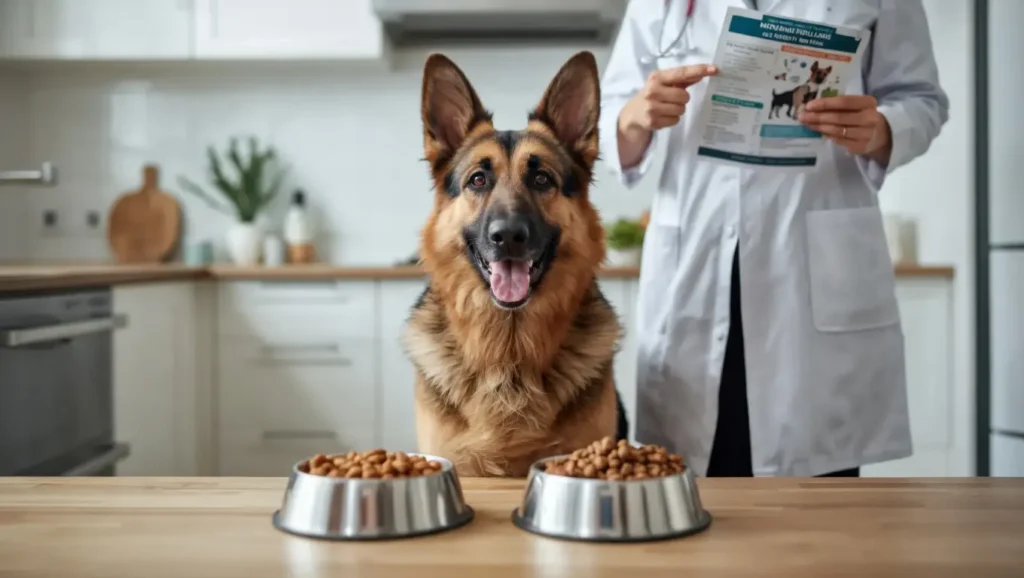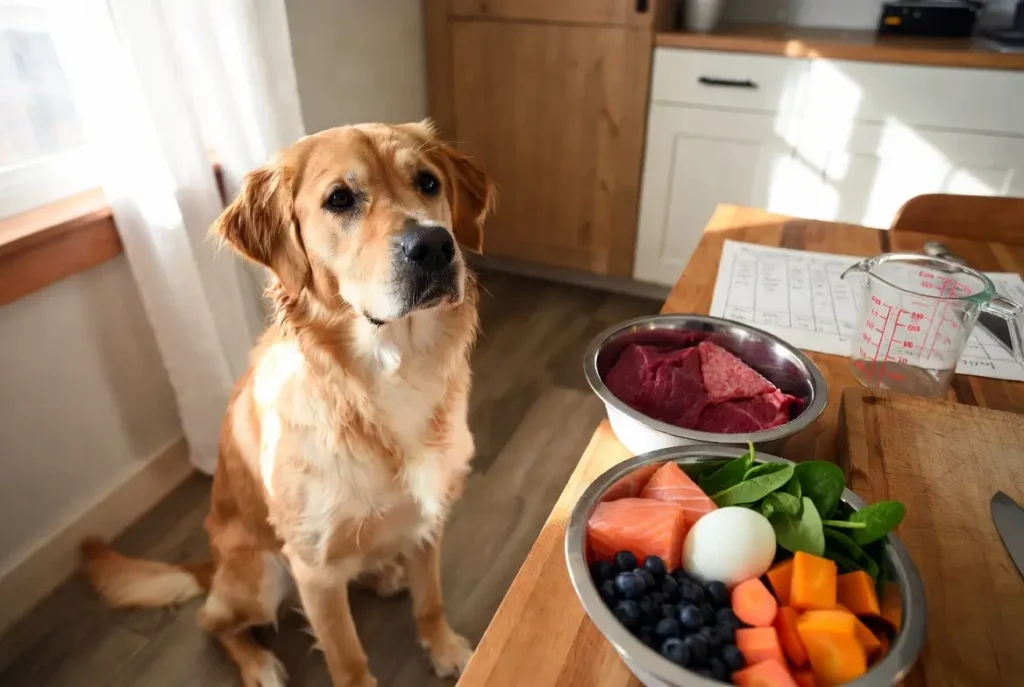


Bland dog food for an upset stomach is a short-term, easily digestible diet that may help some dogs with mild diarrhea or digestive upset. Plain cooked white rice with boiled, skinless chicken is a traditional option, but a complete veterinary gastrointestinal diet is usually nutritionally superior when one is available.
An “upset stomach” is not a diagnosis. Vomiting, diarrhea, reduced appetite, nausea, and abdominal discomfort can result from a simple dietary indiscretion, but they can also occur with parasites, pancreatitis, toxins, foreign-body obstruction, infection, or systemic disease.
The key is knowing when short-term dietary support is reasonable and when digestive signs need veterinary attention.
What Is Bland Dog Food?
Bland dog food is a simple, highly digestible diet intended to reduce digestive stress while a dog recovers from mild gastrointestinal upset.
Traditional homemade bland diets commonly use cooked lean protein and an easily digested carbohydrate. Boiled skinless chicken breast with cooked white rice is the best-known example.
However, “bland” does not automatically mean nutritionally ideal. VCA veterinary nutrition guidance notes that traditional chicken-and-rice diets are nutritionally incomplete and that veterinary gastrointestinal diets can provide highly digestible nutrition while still supplying essential nutrients in appropriate proportions.
A practical comparison looks like this:
| Food option | Main advantage | Main limitation | Appropriate use |
| Boiled chicken and white rice | Simple and generally digestible | Nutritionally incomplete | Short-term use in selected mild cases |
| Lean cooked meat and simple carbohydrate | May be tolerated during mild diarrhea | Nutrient balance varies | Temporary feeding |
| Veterinary GI diet | Digestible and formulated for GI problems | May require veterinary recommendation | Short- or longer-term use depending on diagnosis |
| Regular complete dog food | Balanced for daily feeding | May not suit an acute GI episode | Routine feeding after recovery |
The appropriate diet depends on what is causing the gastrointestinal problem.
What Is the Best Bland Dog Food for an Upset Stomach?
For short-term home feeding, plain boiled skinless chicken and cooked white rice can be suitable for some otherwise healthy adult dogs with mild digestive upset. For nutritional completeness, a veterinary gastrointestinal diet is generally a better option.
According to Cornell University College of Veterinary Medicine, mild diarrhea can sometimes be managed temporarily with foods such as boiled chicken or low-fat hamburger and white rice. Cornell also emphasizes that homemade bland diets are not nutritionally balanced for long-term feeding.
VCA goes further, noting that chicken breast and white rice lack multiple nutrients required for complete canine nutrition. Therapeutic gastrointestinal foods can instead be formulated for high digestibility, modified fat or fiber content, and complete nutritional adequacy.
That distinction matters. A bland diet is a temporary recovery tool, not a substitute for a properly formulated everyday diet.
Is Chicken and Rice Good for a Dog With an Upset Stomach?
Plain chicken and white rice can be useful for some dogs with mild diarrhea or digestive upset, but it should generally be used only temporarily.
The chicken should be fully cooked, skinless, and free from bones, butter, oil, gravy, spices, garlic, onion, or seasoning. White rice should be cooked plainly.
Chicken and rice may be inappropriate if the dog has a known or suspected chicken allergy. Cornell specifically cautions against using a bland-diet ingredient when the dog has an allergy or intolerance to that food.
Chicken and rice also should not become the dog’s regular diet simply because the dog enjoys it or stools improve. Homemade combinations of meat and rice are not formulated to meet all long-term vitamin, mineral, fatty-acid, and other nutrient requirements.
Why Is White Rice Used in Bland Dog Food?
Cooked white rice is commonly used because it is relatively easy to digest and provides a simple carbohydrate source during short-term gastrointestinal recovery.
Both Cornell and VCA include cooked white rice in traditional temporary diets for dogs with uncomplicated diarrhea or digestive upset.
White rice does not treat the underlying cause of diarrhea. It simply forms part of an easily digestible meal.
Brown rice is less commonly recommended for a traditional bland diet because it contains more fiber and retains more of the outer grain structure. Fiber can be beneficial for some gastrointestinal conditions, but the amount and type needed depend on the disease involved. Veterinary GI diets may therefore be formulated with either increased or modified fiber according to the dog’s condition.
Should You Fast a Dog With an Upset Stomach?
Routine prolonged fasting is not necessary for every dog with gastrointestinal upset, and feeding advice should depend on whether the dog is vomiting, has diarrhea, and has other medical conditions.
This area of veterinary advice has evolved.
VCA’s veterinary nutrition guidance explains that withholding food for 24–48 hours was historically common, but current nutritional practice recognizes that the gastrointestinal tract needs nutrients during recovery. Fasting may still be appropriate in selected circumstances, such as profuse vomiting or when specifically directed by a veterinarian.
Cornell’s diarrhea guidance still describes a 12–24-hour food-withholding period as one option before introducing a bland diet in some uncomplicated cases.
These recommendations are not a reason to apply the same fasting period to every dog. Puppies, toy breeds, older or frail dogs, dogs with diabetes, and dogs with other medical problems can require different management.
When vomiting has been controlled, the Merck Veterinary Manual recommends offering small amounts of oral fluids and then small, frequent amounts of food as tolerated.
How Should You Feed a Bland Diet?
Small, frequent meals are generally better tolerated during recovery than immediately giving a normal large meal.
A gastrointestinal tract affected by vomiting or diarrhea may temporarily have reduced digestive and absorptive capacity. VCA therefore recommends offering smaller amounts more frequently rather than concentrating the day’s food into one or two large meals.
Start with a small portion after the dog is able to tolerate food. Continue monitoring appetite, stool quality, vomiting, activity level, and water intake. Portions can be increased gradually as the dog’s condition improves.
Rich treats and table scraps should be avoided during recovery because they introduce additional fat and ingredients while the digestive tract is still sensitive. Cornell specifically recommends avoiding rich foods and excessive treats until diarrhea has resolved.
How Long Should a Dog Eat Bland Food?
A homemade bland diet should usually be temporary because chicken-and-rice-type recipes are not nutritionally complete.
The exact duration depends on the underlying problem and how quickly the dog improves.
For uncomplicated diarrhea, Cornell recommends veterinary evaluation when diarrhea continues for more than a day or two and identifies failure to improve after a short bland-diet trial as a reason for veterinary care.
VCA similarly advises monitoring the dog closely and reassessing if symptoms continue or worsen rather than simply feeding bland food indefinitely.
Repeated reliance on chicken and rice is particularly important to investigate. Cornell notes that dogs repeatedly requiring bland diets can have underlying problems such as parasites, food intolerance, pancreatic disease, endocrine disease, liver or kidney disease, food allergy, or other gastrointestinal disorders.
How Do You Switch Back to Regular Dog Food?
Once vomiting has stopped and stool, appetite, and activity are returning toward normal, the dog’s regular complete diet can usually be reintroduced gradually.
Merck recommends transitioning toward the usual feeding routine over approximately 3–5 days after acute gastritis when the dog is tolerating food.
A gradual transition is particularly useful for dogs that develop loose stools after sudden food changes. Cornell notes that sensitive dogs may benefit from changing foods over a week or even two weeks rather than making an abrupt switch.
Frequent sudden diet changes can affect digestion and stool consistency, so maintaining consistent feeding practices is one part of supporting overall dog gut health.
What Foods Should Be Avoided During an Upset Stomach?
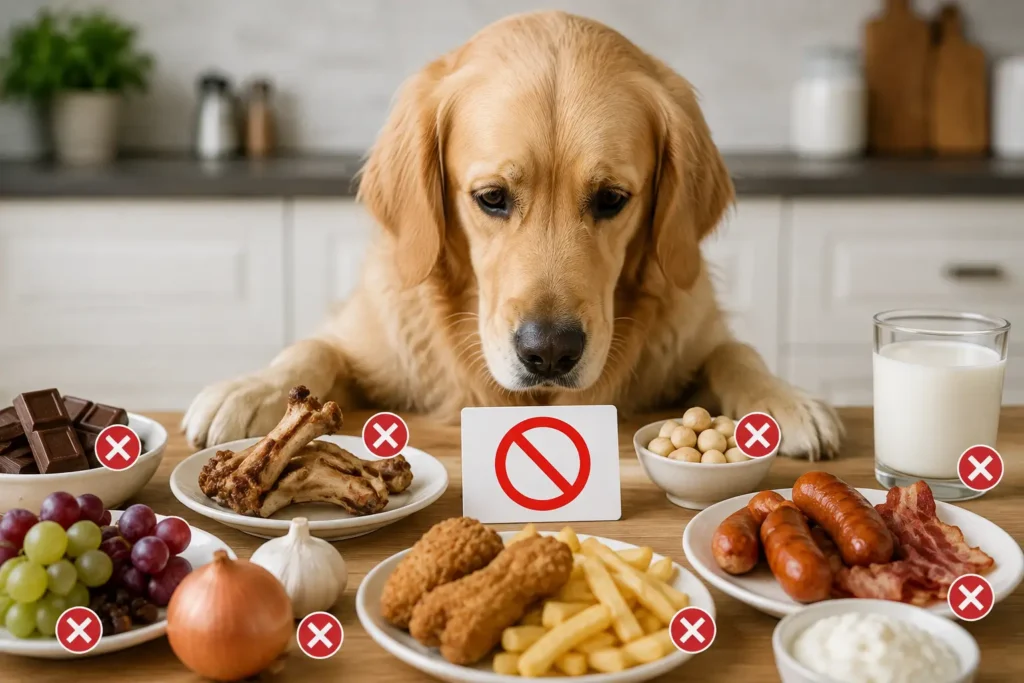
Fatty, heavily seasoned, rich, spoiled, and unfamiliar foods should be avoided while a dog is recovering from gastrointestinal upset.
Fried meat, chicken skin, fatty scraps, gravy, butter, oils, heavily seasoned leftovers, rich treats, and sudden new foods can complicate recovery. Human foods containing onion, garlic, chocolate, grapes, raisins, xylitol, or other canine toxins are a separate safety risk.
Fat intake deserves particular attention in dogs with a history of pancreatitis. Some dogs with pancreatic disease require specifically formulated low-fat nutrition rather than a generic chicken-and-rice recipe. VCA notes that lower-fat gastrointestinal diets can be better tolerated in dogs with chronic pancreatitis and some other GI disorders.
For dogs with diagnosed pancreatic disease, choosing appropriate low-fat foods for dogs with pancreatitis should be based on the dog’s medical and nutritional needs rather than whether a food simply looks bland.
Can Pumpkin Help a Dog With Diarrhea?
Plain pumpkin may help stool consistency in some dogs because it provides soluble fiber, but it does not treat every cause of diarrhea.
VCA includes small amounts of plain canned pumpkin or pet-specific pumpkin among possible supportive options for uncomplicated diarrhea. Pumpkin pie filling should not be substituted because it can contain added sugar, spices, and other ingredients.
Fiber needs vary between gastrointestinal conditions. A dog with persistent diarrhea should not simply receive increasing amounts of pumpkin without determining why the diarrhea is occurring.
Persistent dog diarrhea may be associated with parasites, dietary problems, gastrointestinal inflammation, infection, pancreatic disease, toxins, foreign bodies, or systemic illness rather than a simple lack of fiber.
Does a Dog With an Upset Stomach Need Water?
Dogs with vomiting or diarrhea need adequate hydration because gastrointestinal fluid loss can cause dehydration and electrolyte disturbances.
Fresh water should normally remain available unless a veterinarian gives different instructions for a specific medical situation. VCA recommends maintaining access to fresh water during GI recovery.
However, a dog repeatedly vomiting immediately after drinking water requires veterinary attention. Cornell warns that unresolved vomiting can cause serious dehydration and electrolyte abnormalities.
Repeated vomiting, inability to keep water down, worsening weakness, or marked lethargy should not be managed with bland food alone.
When Does an Upset Stomach Need a Veterinarian?
Seek veterinary care when vomiting or diarrhea is severe, persistent, recurrent, bloody, associated with significant lethargy or abdominal pain, or follows possible toxin or foreign-object ingestion.
Merck recommends investigating acute gastritis more thoroughly when signs fail to resolve within about 2 days, when vomit contains blood, when black tarry stool occurs, when the animal is systemically unwell, or when toxin or foreign-object exposure is possible.
Cornell advises contacting a veterinarian for vomiting that persists beyond 24 hours or occurs with blood, coffee-ground-like material, lethargy, abdominal pain, or fever.
Important vomiting warning signs include persistent or repeated vomiting, blood, abdominal discomfort, and deterioration in the dog’s general condition.
For diarrhea, black or tarry feces, fresh blood, concurrent vomiting, continued loss of appetite, or failure to improve should also prompt veterinary evaluation.
What Can Cause an Upset Stomach in Dogs?
Dietary indiscretion is common, but many gastrointestinal and systemic disorders can cause the same signs.
Cornell identifies sudden food changes, eating inappropriate food, stress, and intestinal parasites among relatively common causes of transient diarrhea. More serious possibilities include gastrointestinal inflammation or infection, parvovirus, foreign bodies, toxicity, allergies, pancreatic disease, cancer, Addison’s disease, and immune-mediated or systemic disease.
Merck similarly lists novel or contaminated foods, foreign material, medications, toxins, pancreatitis, systemic disease, parasites, and viral infections among causes of acute gastritis.
This is why response to a bland diet cannot be used to diagnose the cause of a dog’s symptoms.
Can Changing Dog Food Too Quickly Cause Diarrhea?
Yes. An abrupt food change can cause temporary diarrhea in some dogs.
Cornell recommends returning to the previously tolerated diet if diarrhea starts immediately after a food change and then restarting the transition more gradually once stools normalize. Some dogs may need a transition lasting a week or two.
This does not mean every episode following a diet change is harmless. Persistent symptoms, blood, vomiting, loss of appetite, or worsening condition need veterinary assessment.
Can You Give Human Stomach Medicine to a Dog?
Do not give human anti-diarrheal or stomach medication unless a veterinarian specifically recommends it for that dog.
Cornell cautions that products containing bismuth subsalicylate or loperamide can be inappropriate for some dogs and can interact with other medications.
Acid-suppressing medications are also not automatically appropriate for every episode of vomiting. Merck states that proton-pump inhibitors are not routinely required for uncomplicated acute gastritis unless gastrointestinal ulceration is suspected or confirmed.
A medication that reduces one symptom can also delay recognition of a more serious underlying condition.
Is Bland Dog Food Safe for Puppies?
Puppies require more caution because homemade bland diets are nutritionally incomplete and young dogs can deteriorate quickly when vomiting or diarrhea causes reduced food and fluid intake.
VCA notes that some veterinary therapeutic gastrointestinal foods are specifically formulated to meet growth requirements, while ordinary chicken and rice does not provide complete nutrition for puppies.
Persistent diarrhea or vomiting in a puppy is particularly concerning when combined with poor appetite, weakness, blood in the stool, dehydration, or incomplete vaccination history.
A prolonged homemade bland diet should therefore not be used as a substitute for veterinary evaluation in a sick puppy.
Is Chicken and Rice Good for Pancreatitis?
Chicken and rice is not automatically an appropriate pancreatitis diet. The total fat content, nutrient balance, disease severity, and individual dog’s needs matter.
Skinless chicken breast is leaner than chicken thigh or chicken with skin, but a homemade chicken-and-rice recipe still does not provide the controlled nutrient profile of a therapeutic diet.
Dogs with pancreatic disease may require carefully formulated low-fat nutrition for pancreatitis rather than an improvised bland diet. VCA specifically identifies lower-fat therapeutic diets as useful for dogs with chronic pancreatitis and certain chronic gastrointestinal diseases.
Vomiting, abdominal pain, loss of appetite, lethargy, and diarrhea in a dog with suspected pancreatitis require veterinary assessment.
Is Bland Food Good for Every Dog With Diarrhea?
No. Bland food may help mild, uncomplicated diarrhea, but diet alone is not appropriate for every case.
The underlying cause determines treatment. A dog with intestinal parasites may need antiparasitic treatment. A dog with a foreign body may require imaging and potentially surgery. A dog with dehydration may require fluid therapy. Pancreatic, endocrine, infectious, or inflammatory diseases require their own diagnostic and treatment plans.
Bland food should therefore be viewed as supportive nutrition, not a universal treatment.
Frequently Asked Questions
What bland food can I give my dog for an upset stomach?
Plain boiled skinless chicken with cooked white rice can be used temporarily for some otherwise healthy adult dogs with mild digestive upset. A veterinary gastrointestinal diet is often a more nutritionally complete choice.
Is white rice good for dogs with diarrhea?
Plain cooked white rice can form part of a temporary bland diet for mild diarrhea. It does not diagnose or treat the underlying cause of diarrhea.
How many days should a dog eat chicken and rice?
Chicken and rice should be kept short term because it is nutritionally incomplete. If diarrhea is not improving within a day or two, recurs frequently, or is accompanied by other concerning signs, veterinary evaluation is appropriate.
Can I give my dog scrambled eggs for an upset stomach?
Plain cooked egg is tolerated by many dogs, but it is not automatically the preferred bland-diet protein. Butter, oil, cheese, milk, and seasoning should not be added, and egg should be avoided when an individual dog reacts poorly to it.
Should a dog with diarrhea still drink water?
Yes. Fresh water should generally remain available because diarrhea can cause fluid loss and dehydration. A dog that cannot drink normally, appears dehydrated, or vomits water repeatedly needs veterinary attention.
Can bland food stop a dog from vomiting?
Bland food does not directly stop vomiting. Once vomiting is controlled and oral feeding can be tolerated, small amounts of food may be introduced frequently. Persistent vomiting requires assessment of the underlying cause.
Bottom Line
Bland dog food for an upset stomach can be useful for short-term dietary support in selected dogs with mild gastrointestinal signs, but chicken and rice is not a complete long-term diet.
For an otherwise healthy adult dog with mild uncomplicated diarrhea, plain boiled skinless chicken and white rice may be reasonable temporarily. A veterinary gastrointestinal diet offers the advantage of combining high digestibility with more controlled and complete nutrition.
Feed small portions as tolerated, keep fresh water available, avoid fatty foods and table scraps, and gradually return to a complete regular diet as the dog recovers.
Bland food should not delay veterinary care when vomiting or diarrhea is persistent or recurrent, when blood or black stool is present, when the dog becomes lethargic or painful, when water cannot be kept down, or when toxin or foreign-object ingestion is possible. In those situations, identifying the cause matters more than simply changing the food.