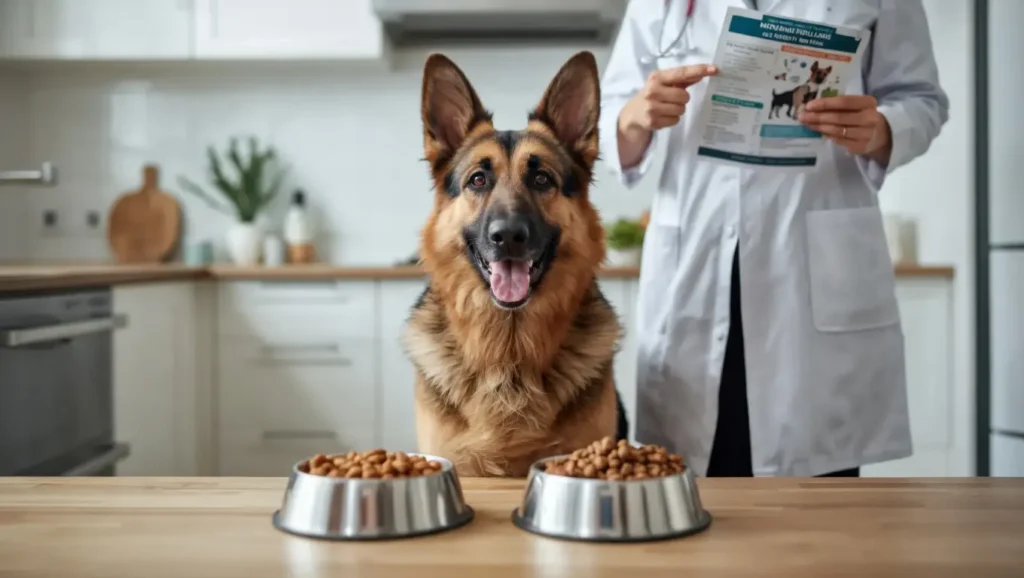



Choosing the best puppy food for large breeds is essential for supporting healthy growth, strong muscles, and proper bone and joint development. Large-breed puppies, including German Shepherds, Labrador Retrievers, Golden Retrievers, and Great Danes, need carefully balanced nutrition because growing too quickly or consuming excess calories and calcium can increase the risk of developmental orthopedic problems. A high-quality large-breed puppy formula should provide complete and balanced nutrition for growth, controlled energy levels, appropriate calcium and phosphorus concentrations, and essential nutrients such as DHA for brain and eye development.
Popular options include Purina Pro Plan Large Breed Puppy, Royal Canin Large Puppy, Hill’s Science Diet Large Breed Puppy, and Diamond Naturals Large Breed Puppy. The right choice depends on your puppy’s age, expected adult size, health, activity level, and food tolerance. This guide compares leading large-breed puppy food brands, explains essential nutritional requirements, and covers feeding amounts, food transitions, affordable options, and availability in Pakistan.
Why Large-Breed Puppy Food Matters
Big breed dogs (Labradors, German shepherds, great dane, mastiffs etc) are heavier and grow faster than small breeds. The evidence-based guidelines indicate that the closure of the growth plate is at 6-8 months in the toy small breed, 8-12 months in the medium breed, and 14-18 months in the large/giant breed (Sit Stay Squat, 2025).
Feeding them on regular puppy food may overload them with calories or calcium and result in:
- Hip and Elbow Dysplasia: Hip Dysplasia aggravated by excessive growth weight.
- Panosteitis (growing pains): inflammation of long bones.
- Bloat/ GD V: increased risk in deep-chested breeds.
- Obesity & shortened life span: Obesity has a direct influence on longevity.
- Priority objective: Advance gradual, regulated development with equalizing nutrition- not at a rapid pace weight growth.
What to Look for in Large-Breed Puppy Food
Protein Quality
- Look for named animal proteins (chicken, salmon, lamb, turkey).
- Minimum 25–30% protein (dry matter basis).
- Avoid generic “meat by-products” as the primary ingredient.
Controlled Calories & Fat
- Large-breed puppy formulas prevent excess weight.
- Fat content: ~8–12% (DM).
- Calories balanced for slow, steady growth.
Calcium & Phosphorus Balance
- This is the biggest difference from standard puppy food.
- Calcium: 1.2–1.8% DM (AAFCO Growth Profile).
- Ca:P ratio: 1:1 to 1.8:1.
DHA & Omega-3 Fatty Acids
- DHA supports brain & vision development.
- Omega-3s reduce inflammation and joint stress.
- Sources: fish oil, salmon, flaxseed.
Added Joint Support (Optional)
- Glucosamine and chondroitin are a bonus in premium foods.
- Not a replacement for balanced nutrition but can help protect developing joints.
Verified Standards
Choose food that:
- Meets AAFCO Growth requirements (for large breeds).
- Follows WSAVA Global Nutrition Guidelines.
- Lists an AAFCO adequacy statement: “Complete & Balanced for Growth including Large-Size Dogs (70 lb or more as an adult).
Large-Breed Puppy Feeding Guidelines
- Frequency: 3-4 meals a day up to 6 months, and 2 meals a day thereafter (DevAccount and DevAccount, 2022).
- Portions: Adjust for Body Condition Score (BCS 45/9), follow package chart.
- Growth Monitoring: Monthly weights; bone growth check in vets.
- Snacks: Restrict snacks to less than 10 percent of daily calories.
Best Large Breed Puppy Foods
| Brand | Key Benefits | Best For |
| Hill’s Science Diet Large Breed Puppy | DHA (fish oil), regulated calcium, vet-developed | Families wanting research-backed, widely available food |
| Royal Canin Large Puppy | Breed-based formula, easy-to-digest prebiotics, small kibble | Puppies with sensitive stomachs |
| Purina Pro Plan Large Breed Puppy | Affordable, chicken-first, DHA & glucosamine | Cost-conscious families who want quality |
| Blue Buffalo Life Protection Large Breed Puppy | Natural ingredients, antioxidants, no artificial preservatives | Owners preferring holistic diets |
| Orijen Large Breed Puppy (Grain-Free) | 85% animal protein, fresh local ingredients | Highly active puppies needing high protein |
Common Feeding Mistakes to Avoid
- Eating puppy food rather than large breed formula.
- Self-prescription of calcium supplements.
- Free-feed (never allowing the bowl to become empty).
- Excessive change of foods (leads to digestive discomfort)
- When it comes to training treats, it is better to disregard calories.
Timing to Switch to Adult Dog Food
Timing to switch from puppy to adult food is very crucial for your pet health. Switching early causes problems like growth while late transition causes many health issues like obesity.
- Big breed dogs: 12–18 months
- Giant breed dogs: 18–24 months
- Signs that it’s time: slowed growth, close to adult size, and your veterinarian telling you it is time.
- Be sure to transition the food over a period of 7–10 days to avoid potential diarrhea.
Large-Breed Puppy Food FAQs
What large breed puppy food do vets recommend?
Veterinarians commonly recommend complete and balanced large-breed puppy formulas from established manufacturers, such as Hill’s Science Diet, Royal Canin and Purina Pro Plan. The right choice depends on the puppy’s breed, expected adult size, health needs and individual tolerance.
What is the best dog food to feed a large-breed puppy?
The best food is one specifically formulated for large-breed puppies and designed to provide complete and balanced nutrition while supporting controlled growth. Compare the nutritional adequacy statement, calorie density and feeding recommendations rather than choosing solely by ingredient marketing.
How much food should a large-breed puppy eat?
The correct amount depends on age, current weight, expected adult size, activity and the calorie density of the food. Start with the manufacturer’s feeding guide and adjust portions based on growth and body condition, preferably with veterinary guidance.
When should I stop feeding large-breed puppy food?
Large and giant breeds mature at different rates. Some large breeds may transition around 15–18 months, while some giant breeds can require a growth diet for longer. Follow the food manufacturer’s life-stage guidance and your veterinarian’s recommendation.
Can large-breed puppies eat regular puppy food?
They can physically eat it, but a regular puppy formula may not be designed for the specific nutritional needs of large-breed growth. A food specifically formulated for large-breed puppies is generally the more appropriate choice.
Is grain-free food better for large-breed puppies?
Not necessarily. Grain-free does not automatically mean healthier or more nutritious. Choose a complete and balanced formula appropriate for large-breed growth rather than selecting food solely because it is grain-free.
Final Thoughts
The best puppy food for large breed dogs, as you now know, is not the most expensive or fancy bag (although high-quality food often costs a bit more). It comes down to supporting slow, sustained growth, monitoring joint growth, and sodium-balanced food.
Look for:
- High-quality animal protein
- Limited calories and fat
- Balanced calcium-phosphorus ratio
- DHA & Omega-3s
Coupled with portion control, tracking their growth visually, and monitoring their overall health at the vets regularly, you will end up raising a robust, healthy giant to live into their adult years.