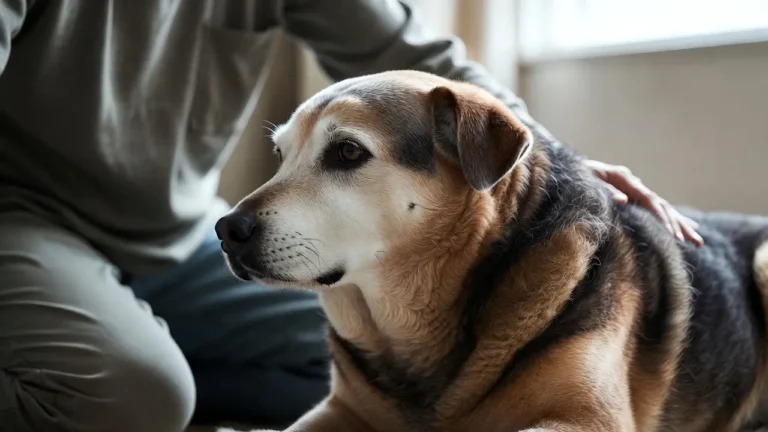
When a beloved canine companion receives a Cushing’s disease diagnosis, one of the most pressing questions owners face is understanding whether their dog is experiencing true pain or general discomfort. Is my dog in pain with Cushing’s disease? This complex endocrine condition affects thousands of dogs annually, creating a spectrum of symptoms that can range from mild discomfort to more significant quality-of-life challenges. Understanding cushing’s disease in dogs discomfort versus actual pain becomes crucial for making informed decisions about treatment and daily care management.
The distinction between pain and discomfort in does cushing’s disease cause pain in dogs scenarios isn’t always clear-cut, but recognizing the difference can dramatically improve how owners approach their pet’s care. While Cushing’s disease itself rarely causes sharp, acute pain, the constellation of symptoms it produces can create significant discomfort that impacts a dog’s daily activities, sleep patterns, and overall well-being.
Key Takeaways
- Cushing’s disease typically causes discomfort rather than direct pain, with symptoms like muscle weakness, excessive panting, and restlessness being more common than acute pain responses
- Secondary complications can create real pain, including skin infections, urinary tract infections, and worsened arthritis due to muscle loss
- Recognizing the difference between pain and discomfort signs helps owners provide appropriate care and communicate effectively with veterinarians
- Quality-of-life management focuses on treating underlying causes while providing comfort measures for daily symptoms
- Regular monitoring and early intervention for secondary issues can prevent discomfort from escalating to painful conditions
Is Cushing’s Disease Itself Painful in Dogs?
The fundamental question of whether dog cushing’s disease symptoms discomfort translates to actual pain requires understanding how this endocrine disorder affects the body. Cushing’s disease, also known as hyperadrenocorticism, results from excessive cortisol production that gradually alters multiple body systems over months or years.
Why Many Dogs Feel Unwell Without “Sharp Pain”
Unlike conditions that cause immediate, localized pain such as injuries or infections, Cushing’s disease creates a more insidious pattern of systemic changes. The excess cortisol affects muscle mass, skin integrity, immune function, and metabolism in ways that make dogs feel generally unwell rather than experiencing specific pain points.
Cushing’s disease muscle weakness dogs experience occurs gradually as cortisol breaks down muscle proteins faster than they can be rebuilt. This process rarely causes sharp pain but creates a persistent sense of fatigue and difficulty with normal activities. Dogs may struggle to jump onto furniture, climb stairs, or maintain their usual energy levels during walks without experiencing the acute discomfort that would make them yelp or cry out.
The metabolic changes also affect how dogs regulate temperature and energy, leading to chronic feelings of restlessness and inability to find comfortable positions. This differs significantly from pain-related positioning, where dogs typically guard specific body parts or show clear avoidance behaviors.
What Owners Usually Describe: Discomfort, Fatigue, Restlessness
Most owners of dogs with Cushing’s disease report observing behavioral changes that suggest general malaise rather than specific pain responses. Common descriptions include dogs who seem “off,” tired more easily than usual, or appear restless without clear triggers.
Dog panting restlessness cushing manifests as dogs who pace at night, seem unable to settle comfortably, or pant excessively even in cool environments. This restlessness stems from the metabolic and hormonal disruptions rather than pain avoidance, though the end result, a dog who can’t rest comfortably, creates significant quality-of-life concerns.
The gradual onset of these symptoms often means dogs adapt their behavior slowly, making it challenging for owners to pinpoint when normal aging transitions into disease-related discomfort. Understanding your dog’s baseline behavior and monitoring changes becomes essential for recognizing when professional veterinary care becomes necessary.
Discomfort Signs Common in Cushing’s Disease
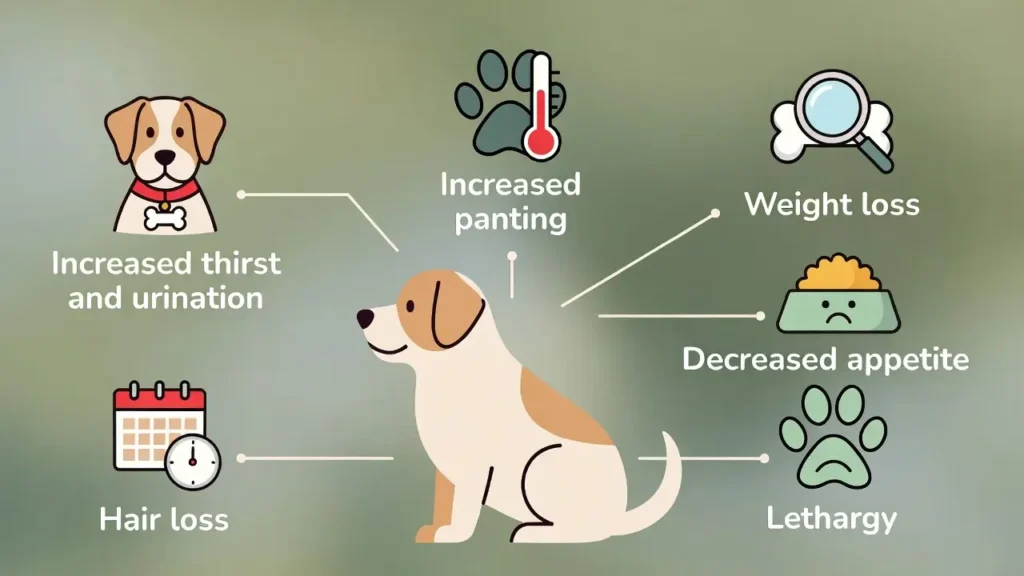
Understanding the specific ways cushing’s disease in dogs discomfort manifests helps owners distinguish between normal aging, disease progression, and situations requiring immediate intervention. The symptoms of Cushing’s disease create a cascade of physical changes that, while not typically painful in the acute sense, significantly impact a dog’s comfort and quality of life.
Muscle Weakness and Tiring Easily (Rear-Leg Weakness, Struggling to Rise)
Muscle weakness discomfort dogs with Cushing’s disease experience stems from cortisol’s catabolic effects on muscle tissue. This process breaks down muscle proteins faster than the body can rebuild them, leading to progressive weakness that’s most noticeable in the large muscle groups of the hindquarters.
Dog hind leg weakness cushing’s typically presents as dogs who take longer to stand up from lying positions, struggle with stairs they previously navigated easily, or show reluctance to jump onto furniture or into vehicles. Unlike pain-related weakness, where dogs might yelp or show sharp reactions, Cushing’s-related muscle weakness appears more as gradual difficulty and reduced enthusiasm for physical activities.
Muscle wasting cushing’s dogs may develop a characteristic appearance where the temporal muscles (around the head) become more prominent, while the muscles over the back and hindquarters appear diminished. This redistribution of muscle mass contributes to the overall weakened appearance and reduced stamina that many owners notice.
The weakness rarely causes acute discomfort, but the inability to perform normal activities can create frustration and anxiety in dogs. Owners often report their pets attempting normal behaviors but giving up more quickly, or choosing to avoid activities like climbing stairs rather than struggling through them.
Panting and Restlessness (Especially at Night)
Panting in dogs cushing’s disease represents one of the most common and noticeable symptoms that affects daily comfort. This excessive panting occurs due to multiple factors: altered metabolism, difficulty regulating body temperature, and the effects of excess cortisol on respiratory patterns.
Unlike panting from heat, exercise, or anxiety, Cushing’s-related panting often appears random and persistent. Dogs may pant heavily while resting in cool environments, during sleep, or without any apparent triggers. This constant panting can be exhausting for both dogs and their families, particularly when it disrupts nighttime rest.
Dog panting restlessness cushing’s frequently occurs together, creating a cycle where dogs can’t settle comfortably. The metabolic changes make it difficult for dogs to find comfortable positions, leading to frequent repositioning, pacing, and general inability to rest deeply. This restlessness differs from pain-related positioning in that dogs aren’t guarding specific areas or showing sharp reactions to movement.
Many owners report their dogs seem to “forget” how to settle down, wandering the house at night or constantly adjusting their sleeping positions. This behavior stems from the neurological and metabolic effects of excess cortisol rather than specific discomfort, but the end result significantly impacts quality of life for the entire household.
Pot-Belly Posture and Reduced Stamina
Abdominal distension pot belly cushing’s develops as one of the most visually obvious signs of the disease. This characteristic appearance results from muscle weakness in the abdominal wall combined with liver enlargement and fat redistribution. The pot-belly posture itself rarely causes pain but can create significant comfort issues.
Dogs with pronounced abdominal distension may have difficulty finding comfortable sleeping positions, show reluctance to lie on their sides, or appear uncomfortable when their belly is touched. The enlarged abdomen can also affect breathing patterns, contributing to the panting and restlessness commonly seen in Cushing’s patients.
The postural changes associated with pot-belly development can create secondary discomfort as dogs adjust their movement patterns to accommodate their changed body shape. This may lead to altered gait patterns, difficulty navigating tight spaces, or reluctance to engage in activities that require bending or stretching.
Reduced stamina accompanies these physical changes as the metabolic disruptions affect energy production and utilization. Dogs may show enthusiasm for activities initially but tire much more quickly than their normal patterns would suggest, leading to shortened walks, reduced play time, and general decrease in activity levels.
Thirst/Urination Disruption and Sleep Interruption
Excessive thirst urination cushing’s creates a cycle of discomfort that affects multiple aspects of daily life. The polydipsia (excessive drinking) and polyuria (excessive urination) result from cortisol’s effects on kidney function and water regulation, leading to dramatically increased water intake and corresponding urination needs.
This symptom cluster creates several comfort challenges: frequent nighttime wake-ups for urination, accidents in the house from dogs who were previously well-house trained, and the physical discomfort of constantly feeling thirsty. Dogs may appear anxious about access to water or show distress when they can’t reach their water bowl quickly enough.
The sleep disruption affects both dogs and owners, as pets who previously slept through the night may need to go outside multiple times. This fragmented sleep can worsen other Cushing’s symptoms like restlessness and difficulty settling, creating a compounding effect on overall comfort levels.
Some dogs develop what appears to be anxiety around their water and urination needs, becoming more clingy or showing distress when left alone for normal periods. This behavioral change reflects the genuine discomfort of constantly feeling thirsty and needing to urinate, even though the sensations themselves aren’t painful.
When a Dog With Cushing’s Can Be in Real Pain
While Cushing’s disease itself primarily causes discomfort rather than acute pain, several secondary complications can develop that do create genuine pain responses. Understanding when cushing’s disease cause pain in dogs through these secondary pathways helps owners recognize situations requiring immediate intervention and more aggressive pain management approaches.
Skin Infections, Hot Spots, Ear Issues (Tenderness/Itch → Pain)
Skin infections hot spots Cushing’s dogs represent one of the most common secondary sources of actual pain in Cushing’s patients. The immunosuppressive effects of excess cortisol make dogs significantly more susceptible to bacterial and fungal skin infections, while the thinning skin becomes more easily damaged and slower to heal.
Hot spots, also known as acute moist dermatitis, can develop rapidly and cause intense pain and itching. These inflamed, infected areas of skin often appear suddenly and can expand quickly if not treated promptly. Unlike the general discomfort of Cushing’s symptoms, hot spots cause dogs to show clear pain behaviors: excessive licking, chewing at the affected area, yelping when touched, and obvious attempts to avoid contact with the painful region.
Chronic skin infections can create a cycle of inflammation and secondary bacterial overgrowth that becomes increasingly painful over time. The compromised immune system in Cushing’s dogs means these infections often become more severe and persistent than they would in healthy dogs, requiring more aggressive treatment approaches.
Ear infections also occur more frequently in Cushing’s patients due to the altered immune response and changes in ear canal environment. These infections can cause significant pain, evidenced by head shaking, pawing at ears, tilting the head, and clear discomfort when the ears are touched. The pain from ear infections is typically acute and obvious, contrasting sharply with the more subtle discomfort of other Cushing’s symptoms.

UTIs and Urinary Discomfort
Recurrent urinary tract infections cushing’s dogs experience can transition the typically painless excessive urination into genuinely painful episodes. The immunosuppression and altered urine composition in Cushing’s patients create ideal conditions for bacterial growth in the urinary tract.
UTIs in Cushing’s dogs often present with classic pain signs: straining to urinate, producing only small amounts of urine despite frequent attempts, crying or whimpering during urination, and sometimes blood in the urine. These signs represent actual pain rather than the discomfort associated with frequent urination from the disease itself.
The challenge for owners lies in distinguishing between the normal increased urination frequency of Cushing’s disease and the painful, frequent attempts to urinate that characterize UTIs. Dogs with UTIs may show urgency and distress around urination that differs markedly from their usual pattern of simply needing to go out more often.
Chronic or recurrent UTIs can also lead to more serious complications like kidney infections or bladder stones, both of which cause significant pain and require immediate veterinary intervention. The compromised immune system in Cushing’s patients means these complications can develop more rapidly and become more severe than in healthy dogs.
Orthopedic Strain: Arthritis Feeling Worse Due to Muscle Loss
Arthritis worse with cushing’s dogs occurs when the muscle wasting associated with Cushing’s disease removes the natural support system for joints already affected by arthritis. Many dogs develop some degree of arthritis as they age, but the muscle loss from Cushing’s disease can make previously manageable joint issues become significantly more painful.
The muscle weakness particularly affects the large stabilizing muscles around the hips, knees, and shoulders. As these muscles weaken, arthritic joints must bear more stress without adequate muscular support, leading to increased inflammation and pain. Dogs may show classic arthritis pain signs: stiffness after rest, difficulty rising, reluctance to climb stairs, and obvious discomfort when moving.
This represents a shift from the general weakness and fatigue of Cushing’s disease to actual joint pain that requires specific management strategies. The pain may be most noticeable during weather changes, after periods of rest, or following activity, following typical arthritis patterns but intensified by the underlying muscle weakness.
The combination of Cushing’s disease and arthritis creates a challenging management situation where treating one condition may affect the other. For example, the anti-inflammatory effects needed for arthritis management must be carefully balanced against the immunosuppressive effects already present from excess cortisol.
Rare Emergencies: Sudden Collapse, Severe Weakness → Urgent Vet
While most Cushing’s symptoms develop gradually, certain emergency situations can arise that require immediate veterinary attention. These emergencies may involve actual pain or represent life-threatening complications that supersede the typical comfort management approach.
Sudden collapse or severe weakness that differs markedly from the gradual muscle weakness of Cushing’s disease may indicate complications such as blood clots, heart problems, or severe electrolyte imbalances. Dogs experiencing these emergencies may show signs of distress, pain, or severe discomfort that clearly differs from their baseline Cushing’s symptoms.
Acute abdominal pain, evidenced by a hunched posture, reluctance to move, or crying when the abdomen is touched, could indicate complications such as liver problems, pancreatitis, or other serious conditions that can occur more frequently in Cushing’s patients. These situations require immediate evaluation and often involve genuine pain that needs aggressive management.
Respiratory distress that goes beyond the typical panting of Cushing’s disease—such as labored breathing, blue gums, or extreme anxiety—represents a medical emergency that may involve pain and certainly requires immediate intervention. The compromised immune system and metabolic changes in Cushing’s patients can make them more susceptible to respiratory complications that healthy dogs might better tolerate.
How to Tell Discomfort From Direct Pain at Home
Developing the ability to distinguish between signs of pain in dogs vs discomfort becomes crucial for owners managing Cushing’s disease, as this distinction guides decisions about when to seek immediate veterinary care versus when to focus on comfort measures. Understanding how to tell if my dog is in pain requires careful observation of behavioral patterns, body language, and response to normal activities.
Pain-Leaning Signs (Yelp, Guarding, Limping, Flinching)
Dog pain signs posture hiding trembling represent clear indicators that a dog is experiencing acute discomfort that goes beyond the general malaise of Cushing’s disease. True pain typically produces immediate, obvious responses that differ markedly from the gradual behavioral changes seen with chronic discomfort.
Vocalization during movement or when touched indicates acute pain rather than general discomfort. Dogs with Cushing’s disease who suddenly begin yelping when standing up, crying when touched in specific areas, or whimpering during normal activities are likely experiencing pain from secondary complications rather than the disease itself.
Guarding behaviors involve dogs protecting specific body parts by positioning themselves to avoid contact, flinching when approached, or showing defensive postures when certain areas might be touched. This contrasts with the general reluctance to move or reduced activity levels seen in Cushing’s discomfort, where dogs simply show less enthusiasm rather than active avoidance.
Limping or obvious favoring of limbs indicates localized pain rather than the generalized weakness common in Cushing’s disease. While Cushing’s dogs may move more slowly or tire easily, they typically don’t show the asymmetric movement patterns characteristic of pain-related limping.
Trembling or shaking that occurs without cold temperatures or obvious anxiety may indicate pain, particularly if it’s localized to specific body parts or occurs in conjunction with other pain signs. The muscle weakness of Cushing’s disease may cause some trembling from fatigue, but pain-related trembling typically appears more intense and focused.
Discomfort-Leaning Signs (Restless, Pacing, Panting, “Can’t Get Comfy”)
Dog discomfort signs restlessness panting characteristic of Cushing’s disease create patterns of behavior that suggest general unease rather than specific pain responses. These signs typically develop gradually and become part of the dog’s new normal rather than appearing as acute changes.
Restlessness in Cushing’s dogs often manifests as difficulty settling into comfortable positions, frequent repositioning during rest, or seeming inability to relax deeply. This differs from pain-related restlessness, where dogs typically avoid specific positions or movements that exacerbate discomfort.
Pacing behavior in Cushing’s patients often appears aimless and may be more pronounced during evening hours or times when the dog would normally rest. Pain-related pacing typically shows more purpose, with dogs seeking specific positions or locations that provide relief.
The “can’t get comfortable” syndrome common in Cushing’s dogs involves frequent adjustments of sleeping or resting positions without the sharp reactions or protective behaviors associated with pain. Dogs may try multiple sleeping spots, adjust their position frequently, or appear generally unsettled without showing specific areas of sensitivity.
Cushing’s disease behavior changes dogs in the discomfort category often include increased attention-seeking, following owners more closely, or showing mild anxiety around normal activities. These changes reflect the general unease and metabolic disruptions rather than fear of specific painful experiences.
Trackable Metrics (Appetite, Sleep, Walks, Stairs, Posture)
Developing a systematic approach to monitoring changes helps owners distinguish between normal Cushing’s progression and the development of secondary pain issues. Tracking specific metrics provides objective data that can guide treatment decisions and help communicate concerns to veterinary professionals.
Appetite changes in Cushing’s dogs typically involve increased hunger due to the disease itself, so sudden loss of appetite may indicate the development of painful complications. Pain often suppresses appetite more dramatically than general discomfort, making this a useful distinguishing factor.
Sleep pattern monitoring helps differentiate between the restlessness of Cushing’s discomfort and the sleep disruption caused by pain. Cushing’s dogs may sleep more lightly or need more frequent position changes, while pain typically causes more dramatic sleep disruption with obvious discomfort during movement.
Activity level tracking provides insights into whether limitations stem from fatigue and weakness (typical of Cushing’s) or pain avoidance. Dogs with Cushing’s discomfort may show reduced enthusiasm but generally continue participating in activities at a slower pace, while pain typically causes more dramatic avoidance behaviors.
Stair navigation offers a particularly useful metric, as dogs with Cushing’s weakness may climb stairs slowly but steadily, while dogs experiencing pain often show hesitation, obvious difficulty, or complete avoidance of stairs they previously used regularly.
Posture observation helps distinguish between the gradual postural changes of muscle weakness and the protective postures associated with pain. Cushing’s dogs may show pot-belly posture and general weakness, while pain typically produces more specific protective positioning or obvious asymmetries.
Creating a simple daily log of these metrics helps owners recognize patterns and changes that might otherwise be missed in the gradual progression of chronic disease. This documentation also provides valuable information for veterinary consultations and treatment planning decisions.
Comfort-First Management in Cushing’s Disease
Effective management of cushing’s disease quality of life dogs requires a comprehensive approach that addresses both the underlying disease process and the daily comfort challenges it creates. Managing cushing’s disease in dogs successfully involves treating the hormonal imbalance while simultaneously implementing supportive measures that improve day-to-day well-being.
Treat the Cause + Monitor Response (Labs, Dose Adjustments)
Effective management of Cushing’s disease in dogs focuses on controlling excessive cortisol production while closely monitoring each dog’s response to treatment. The most commonly prescribed medications, including trilostane (Vetoryl) and mitotane (Lysodren), work by reducing cortisol levels and helping stabilize many of the symptoms that contribute to ongoing discomfort.
Because individual responses vary, careful monitoring is essential. Veterinary protocols typically involve follow-up testing shortly after treatment begins or when doses are adjusted, followed by periodic evaluations once the dog appears stable. The exact schedule depends on the dog’s health status, clinical response, and the veterinarian’s preferred monitoring approach.
Successful treatment is measured not only by laboratory values but also by improvements in daily comfort. Many dogs show gradual reductions in excessive panting, improved sleep patterns, decreased thirst and urination, and modest gains in muscle strength when therapy is well managed.
Owners should also be aware of potential medication-related complications. Over-suppression of cortisol can lead to weakness, lethargy, vomiting, loss of appetite, or collapse, which require immediate veterinary attention. Monitoring for both inadequate disease control and excessive hormone suppression allows timely adjustments and helps prevent serious complications.
Response timelines differ among patients. Some dogs improve noticeably within several weeks, while others require months of careful dose refinement. Consistent follow-up, clear communication with the veterinary team, and realistic expectations remain key components of successful long-term management.
Support Mobility (Low-Impact Activity, Traction, Ramps)
Improving comfort for dogs with cushing’s requires addressing the mobility challenges created by muscle weakness and reduced stamina. Physical modifications to the home environment can dramatically improve a dog’s ability to navigate daily activities without strain or frustration.
Ramp installation for accessing vehicles, furniture, or elevated areas reduces the stress on weakened muscles while allowing dogs to maintain independence in their normal activities. The gradual incline of ramps requires less explosive muscle power than jumping, making them ideal for dogs with Cushing’s-related weakness.
Non-slip surfaces become increasingly important as muscle weakness affects balance and coordination. Yoga mats, carpet runners, or specialized veterinary traction aids can provide the grip needed for safe movement on smooth floors, reducing anxiety around movement and preventing falls that could cause secondary injuries.
Orthopedic bedding supports the postural changes and comfort needs of dogs with pot-belly distension and muscle weakness. Memory foam or other supportive surfaces help distribute weight more evenly and reduce pressure points that can contribute to restlessness and difficulty settling.
Low-impact exercise maintains muscle mass and cardiovascular health without overtaxing weakened systems. Swimming, when available, provides excellent muscle conditioning with minimal joint stress, while shorter, more frequent walks may be better tolerated than longer excursions.
Physical therapy techniques, including gentle stretching and range-of-motion exercises, can help maintain flexibility and muscle function. Many veterinary rehabilitation specialists can provide guidance on appropriate exercises for dogs with Cushing’s disease.
Manage Skin/UT Issues Early (Reduce Secondary Pain Triggers)
Proactive management of secondary complications prevents the transition from discomfort to actual pain that can occur when infections or other complications develop. Skin infections hot spots cushing’s dogs prevention requires more frequent monitoring and earlier intervention than would be necessary in healthy dogs.
Regular skin inspection becomes part of routine care, with owners checking for early signs of irritation, thinning, or infection that could progress to painful conditions. The immunosuppressed state of Cushing’s dogs means minor skin issues can rapidly become major problems if not addressed promptly.
Urinary tract health monitoring involves watching for changes in urination patterns beyond the expected increased frequency. Signs of straining, blood in urine, or obvious discomfort during urination warrant immediate veterinary evaluation to prevent progression to painful UTIs or more serious complications.
Preventive skin care may include specialized shampoos, more frequent grooming, or protective measures for areas prone to irritation. The goal involves maintaining skin integrity and preventing the bacterial overgrowth that can lead to painful infections.
Environmental modifications such as keeping bedding clean and dry, providing easy access to outdoor areas for frequent urination, and maintaining good household hygiene help reduce infection risks in immunocompromised dogs.
Early intervention protocols should be established with the veterinary team, including clear guidelines for when to seek immediate care versus when to implement home management strategies. Having appropriate medications or treatments readily available can prevent minor issues from becoming major pain sources.
Quality-of-Life Check-Ins (Weekly Scoring)
Systematic quality-of-life assessment provides objective measures for evaluating treatment success and identifying areas needing additional attention. Cushing’s disease quality of life dogs can be significantly improved when owners and veterinarians work together to monitor and address specific comfort issues.
Weekly scoring systems might include ratings for appetite, sleep quality, mobility, social interaction, and overall demeanor. Using consistent criteria helps identify trends that might not be obvious from day-to-day observations, particularly important in slowly progressive conditions like Cushing’s disease.
Photographic documentation of physical changes, such as pot-belly progression, muscle mass changes, or skin condition, provides visual records that can be valuable for veterinary consultations and treatment planning. Changes that occur gradually over weeks or months become more obvious when compared to earlier photos.
Activity level tracking, including distance walked, enthusiasm for activities, and recovery time after exercise, helps gauge the effectiveness of treatment and the need for activity modifications. This information guides decisions about exercise programs and environmental modifications.
Social behavior monitoring includes noting changes in interaction with family members, other pets, and normal household activities. Dogs experiencing significant discomfort often show reduced interest in social activities, while improving comfort typically correlates with increased social engagement.
Regular veterinary check-ins should incorporate these quality-of-life assessments, allowing for collaborative decision-making about treatment adjustments, additional interventions, or end-of-life considerations when appropriate. The goal involves maintaining the best possible quality of life for the longest possible time while being realistic about disease progression and limitations.
FAQs: Pain, Discomfort, and Cushing’s Disease in Dogs
Does Cushing’s disease cause pain in dogs?
Cushing’s disease itself typically does not cause direct, acute pain in dogs. The condition primarily creates discomfort through symptoms like muscle weakness, excessive panting, restlessness, and difficulty finding comfortable positions. However, does cushing’s disease cause pain in dogs becomes relevant when secondary complications develop.
The pain associated with Cushing’s disease usually stems from complications such as skin infections, urinary tract infections, or worsening arthritis due to muscle loss. These secondary issues can create genuine pain that requires specific treatment beyond managing the underlying Cushing’s disease.
Most dogs with well-managed Cushing’s disease experience discomfort rather than pain, which can be significantly improved through appropriate medical treatment, environmental modifications, and supportive care. The key lies in distinguishing between the general malaise of the disease and the development of painful complications that need immediate attention.
Why is my Cushing’s dog panting and restless?
Dog panting restlessness cushing’s occurs due to the metabolic and neurological effects of excess cortisol production. The excessive panting results from altered metabolism, difficulty regulating body temperature, and changes in respiratory patterns caused by the hormonal imbalance.
Restlessness develops because the metabolic disruptions make it difficult for dogs to settle comfortably. The excess cortisol affects sleep patterns, temperature regulation, and general comfort levels, leading to frequent repositioning, pacing, and inability to rest deeply.
This combination of symptoms often worsens at night when dogs would normally rest, creating sleep disruption for both pets and their families. Unlike pain-related restlessness, Cushing’s-related symptoms typically don’t involve guarding specific body parts or sharp reactions to movement.
Treatment with appropriate Cushing’s medications often significantly reduces both panting and restlessness as cortisol levels normalize. Environmental modifications such as cooling measures, comfortable bedding, and consistent routines can also help manage these symptoms while waiting for medical treatment to take effect.
Is muscle weakness in Cushing’s painful?
Muscle weakness discomfort dogs with Cushing’s disease experience is typically not painful in the acute sense, but it does create significant discomfort and functional limitations. The muscle wasting occurs gradually as excess cortisol breaks down muscle proteins faster than they can be rebuilt.
Dog hind leg weakness cushing’s manifests as difficulty rising, reluctance to jump or climb stairs, and reduced stamina during activities. While these limitations can be frustrating for dogs and concerning for owners, they usually don’t cause the sharp pain that would make dogs yelp or cry out.
he discomfort from muscle weakness appears more as fatigue, difficulty performing normal activities, and general reduction in enthusiasm for physical activities. Dogs may attempt their usual behaviors but give up more quickly or choose to avoid challenging activities altogether.However, the muscle weakness can contribute to pain indirectly by reducing support for arthritic joints or making dogs more susceptible to injuries from falls or overexertion. Maintaining appropriate activity levels and providing mobility support can help prevent these secondary pain issues while managing the underlying weakness.
When should I call the vet right away?
When to call vet cushing’s dog situations include any signs that suggest the development of painful complications or medical emergencies that go beyond typical Cushing’s symptoms. Immediate veterinary attention is warranted for sudden changes that differ markedly from the dog’s established pattern.
Signs requiring urgent care include: obvious pain responses like yelping, guarding body parts, or reluctance to move; sudden collapse or severe weakness beyond normal Cushing’s fatigue; signs of urinary tract infection such as straining, blood in urine, or crying during urination; and respiratory distress that exceeds typical Cushing’s panting.
Skin issues that appear infected, show rapid spreading, or cause obvious pain also warrant prompt attention, as the immunosuppressed state of Cushing’s dogs can allow minor problems to become serious quickly. Any sudden loss of appetite, vomiting, or dramatic behavioral changes should also prompt immediate veterinary consultation.
Additionally, if a dog on Cushing’s medication shows signs of potential overmedication—such as lethargy, loss of appetite, vomiting, or diarrhea—immediate veterinary contact is essential, as these could indicate dangerous drops in cortisol levels requiring emergency treatment.
The general rule involves contacting the veterinarian whenever symptoms suggest actual pain rather than discomfort, when new symptoms develop rapidly, or when the dog’s condition deteriorates significantly from their established baseline. Having a clear understanding of the dog’s normal Cushing’s pattern helps owners recognize when changes warrant immediate attention versus routine monitoring.
Conclusion
Understanding the distinction between pain and discomfort in dogs with Cushing’s disease empowers owners to provide appropriate care while recognizing when immediate intervention becomes necessary. Is my dog in pain with Cushing’s disease? The answer typically involves recognizing that the disease itself creates significant discomfort rather than acute pain, but secondary complications can indeed cause genuine pain requiring prompt treatment.
The journey of managing cushing’s disease quality of life dogs requires patience, observation, and collaboration with veterinary professionals to optimize both medical treatment and daily comfort measures. By focusing on treating the underlying hormonal imbalance while addressing the practical challenges of muscle weakness, skin issues, and mobility limitations, most dogs with Cushing’s disease can maintain good quality of life for extended periods.
Next Steps for Dog Owners:
Monitor systematically – Establish weekly quality-of-life check-ins tracking appetite, sleep, mobility, and behavior patterns to identify changes early
Maintain regular veterinary care – Schedule consistent follow-ups for medication monitoring and lab work to ensure optimal disease management
Implement comfort measures – Add ramps, non-slip surfaces, orthopedic bedding, and other environmental modifications to support daily activities
Know when to seek immediate help – Understand the difference between expected Cushing’s symptoms and signs requiring urgent veterinary attention
Document changes – Keep records of symptoms, treatments, and responses to help guide treatment decisions and communicate effectively with veterinary teams
The goal remains maintaining the best possible quality of life while managing a chronic condition that, with proper care and attention, allows many dogs to continue enjoying their favorite activities and family relationships for years after diagnosis. Success in managing Cushing’s disease comes from understanding that while the condition creates ongoing challenges, most of these challenges involve discomfort that can be managed rather than pain that cannot be relieved.
For additional support in managing your dog’s health needs, explore our comprehensive dog health care resources and nutritional guidance to complement your Cushing’s disease management plan.