

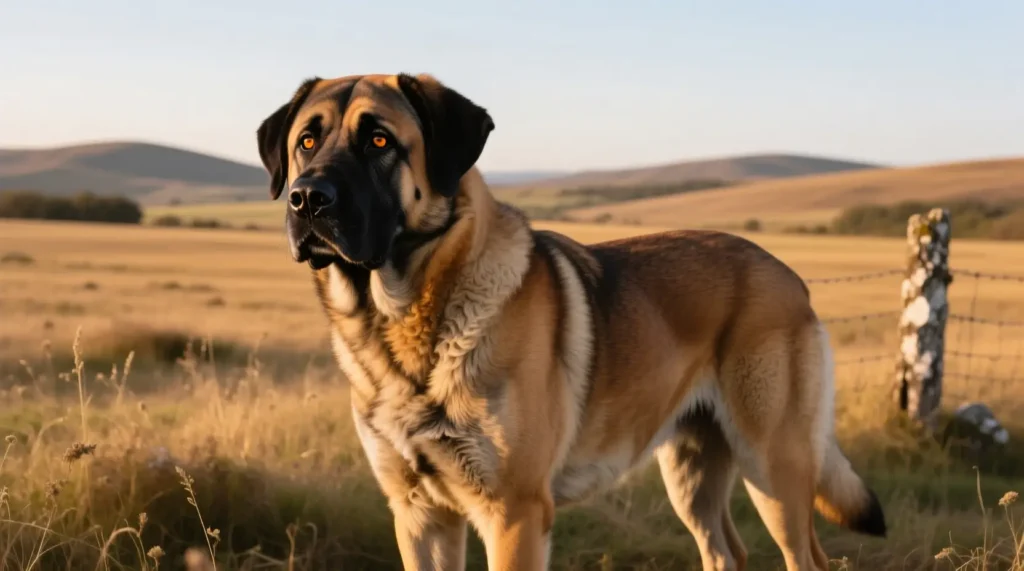
The Anatolian shepherd can be described as one of the oldest and most revered livestock guardian breeds all over the globe; it is a great dog with a great history that spans thousands of years. The Anatolian has been said to be a thinking guardian, the symbol of strength, instinct, independence, and unquestioning duty. Behind that mighty figure, there is a dog that history and land and custom and the deep purpose of a guardian have made.
The Anatolian Shepherd can be a rare or exotic breed to many individuals outside of Turkey. However, in the highlands and rugged areas where these dogs have developed, they are necessary work companions. Be it trailing through the rough wilderness, resting on its perch to survey its flock, or facing off with the enemy with a confident determination, the Anatolian Shepherd has proved itself to be one of the best guardian breeds of all time.
This blog explores the Anatolian Shepherd’s origins, temperament, health, training needs, daily living requirements, grooming, feeding, and what potential owners must know before bringing one home. Designed to be comprehensive and deeply detailed, it also includes question-based sections with answers starting in “yes/no” style as requested.
Ancient Origins of the Anatolian Shepherd
Thousands of years ago, nomadic herders moved across present-day Turkey with their cattle, goats, horses, and sheep. Their companions were huge and strong guardian dogs whose main object was to guard livestock against the wolves, bears, jackals, and human encroachments. These dogs were not pets; they were survival partners.
Archaeology, ancient literature, and genetic studies all indicate that the Anatolian Shepherd is the descendant of some of the oldest livestock guardian dog lineages in the world. Their ancestors likely included powerful mastiff-type dogs, sighthound influences, and local landrace shepherd guardians adapted to the Anatolian Plateau.
For centuries, these dogs were bred for:
- Independence
- Endurance
- Strength
- Protective instinct
- Weather resistance
- Loyalty to the flock
The Anatolian Shepherd as we know it today became more formally recognized in the 20th century, but the working dogs behind the breed existed long before written records.
By the 1950s, Anatolian Shepherds began making their way into the United States, initially used in research programs and later as working guardians on farms and ranches. Eventually, conservationists employed them to protect endangered cheetahs in Africa—a role that earned the breed international respect.
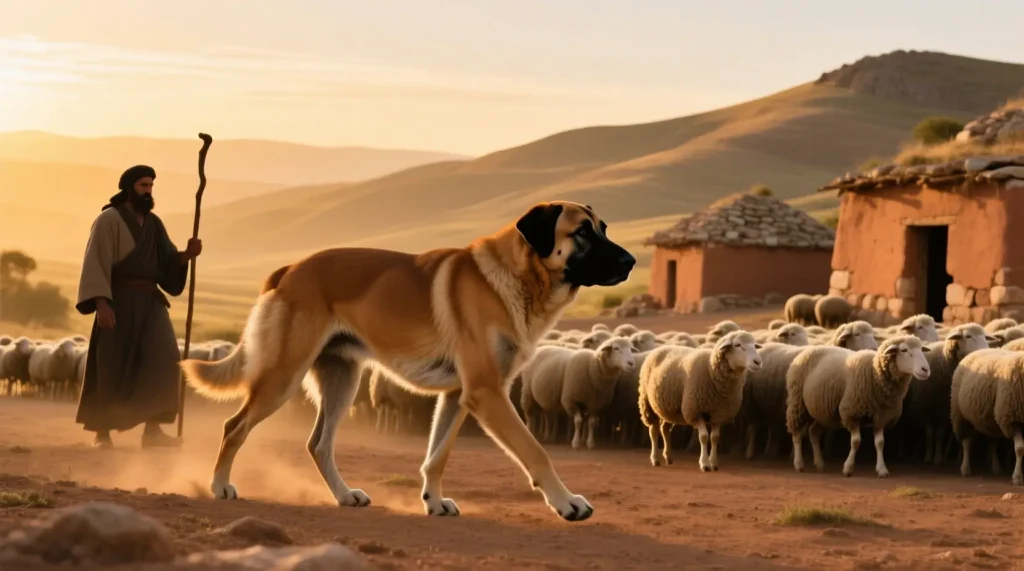
The Anatolian Shepherd’s Physical Presence
An Anatolian Shepherd is a dog you feel before you truly see. Their stance, eyes, and calm but powerful posture make them impossible to ignore.
Size and Build
- Males: 110–150 pounds; around 29 inches tall
- Females: 80–120 pounds; around 27 inches tall
Their bodies are muscular but not bulky—designed for long hours of patrolling and endurance rather than short bursts of brute strength.
The Coat
They have a thick, weather-resistant double coat meant to protect them from harsh cold, blazing sun, and rain. Coat length can vary from short to rougher medium length, and colors include:
- Fawn
- Cream
- Dun
- White
- Brindle
- Pied
- Sesame
- With or without a black mask
This coat is practical, not decorative—part of what allowed the breed to survive centuries of unpredictable climates.
Caring for an Anatolian Shepherd
To truly understand this breed, you must understand its purpose. The Anatolian Shepherd was shaped by a life of work, responsibility, and independent decision-making. In modern life, that heritage remains—and can be both rewarding and challenging for families who are not prepared for it.
Do Anatolian Shepherds Fit Into a Typical Suburban Home?
No, certainly not without serious modifications.
These are dogs that are naturally protective, protective and which are happiest when they do not have a role or job to play. While they can adapt to suburban life, it requires:
- Secure fencing
- Extensive socialization
- Training from an experienced owner
- Clear boundaries and routines
They are not “walk in the park” dogs. They observe, analyze, and make their own decisions—which is wonderful, but not for everyone.
Is the Anatolian Shepherd a High-Energy Breed?
No, neither hyper nor frantic—but by no means lazy.
Anatolians do not waste their energy on the trivial things: guarding, patrolling, and threat response. They do not need marathon races or agility courses, but they need:
- A large, secure yard
- Daily physical movement
- Mental stimulation
- The liberty to perceive the surrounding world
In other words, they must be allowed to breathe, not to disarray.
The Free Thinking of the Anatolian Shepherd
It is this same quality that allows the Anatolian Shepherd to be so useful in the role of livestock guard, and it is what makes them hard to be around for an inexperienced dog owner: their independence.
This is not a breed that constantly seeks direction. They were bred to make life-or-death decisions without waiting for human instruction. Their thought process goes something like this:
- Is there a threat?
- Should I investigate?
- If I act now, can I prevent danger?
This instinctive autonomy is part of their identity. They are loyal, dedicated, and capable—but not blindly obedient.
Does This Mean Anatolian Shepherds Are Stubborn?
Yes, in a way—but not mischievously or defiantly, some breeds can be.
They are intelligent, but they question commands they see as unnecessary. If a task has a point, they will do it. If not, they will make their own judgment call.
For families accustomed to Golden Retrievers or German Shepherds, this can be a surprise.
Health Issues in the Anatolian Shepherd
Although considered a generally healthy and hardy breed, Anatolian Shepherds are large, deep-chested dogs, and certain conditions occur more often in this breed.
Below is an extensive look at the health issues they may face.
1. Growth and Joint Disorders
Hip Dysplasia
This condition occurs when the hip joint does not form properly, eventually causing arthritis, pain, and limited mobility. Genetics play a role, but weight management and proper nutrition during puppyhood are critical.
Elbow Dysplasia
Similar to hip dysplasia but affecting the elbow joint. Can range from mild discomfort to severe lameness.
Prevention Tips
- Feed appropriate large-breed puppy food
- Avoid over-exercise in early growth
- Maintain a healthy weight
- Use joint supplements (with vet approval)
- Purchase from OFA-certified breeders
2. Entropion
Entropion occurs when the eyelid folds inward, allowing eyelashes to rub against the cornea. This condition causes:
- Redness
- Tearing
- Squinting
- Eye irritation
Surgery is often required, and reputable breeders screen for this disorder.
3. Sensitivity to Anesthesia
Is the Anatolian Shepherd Sensitive to Anesthesia?
Yes, more than many breeds.
This does not mean anesthesia is unsafe—only that veterinarians must monitor dosage carefully and allow a longer recovery period.
Owners should always inform their vet about this breed-specific sensitivity before procedures.
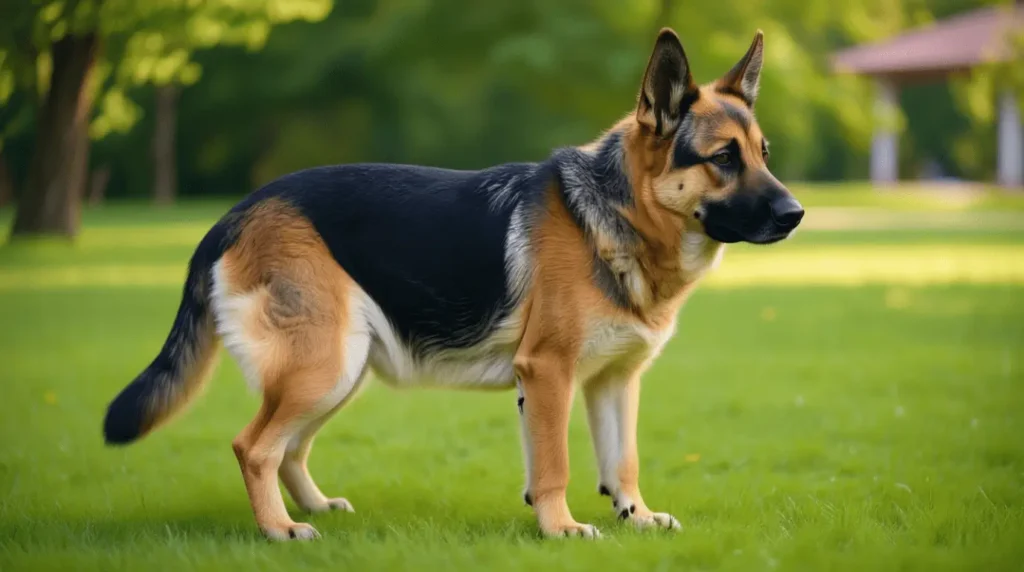
4. Gastric Dilatation and Volvulus (GDV)
GDV—also known as bloat—is the most dangerous condition affecting large, deep-chested dogs. It begins when the stomach fills with food or gas in a way that prevents normal emptying. If the stomach twists, the situation immediately becomes life-threatening.
Signs of GDV
- Distended abdomen
- Unsuccessful retching
- Excess drooling
- Restlessness
- Abdominal pain
- Rapid collapse
Immediate veterinary care is essential.
Prevention
- Feed 2–3 smaller meals/day
- Avoid exercise before and after meals
- Do not use elevated food bowls
- Consider preventive gastropexy surgery
Feeding the Anatolian Shepherd
Their dietary needs depend on age, activity level, working status, and health. A high-quality dog food designed for large or giant breeds is recommended.
What to Feed an Anatolian Shepherd?
Focus on foods containing:
- High-quality proteins
- Healthy fats
- Normalized calcium phosphorus ratios
- Joint-support nutrients
- Wholesome or quality substitutes
Homemade diets or raw diets ought to be provided under veterinary advice, as excess or lack of calcium can pose harm in the growth stage.
What to Feed an Anatolian Shepherd?
No single answer fits them all, although usually the guidelines are of the type:
- Adults: 4-7 cups/day (divided meals) based on weight and activity.
- Puppies: 3–4 meals
- Active working dogs: can have a very high need.
As recommended by the veterinarian, check the condition of the body instead of just looking at the bag tag.
Training the Anatolian Shepherd
Is the Anatolian Shepherd Easy to Train?
No, not in the traditional obedience sense.
But this does not mean they are untrainable—far from it.
They learn quickly when:
- They understand the purpose
- The training is consistent
- The handler is self-assured and relaxed
- Positive reinforcement is applied
Authoritative approaches or severe corrections are counterproductive to this breed.
What They Respond Best To
- Clear boundaries
- Respectful guidance
- Routine
- Early socialization
- Real-life exposure (animals, farms, neighbors, guests)
An ill-socialized Anatolian may grow too possessive, sensitive, or even vicious—early maturation is the answer.
Fun and Engaging Activities for the Anatolian Shepherd
They are not a high-energy sporting breed, but they benefit from purposeful movement. Some activities they enjoy include:
- Farm work
- Perimeter patrol
- Walking and hiking
- Swimming
- Scent games
- Observing their surroundings
They do not crave endless playtime, but they do crave meaning.
Grooming Guide for the Anatolian Shepherd
Their coat may look simple, but it possesses a surprising amount of undercoat, especially during shedding season.
Coat Care
- Weekly brushing for most of the year
- Daily brushing during shedding seasons
- Occasional baths
- Undercoat rake for heavy shedding
- Check for mats behind legs, chest, and neck
Eye Care
Monitor for:
- Redness
- Tearing
- Squinting
- Discharge
Seek veterinary attention for signs of entropion or irritation.
Ear Care
Because they have drop ears, moisture can become trapped. Clean ears:
- Every 2–3 weeks
- After swimming
- After baths
Use only vet-approved cleansers.
Anatolian Shepherd as a Family Pet
Being a proud owner of an Anatolian Shepherd gives me a privilege as well as a responsibility. Their intelligence and protective nature make them extraordinary companions—but they must be placed in the right environment.
Are Anatolian Shepherds Good for First-Time Dog Owners?
No, they cannot suit very inexperienced owners.
Their high spirit, protective nature, and thinking capability demand a person who is not afraid and knows the guardian breeds.
Are They Good Family Dogs?
Yes, when you grow up with the right socialization and restrictions.
They are faithful, tender, and very affectionate, but because they are big, they fit in a family that has older children than those who have toddlers.
Do They Get Along With Other Pets?
Yes, but having been properly introduced and socialized at a tender age.
A shepherd brought up among stock or other domestic animals will also develop close attachment to them and will instinctively act as a protector.
Potential Owner consideration
Before bringing an Anatolian Shepherd home, ask yourself:
- Do you have a large, secure yard?
- Would you take time to train and socialize?
- Are you able to manage a dog that can be disobedient?
- Do you understand guardian breed instincts?
- Will you provide firm, calm leadership—not harsh discipline?
- Are you prepared for heavy seasonal shedding?
- Can you care for a giant breed’s health needs?
If the answer to these questions is yes, the Anatolian Shepherd may be the perfect companion.
Anatolian Shepherd FAQs
Do Anatolian Shepherds bark a lot?
Yes. Barking is one of their natural defensive tools.
Are Kangal dogs and Anatolian Shepherds the same?
No. They have common ancestry but are distinct breeds that are different in size, the length of their coats, and temperament.
Anatolian Shepherds are how large in size?
Males weigh 110-150 lbs; females weigh 80-120 lbs.
Concluding thoughts: The Everlasting Guardian
It is not just a dog but an heirloom of the Anatolian Shepherd. Living historical art, shaped to the requirements of shepherds, the threats of predators, and the conditions of some of the harshest environments in the world.
They are:
- Loyal
- Intelligent
- Protective
- Independent
- Courageous
- Steady
The Anatolian Shepherd is not the breed that will suit everybody, but it is the breed that one can only wish to be able to share life with, in the case one realizes the purpose they are meant to serve and respects the fact that these are working dogs.
To the right family, i.e., one with space, patience, and respect for the independence of the breed, the Anatolian Shepherd is an extremely loyal companion. They are affectionate, protective, and have a dignified feudal quality that few present breeds can possess.
If you choose to welcome an Anatolian Shepherd into your home, you are not simply getting a dog. You are embracing a legacy. A guardian. A piece of ancient history walking beside you.